
When we publish a scientific research article, we post a summary of the article below. Each of the articles has been reviewed by other researchers. You can view the full published articles by clicking on the link for each article. Most scientific journals charge for viewing articles, but we’ve also linked to pre-prints (unformatted versions of the published articles), or you can contact us, and we can provide you with a version.
We are committed to using affirming language that reflects the wishes of the disability community. We acknowledge that language is constantly evolving and are committed to being part of that conversation. Currently, we are following the suggestions outlined by Bottma-Beutel and colleagues (2021) for avoiding ableist language and the guidance of our research advisory board. Older articles may use uncomfortable language for some readers–even articles that seem relatively recent, as they may have been written years before publication. We apologize for any distress this causes.
Theorizing the Role of Sex Educators in the Resistance and Reification of Epistemic Injustices Related to the Sexual Expression of People with Intellectual Disability
Curtiss, S. L., & Stoffers, M. (2025). Theorizing the role of sex educators in the resistance and reification of epistemic injustices related to the sexual expression of people with intellectual disability. Archives of Sexual Behavior, 54(2), 605-621. https://link.springer.com/content/pdf/10.1007/s10508-024-03039-5.pdf


![Emphasizing Risk
Taylor, a public health-based educator with two years of experience explains the issue:
Our state coalition against sexual assault developed a curriculum that’s supposed to be for folks with [intellectual disability]. I had particular issues with it…It definitely wasn’t coming from a person-centered space of recognizing that all folks have wants and needs and desires and we should be respecting those. It very much came from a little patronizing space. And also it felt very limiting in recognizing the full sexual nature of people. I think it was so focused on, like, if a caregiver is abusing you, here are things that you can do instead of also focusing on like, here is how you practice healthy relationships in your life and assert your boundaries.](https://autismincontext.org/wp-content/uploads/2026/08/26.png?w=750)


![Natalie links desexualizing sex education to desexualizing through sex education as she was brought in to provide instruction only when a person had inappropriate sexual behavior, as shown in this statement:
Desexualizing (Through) Sex Education
“And the reason [the employment program] reached out to me is that many people were losing their jobs. Not because they couldn’t do the actual job, but because they were asking coworkers out or hugging someone they weren’t supposed [to], those sorts of healthy work boundaries.”
Natalie was asked to teach “sex” education for the specific purpose of using education to teach “healthy” sexual boundaries, such that there were no realistic avenues for sexual expression—conscripting the person to asexuality.](https://autismincontext.org/wp-content/uploads/2026/08/29.png?w=750)


Understanding Appropriate and Applicable Sex Education Instruction for Students with Intellectual Disabilities
Stoffers, M. & Curtiss, S.L. (2024). Understanding appropriate and applicable sex education instruction for students with intellectual disabilities. Remedial and Special Education, Online First. https://doi.org/10.1177/07419325241261055 |
A preprint of the whole article free and a summarized version is below


![While educators had varying viewpoints about whether a student’s impairment influenced lesson content, all agreed that it was important to consider the individualized needs of the student when designing instruction. Deciding How to Individualize These instructional design decisions were sometimes made in advance based on what the educator knew about the students, “If they’re a better visual learner, then I’ll bring more visual materials. If they’re better audio learners, I’ll bring a video, to make sure that there’s the audio component.” (Quinn, two years of experience). However, at times, educators individualized instruction in the moment, based on student understanding and reaction to the content. “{Gender identity] is something that doesn't really play by the rules, and so it doesn't feel right to boil it down so much, but at the same time you kind of have to, or some students aren't going to get anything from it.” (Maria, one year of experience)](https://autismincontext.org/wp-content/uploads/2026/07/12-2.png?w=750)
![Deciding How to Individualize Individualization for understanding was not the only example of accommodation. For instance, with eight years of experience, Chris discussed how he worked with a student with cerebral palsy to help the student masturbate more successfully: “So I taught him basically to find the parts of his hands that felt good, or soft - because a lot of parts of his hands were calloused… So he had homework where he explored on his own to find which part of the hands to use, came back to session, and then we did that [modeling masturbation] with the model dong [sic].”](https://autismincontext.org/wp-content/uploads/2026/07/13-2.png?w=750)


![Applicability to Real Life Educators had different strategies for selecting content they believed would be applicable to the lives of their students. For some, educational content was designed in consideration of what the educator believed the student needed With 10 years of experience, Rachel, described targeting the topic of relationships because she believed her students needed support in this area: People who have maybe PCAs [personal care assistants] or a para or a direct support person. They think, oh these are best friends. So we really talk about, “What’s a professional relationship, a friendship? What does it mean to have a romantic partner?” Your romantic partner has to know they are your romantic partner. We get a lot of, "Taylor Swift is my girlfriend." I'm like, "Oh, she's not."](https://autismincontext.org/wp-content/uploads/2026/07/20-2.png?w=750)


![Strategies and Challenges of Assessment
Other educators utilize quizzes or exams to assess student learning. For example, Jeanne described her final exam:
“It was the steps of putting on a condom. And I blew it up and they had to put them in order.”
Other educators formally assessed student learning through practical means, such as by connecting with students via social media to assess internet safety, like Chris:
“I’m going to go online. I’m going to act like Selina Kyle from Catwoman and I’m going to flirt with Bobby Joe over here. And when I flirt with Bobby Joe, I’m going to see if I can get him to give me his PPI [private, personal information] within three exchanges.”](https://autismincontext.org/wp-content/uploads/2026/07/45-2.png?w=750)


![Strategies and Challenges of Assessment
Educators recognized increased student knowledge may not lead to behavioral changes. Additionally, some educators questioned whether it was appropriate to utilize traditional means of assessment within the sex education field. Chloe, an educator with 15 years of experience, expressed this concern:
“You could measure it like vagina means A, B or C. It's social emotional stuff. I can measure how many DRs [direct referrals] a kid gets. I can measure that they have gone out to lunch with their friends, but I don't know how to measure sexuality. How would anybody do that? I sure as hell don't want anybody putting any measure up to me on that.”](https://autismincontext.org/wp-content/uploads/2026/07/49-2.png?w=750)

Sex Education Incorporating High-leverage Practices for Students with Autism and Developmental Disabilities
Curtiss, S.L. & Stoffers, M. (2026). High leverage practices and sex education for students with disabilities. Intervention in School and Clinic, 61(5), 226-237. https://doi.org/10.1177/10534512261421510
A preprint of the whole article is free, and the summary is below.


![Students with developmental disabilities and/or autism recieve less sex education Despite calls for inclusive sex education for students with disabilities (Sexuality Information and Education Council of the United States [SIECUS], 2021), students with autism and developmental disabilities have less access to sex education than peers with other disability diagnoses and peers without disabilities When they do have it, it is less likely to be thorough, leading to less knowledge about sex and sexuality (Strnadová et al., 2022) Yet, people with autism and developmental disabilities report the same levels of interest and desire to understand sexual relationships as those without disabilities.](https://autismincontext.org/wp-content/uploads/2026/07/3.png?w=750)


![The goal for adapted sex education is for it to be introduced proactively in an IEP meeting, but still can be used reactively when a student's needs aren’t met. Accommodations, Modifications & Support Specialized curriculum Extra time to complete assignments Check for understanding Visual and verbal prompting Chunking of tasks Flexible seating as needed Use of noise-canceling headphones Self-reflection time- check in/check out Redirection to task Service Type of Delivery Frequency Duration Setting Counseling Services Small Group 1 Time per school week 30 minutes per session Special Education Setting Counseling: Social Skills Domain Sex Education Present Levels of Educational Performance (PLEP) Currently, when presented with a standard sex education curriculum delivered by a public health educator, [child] is able to identify 1 out of 10 changes associated with puberty in 3 out of 4 trials. Counseling: Social Skills Domain Sex Education Present Annual Goal When provided with adapted 5th-grade puberty education, [child] is able to identify 8 out of 10 changes associated with puberty in 3 out of 4 trials for three consecutive sessions.](https://autismincontext.org/wp-content/uploads/2026/07/56.png?w=750)


![Note that this approach is aligned with the high leverage practice domain of intensifying and intervening as needed, as it reinforces the importance of a full continuum of instructional supports (Hayes, et al., 2024). Accommodations, Modifications & Support Explicit instruction on boundaries and bodily autonomy Explicit instruction on privacy including private, public, and semi-public body parts, spaces, thoughts, and activities Communication system for requesting sensory input Communication system for initiating conversations Visual schedule of sensory diet Practice inhibiting touch through play Video self-modeling AAC Device Service Type of Delivery Frequency Duration Setting Counseling Services Individual 1 Time per school week 30 minutes per session Special Education Setting Behavioral: Present Levels of Educational Performance (PLEP) While engaged in whole-class instructional activities or individualized instruction, before [child] uses physical initiation, [child] currently uses pro-social communication strategies taught and modeled in 4 out of 10 trials as measured by weekly data sheets. Behavioral: Annual Goal While engaged in whole-class instructional activities or individualized instruction, with two to three prompts, [child] will utilize the pro-social communication strategies (defined above as target replacement behavior) taught and modeled in 8 out of 10 trials with 75% accuracy for three consecutive sessions.](https://autismincontext.org/wp-content/uploads/2026/07/59.png?w=750)


![Notably, while this can be applicable to refusal of sexual encounters, the measurement of the skill of refusal was limited to non-sexual, naturalistic opportunities that would exist in the classroom. Accommodations, Modifications & Support Explicit instruction on boundaries and bodily autonomy Explicit instruction on consent Communication system for refusing, which includes multiple strategies Practice refusing touch through role-playing Video self-modeling Authentic opportunities to refuse Service Type of Delivery Frequency Duration Setting Counseling Services Individual 4 Times per school week 15 minutes per session Counselors’ Office Communication: Present Levels of Educational Performance (PLEP) When given opportunities to refuse tasks or activities, [child] currently indicates refusal appropriately using 2 out of 10 trials. Communication: Annual Goal When given opportunities to refuse tasks or activities, [child] appropriately indicates refusal using one of three specifically taught strategies 9 out of 10 trials for three consecutive sessions.](https://autismincontext.org/wp-content/uploads/2026/07/62.png?w=750)

Elevatus Footprints Friendship & Dating Program Sexuality education curriculum designed for people with developmental disabilities. Offers resources for self-advocates, professionals, and families. Evidence-based curriculum designed for individuals with intellectual and developmental disabilities to support healthy relationship building and violence prevention. Workbook designed for individuals with developmental disabilities who exhibit problematic sexual behaviors to develop healthy behaviors and relationships. 


Planned Parenthood of Delaware Video series of sex education topics offered in American Sign Language. Sexual Health Equity for Individuals with Intellectual and Developmental Disabilities (SHEIDD) Sexual Health Equity for Individuals with Intellectual and Developmental Disabilities (SHEIDD) List of sexual health resources to support individuals with intellectual and developmental disability to understand their rights, self-expression, and how to form healthy relationships. 
Additional Resources – Videos & Online Resources Not Adapted for Individuals with Disabilities Advocates for Youth Provides a variety of educational materials, tools, and resources to support youth activists, professionals, and parents in advancing sexual and reproductive health rights. Amaze Offers age-appropriate animated videos for children and pre-teens to learn about puberty, sexual health, and relationships. National Coalition on Sexual Health Promotes sexual health through provision of resources, information, and tools to educate the public and healthcare providers about sexual health. Teach Consent Offers resources for parents and educators to use to support the understanding and importance of consent among adolescents.
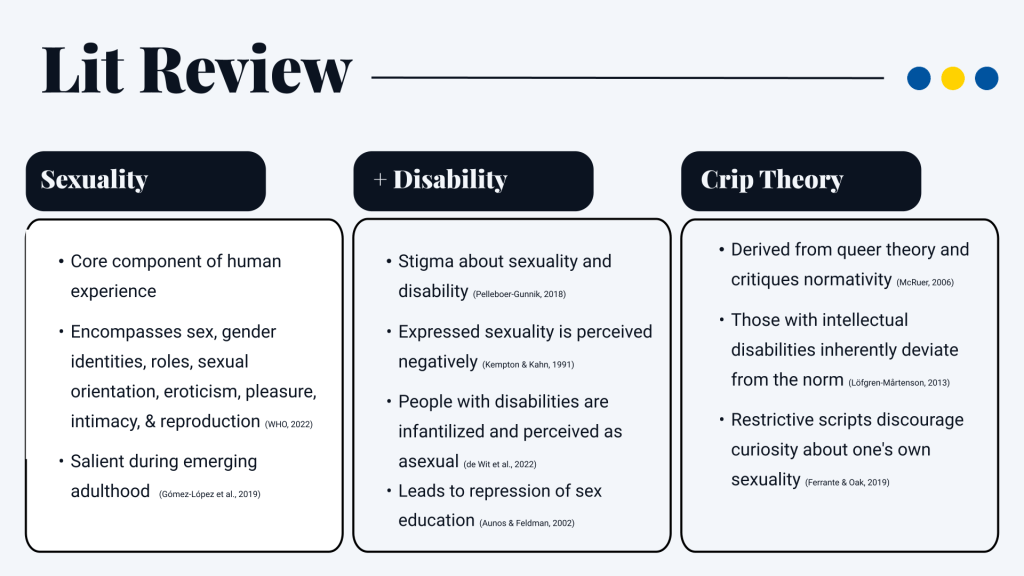
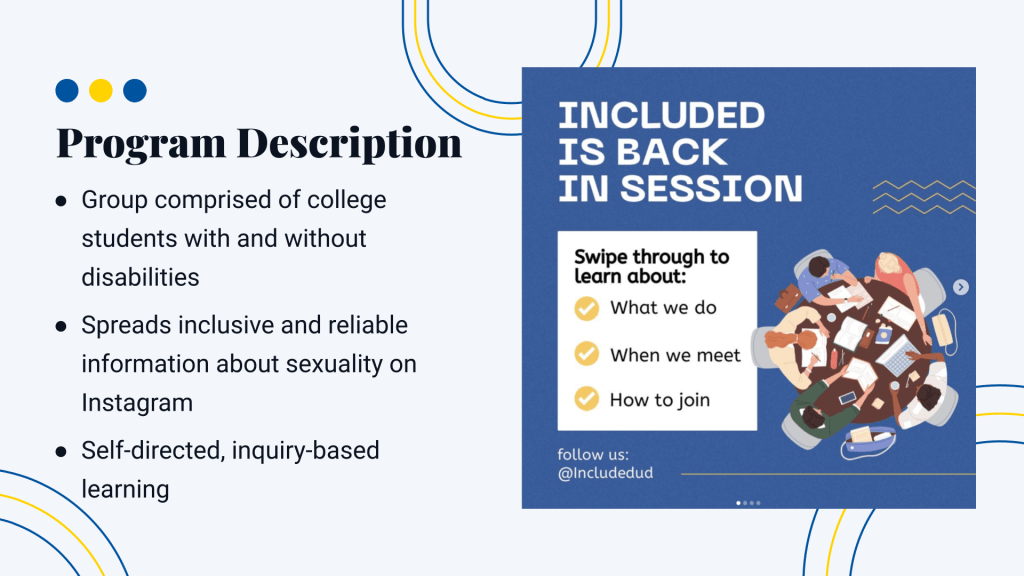
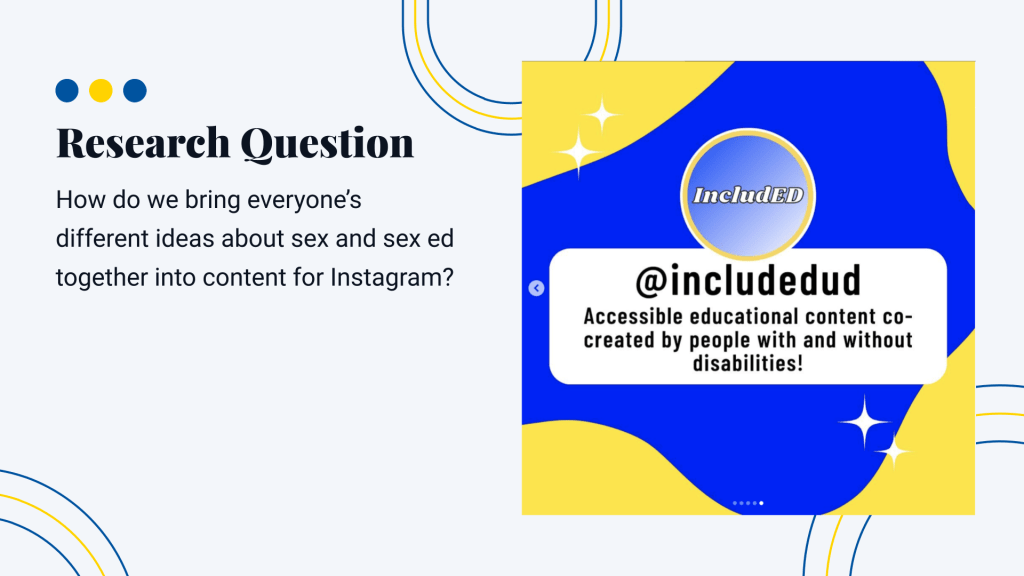
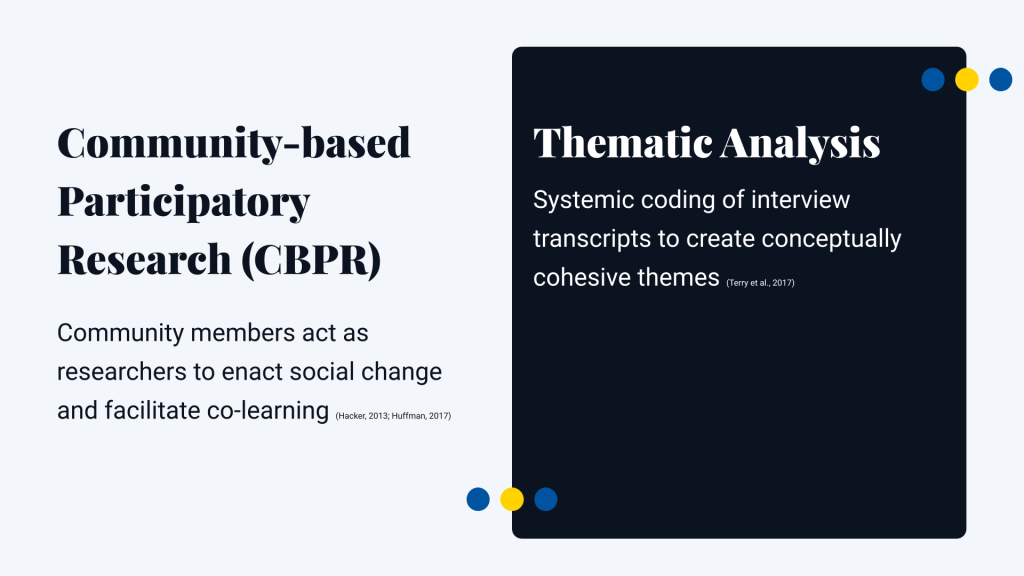
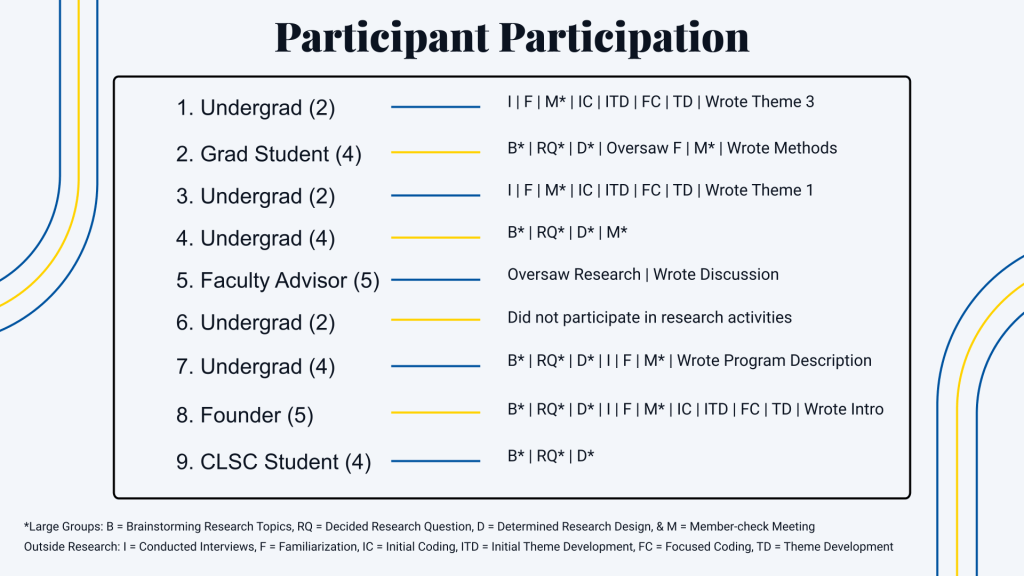
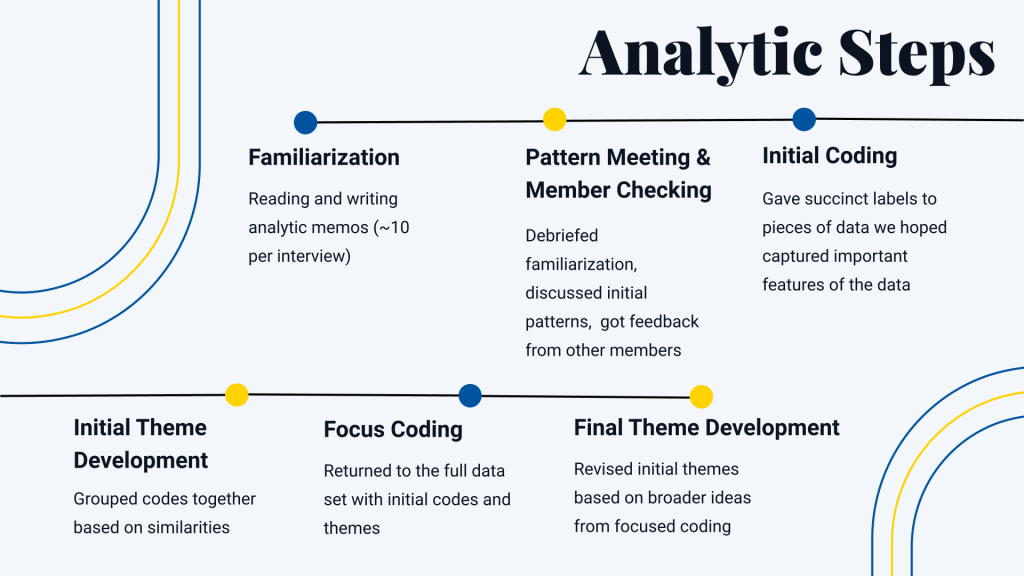
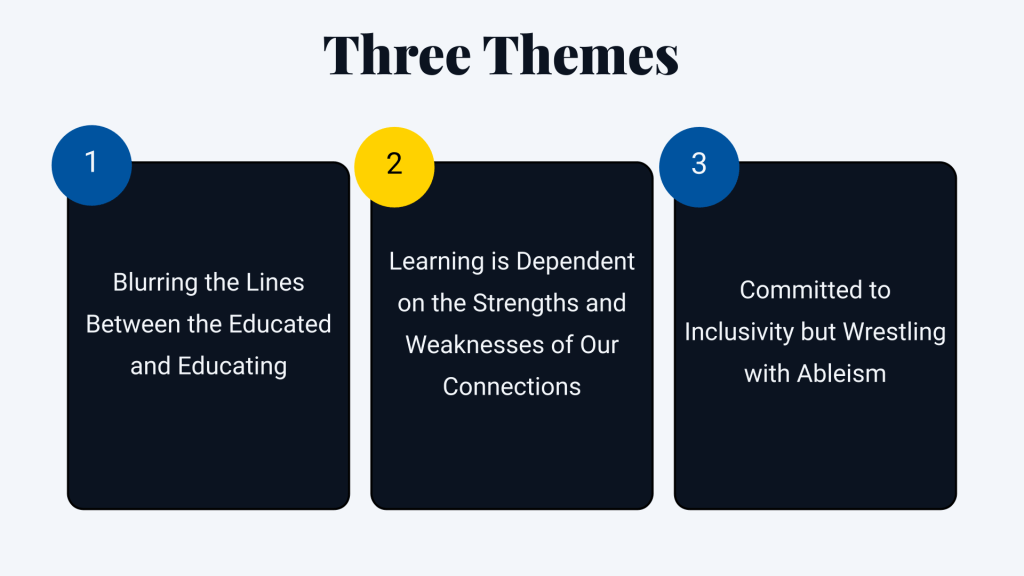
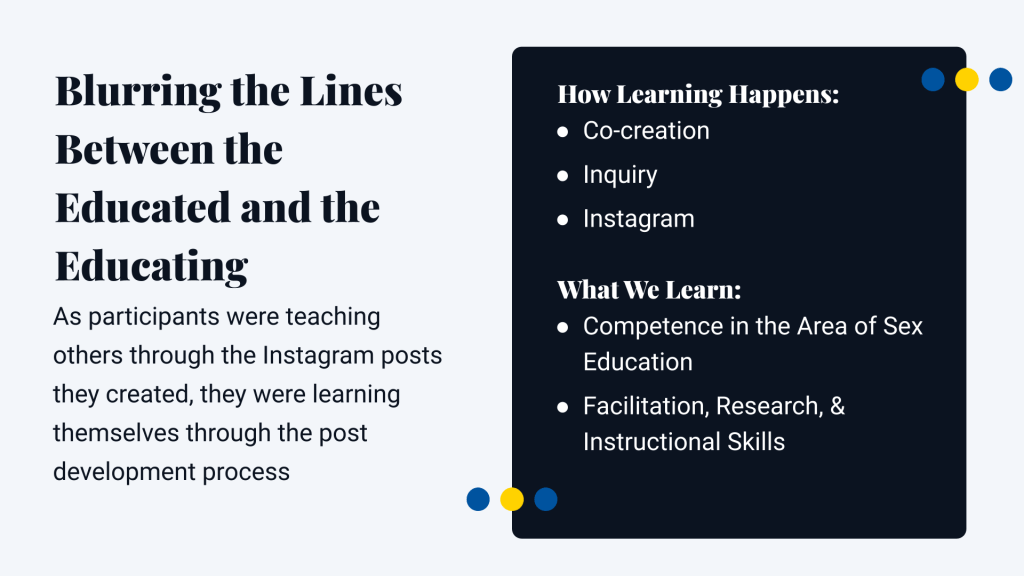
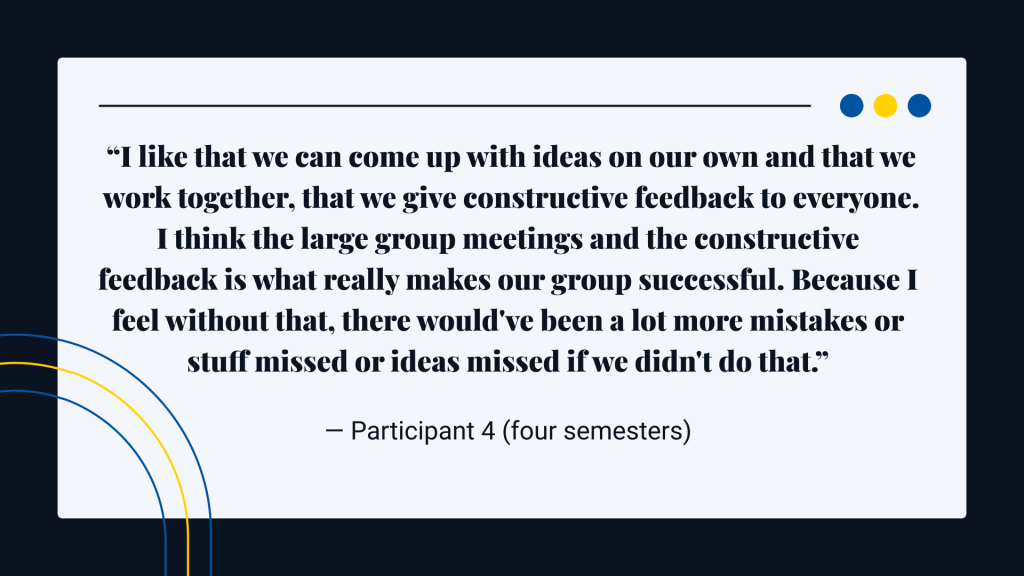
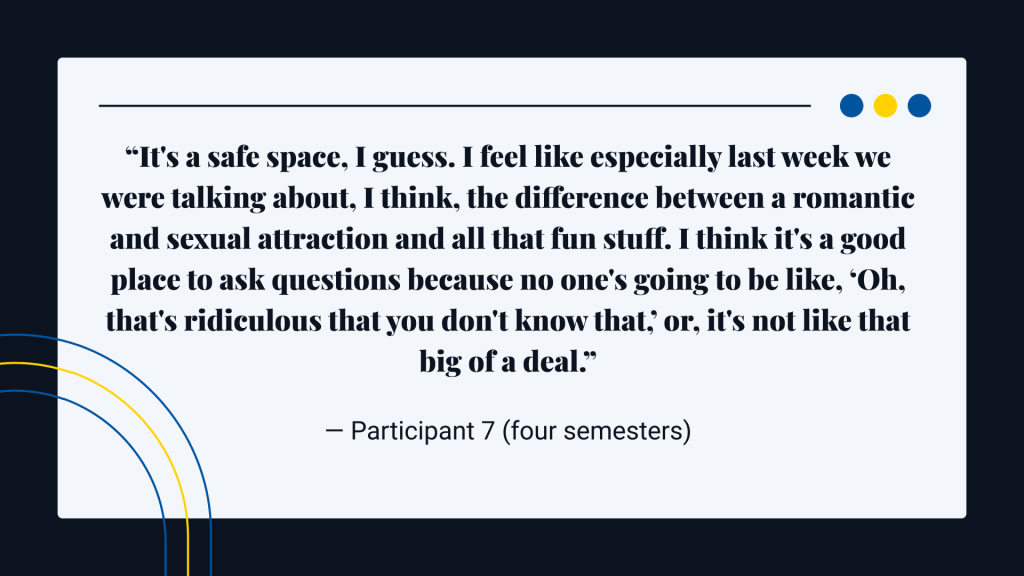
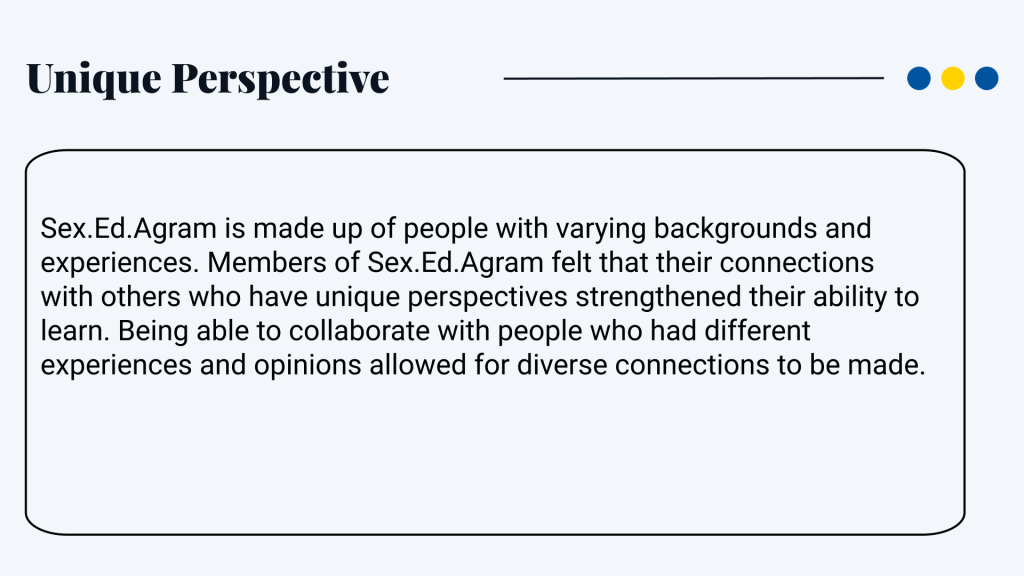
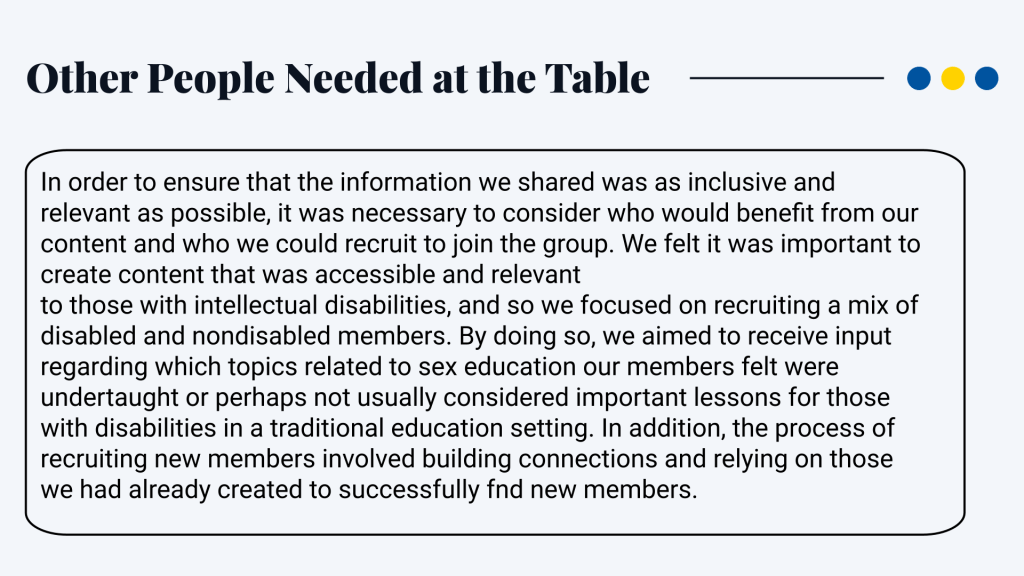
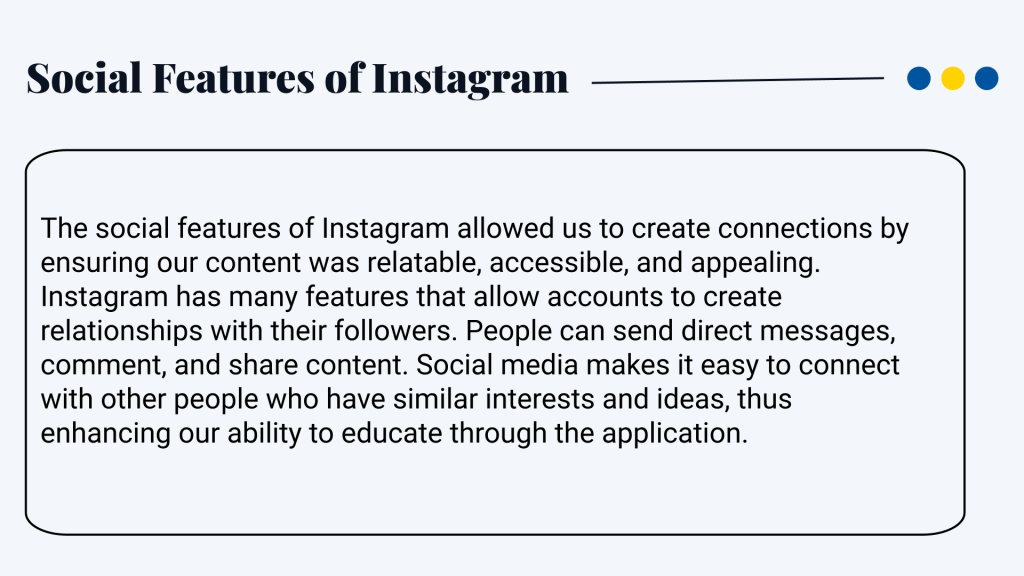
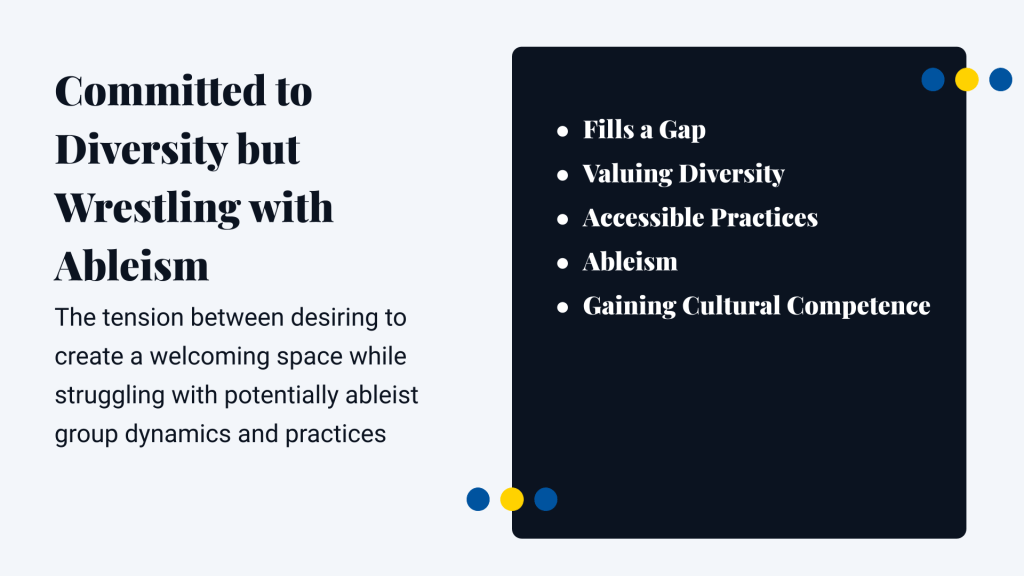
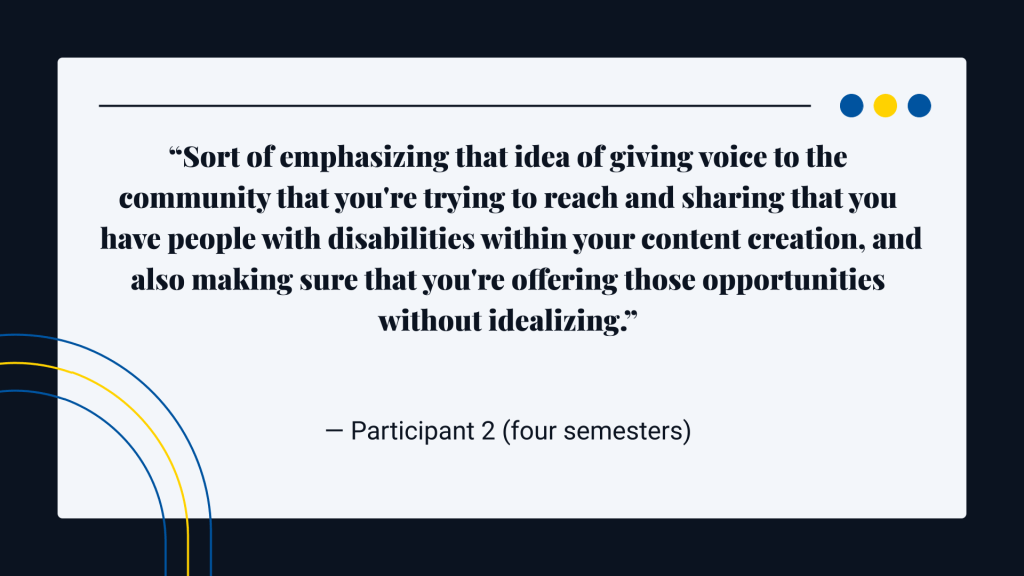
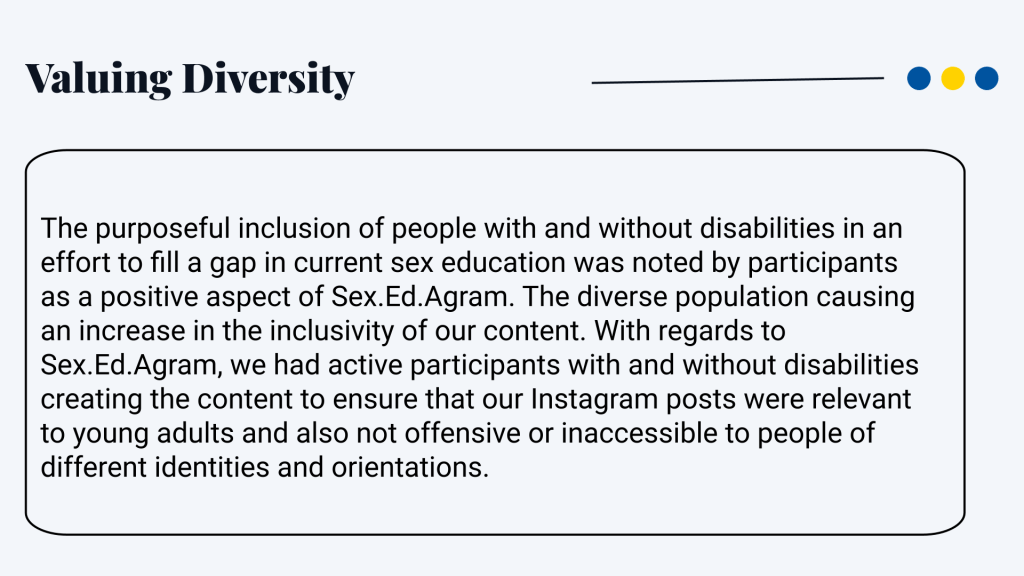
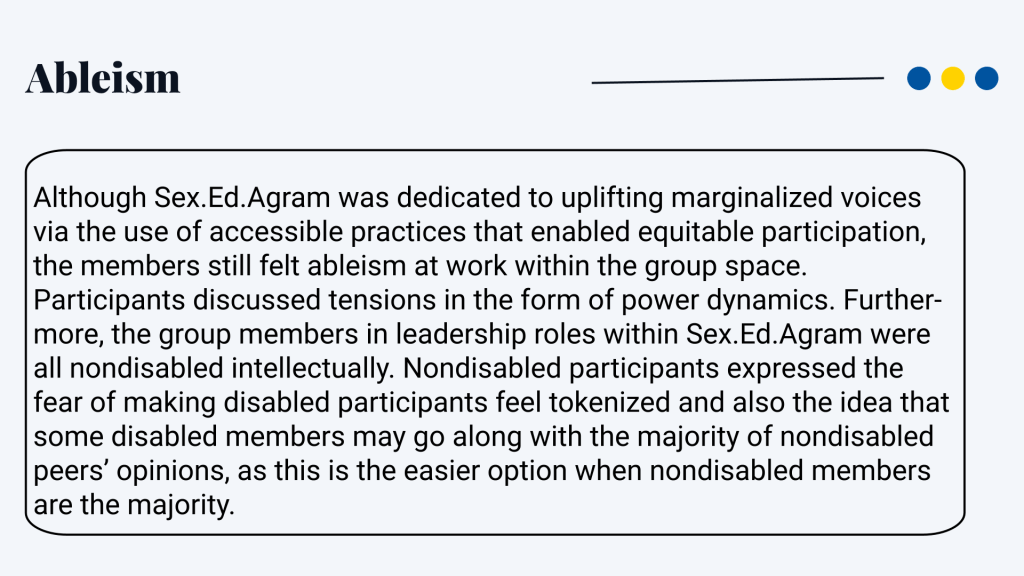
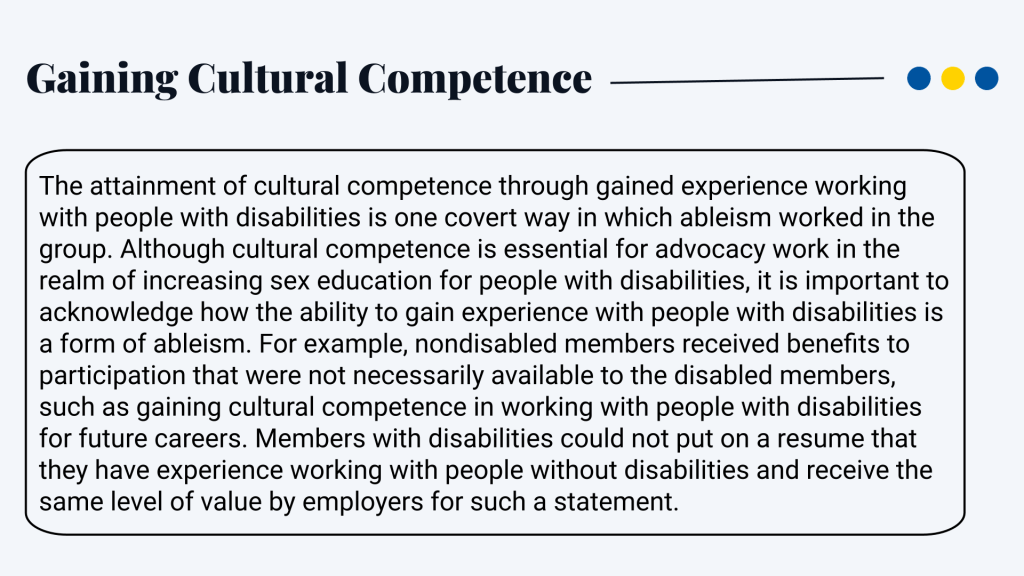
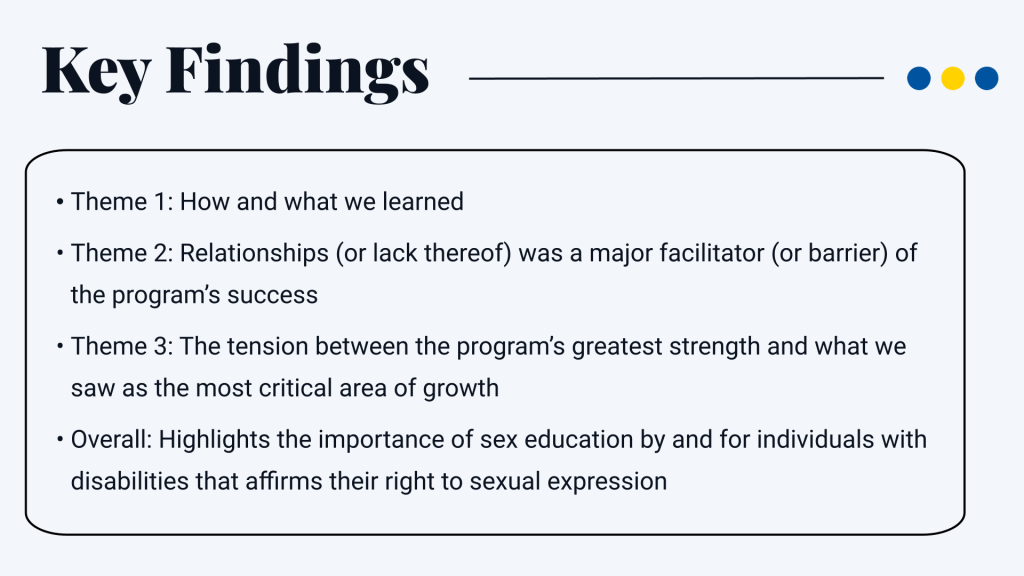
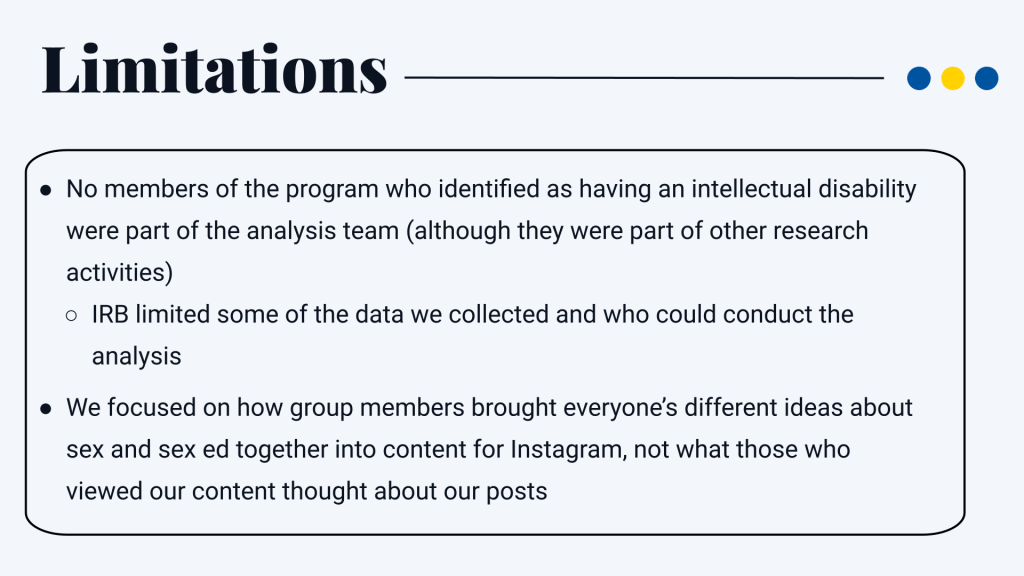
Sex.Ed.Agram: Co-created Inclusive Sex Education on Instagram
Curtiss, S.L., Myers, K., D’Avella, M., Garner, S., Kelly, C., Stoffers, M., & Durante, S. (2023). Sex.Ed.Agram: Co-created inclusive sex education on Instagram. Sexuality and Disability, Online first, https://doi.org/10.1007/s11195-023-09794-y
A preprint of the whole article is free, and the summary is below.

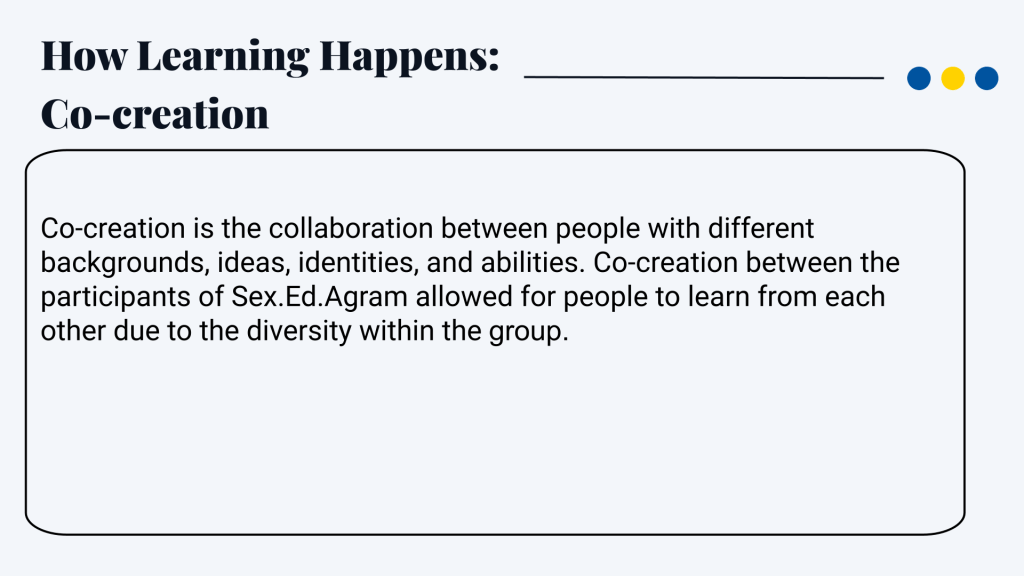
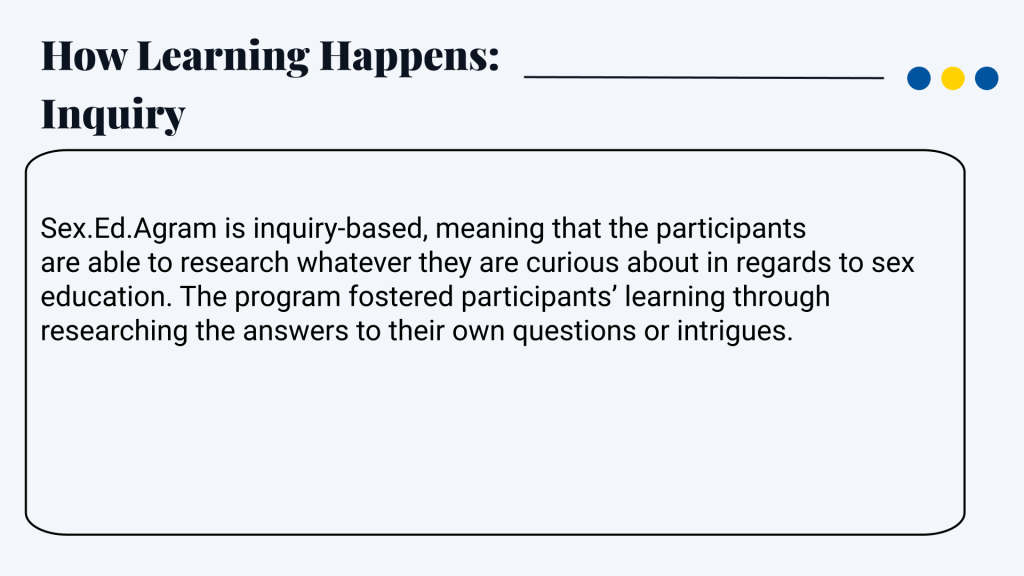
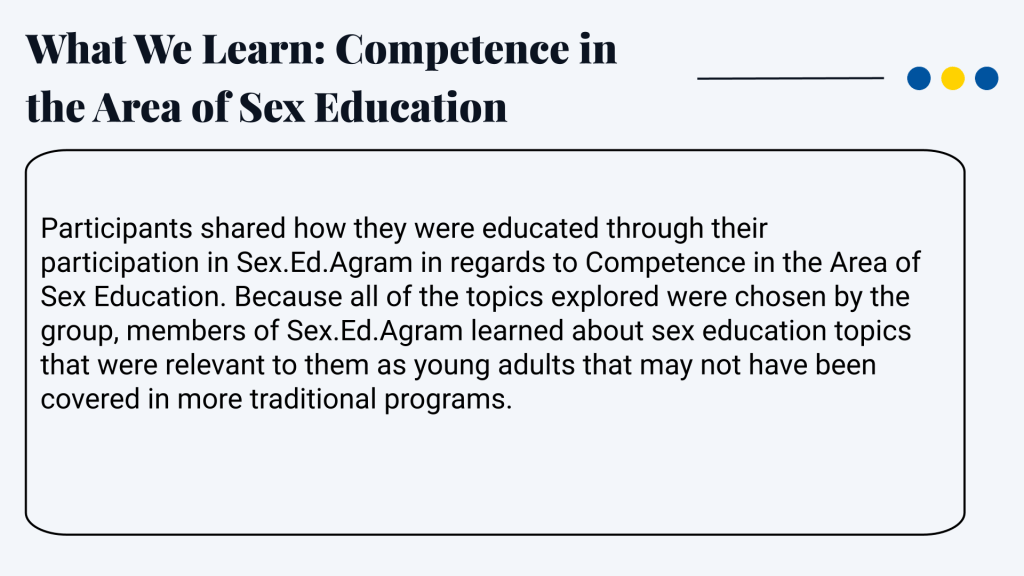
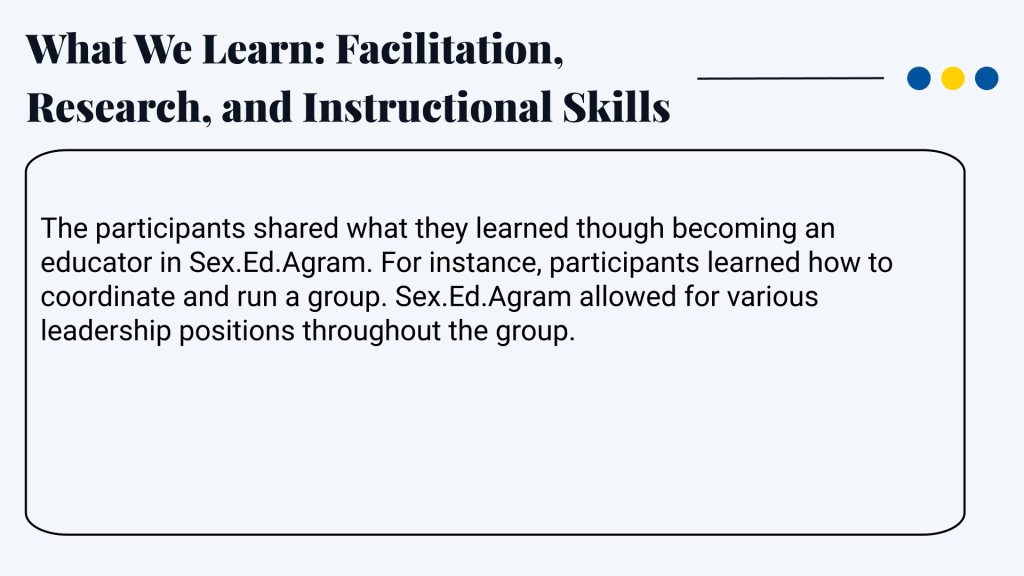





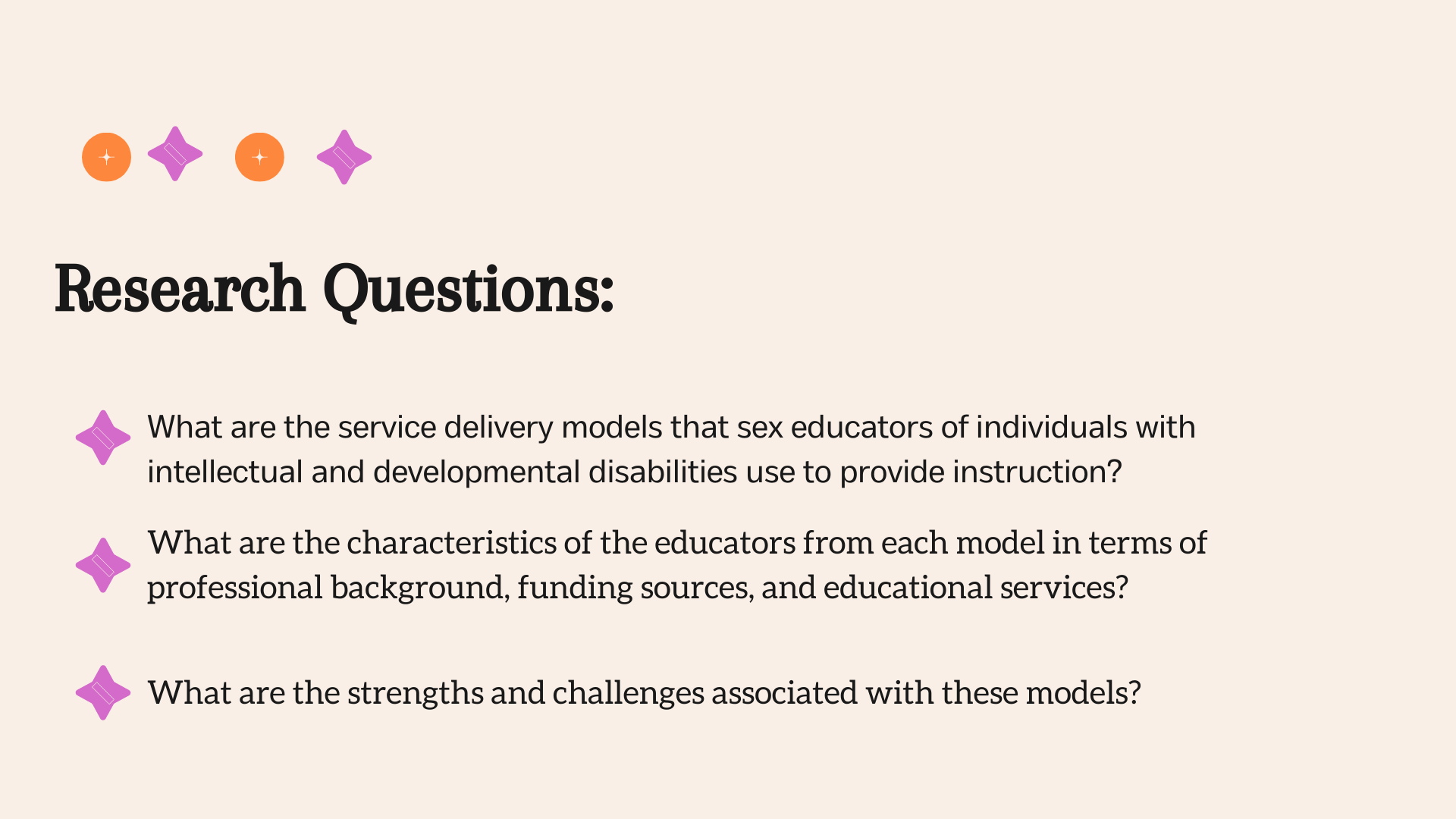
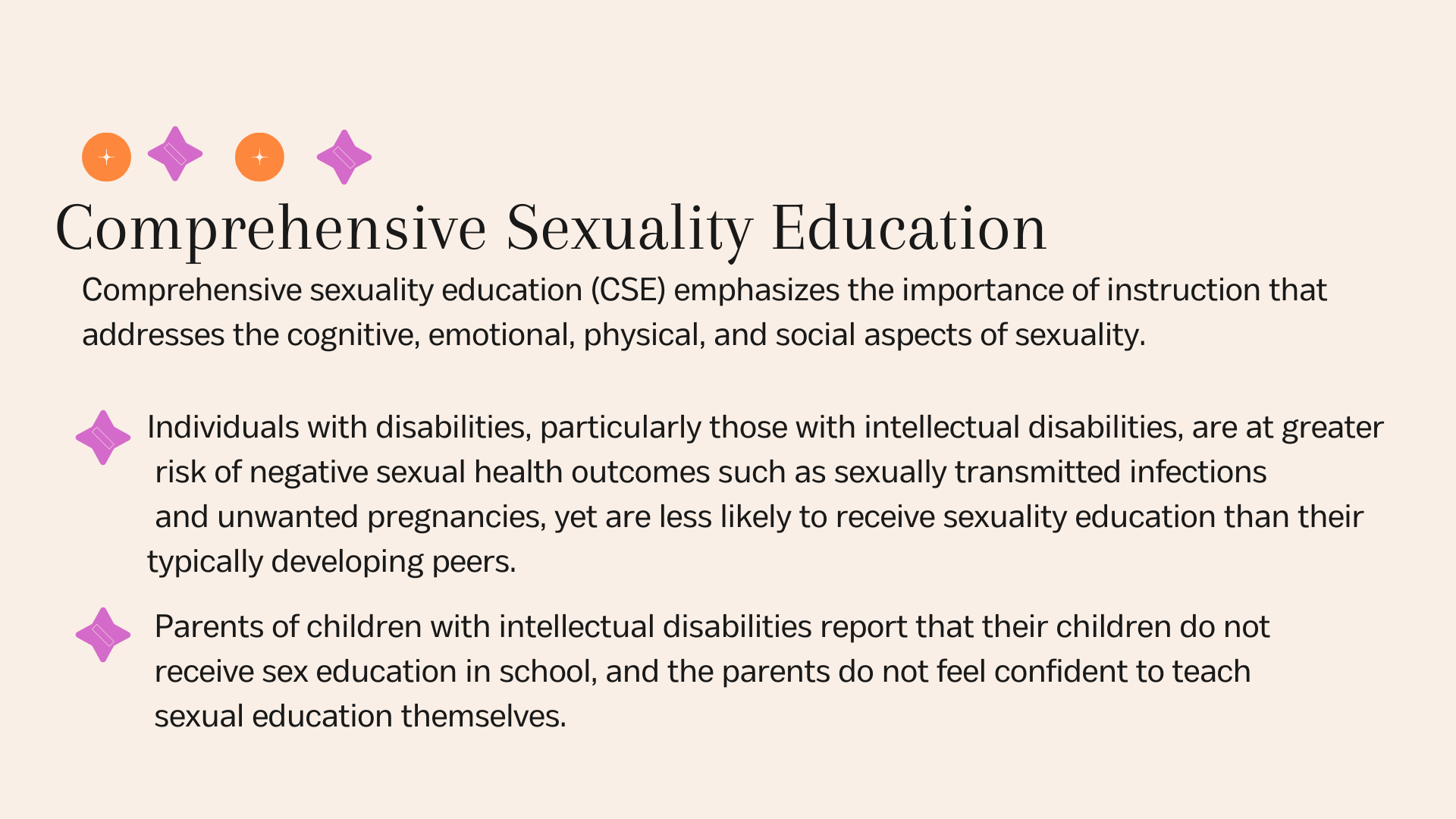
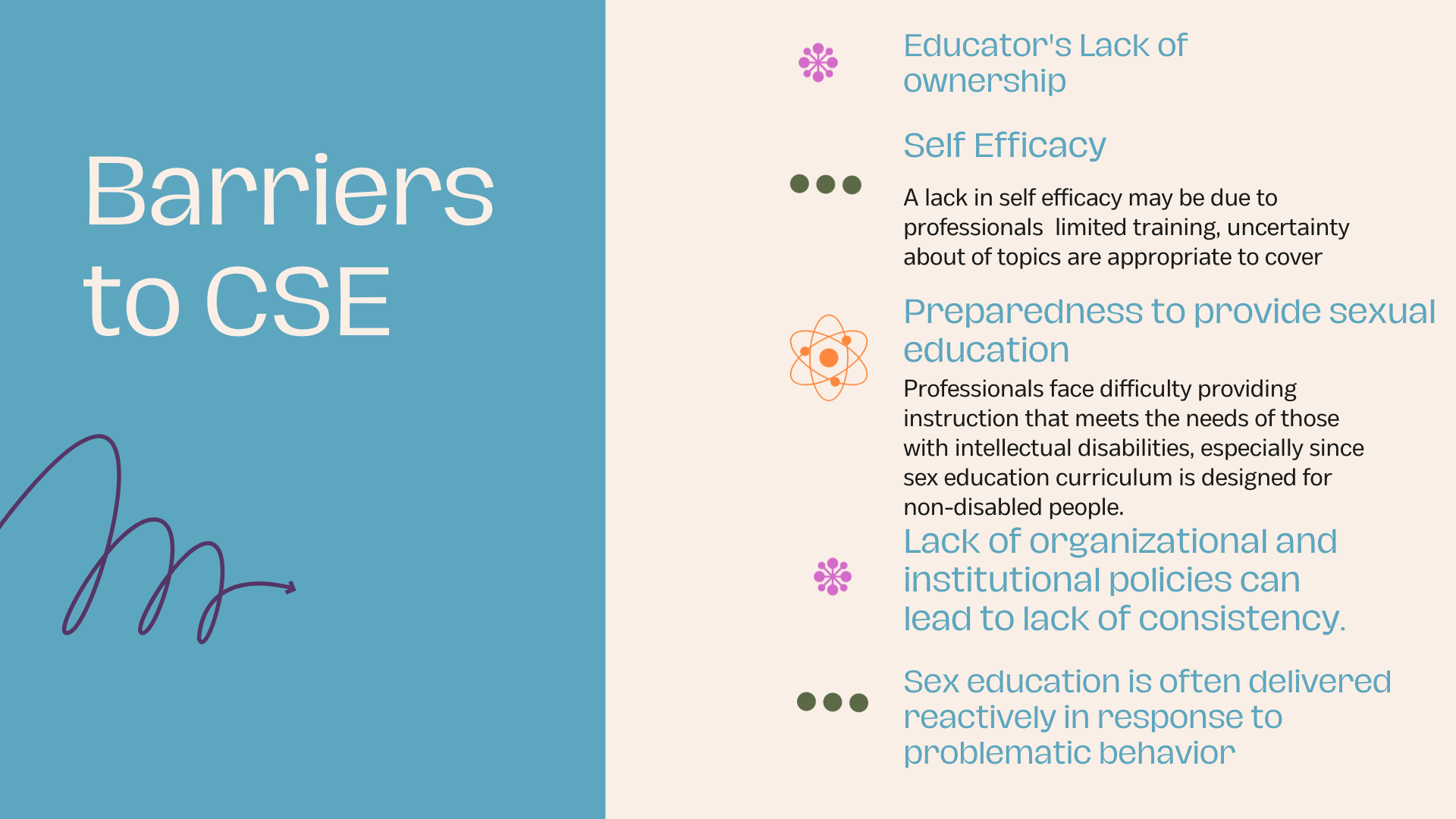
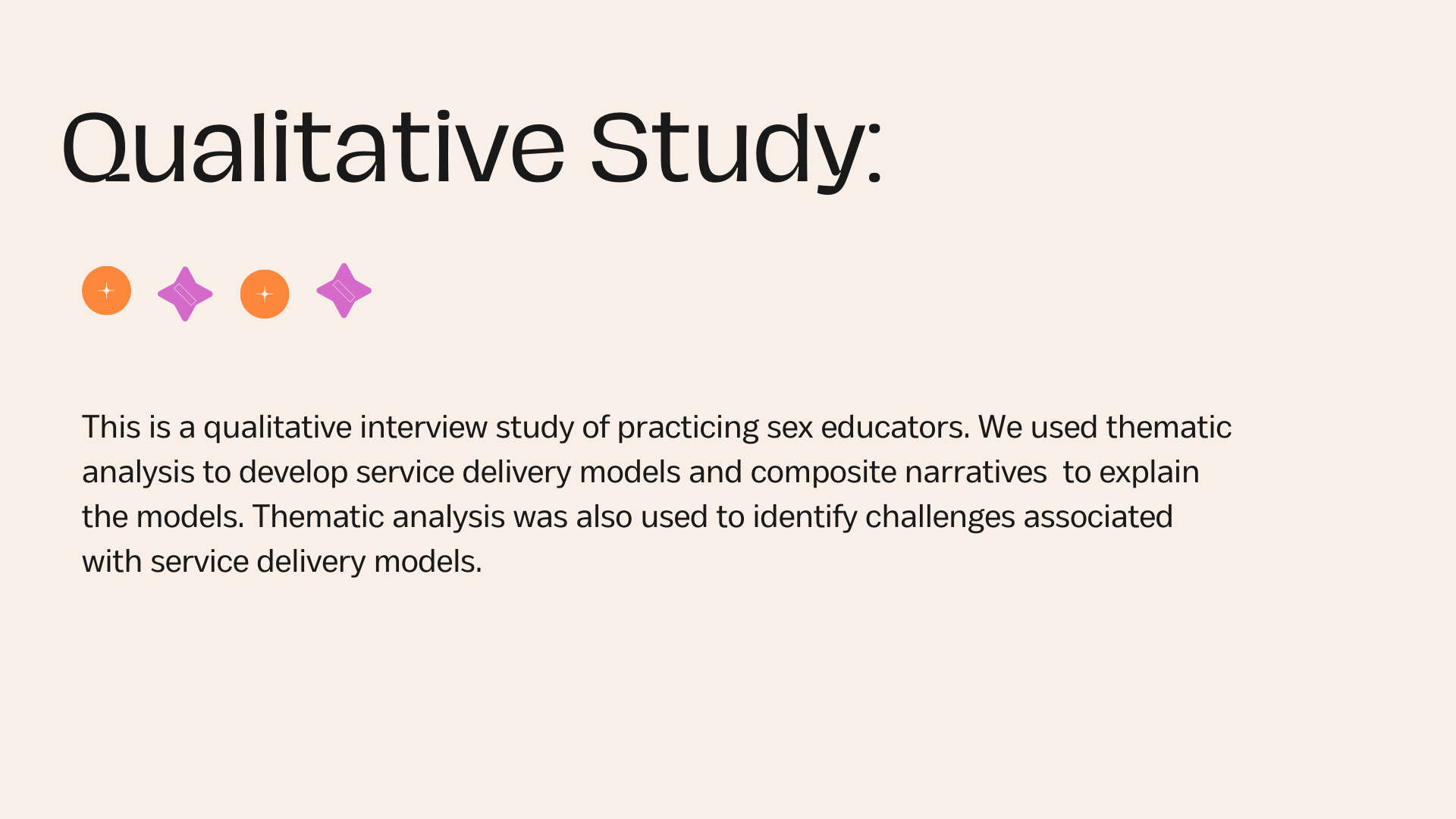
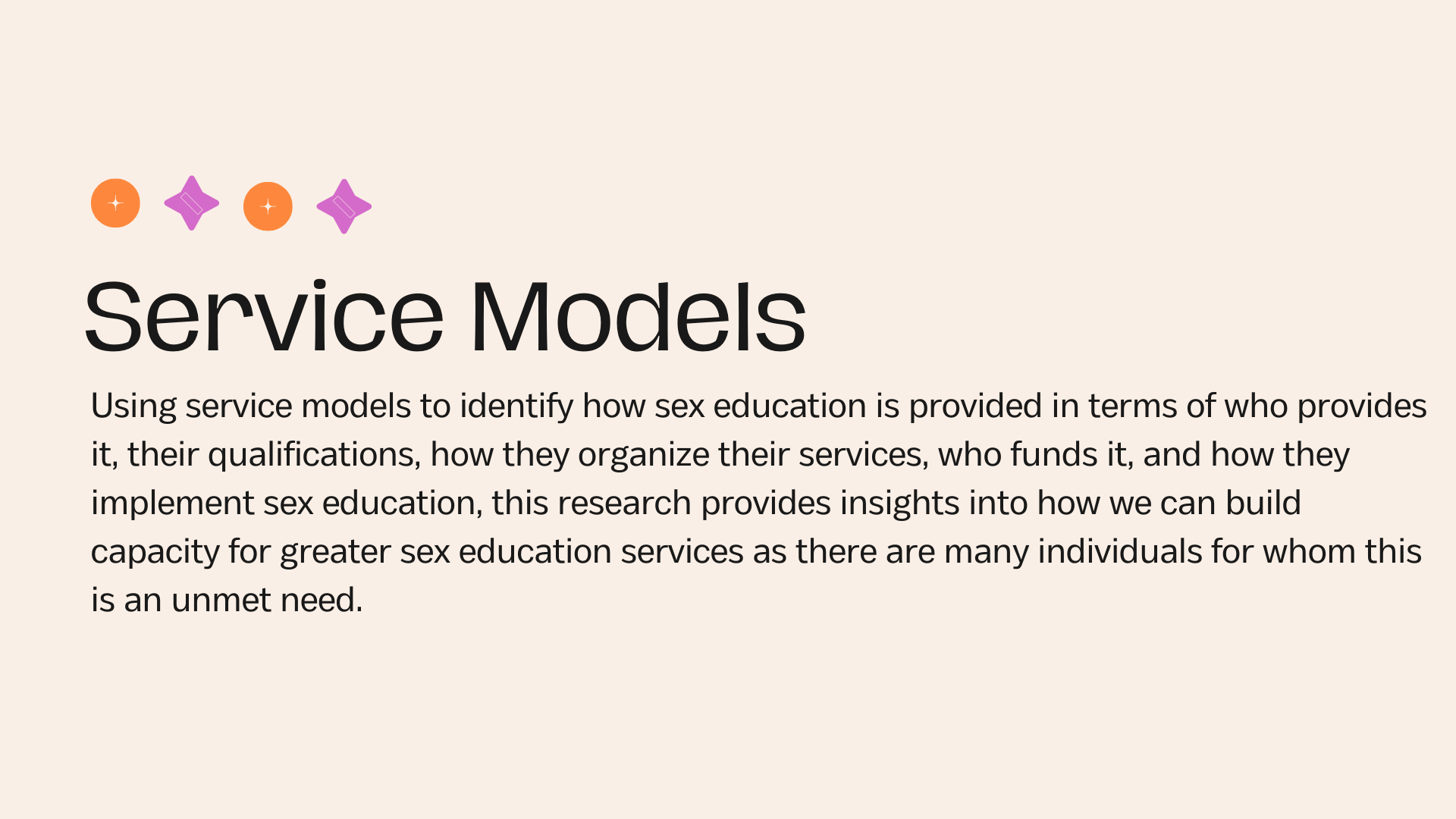
Service Models for Providing Sex Education to Individuals with Intellectual Disabilities in the United States
Curtiss, S.L. & Stoffers, M. (2023). Service models for providing sex education to individuals with intellectual disabilities in the United States. Journal of Intellectual Disabilities, Online first, https://doi.org/10.1177/17446295231164662
A preprint of the whole article is free, and the summary is below.

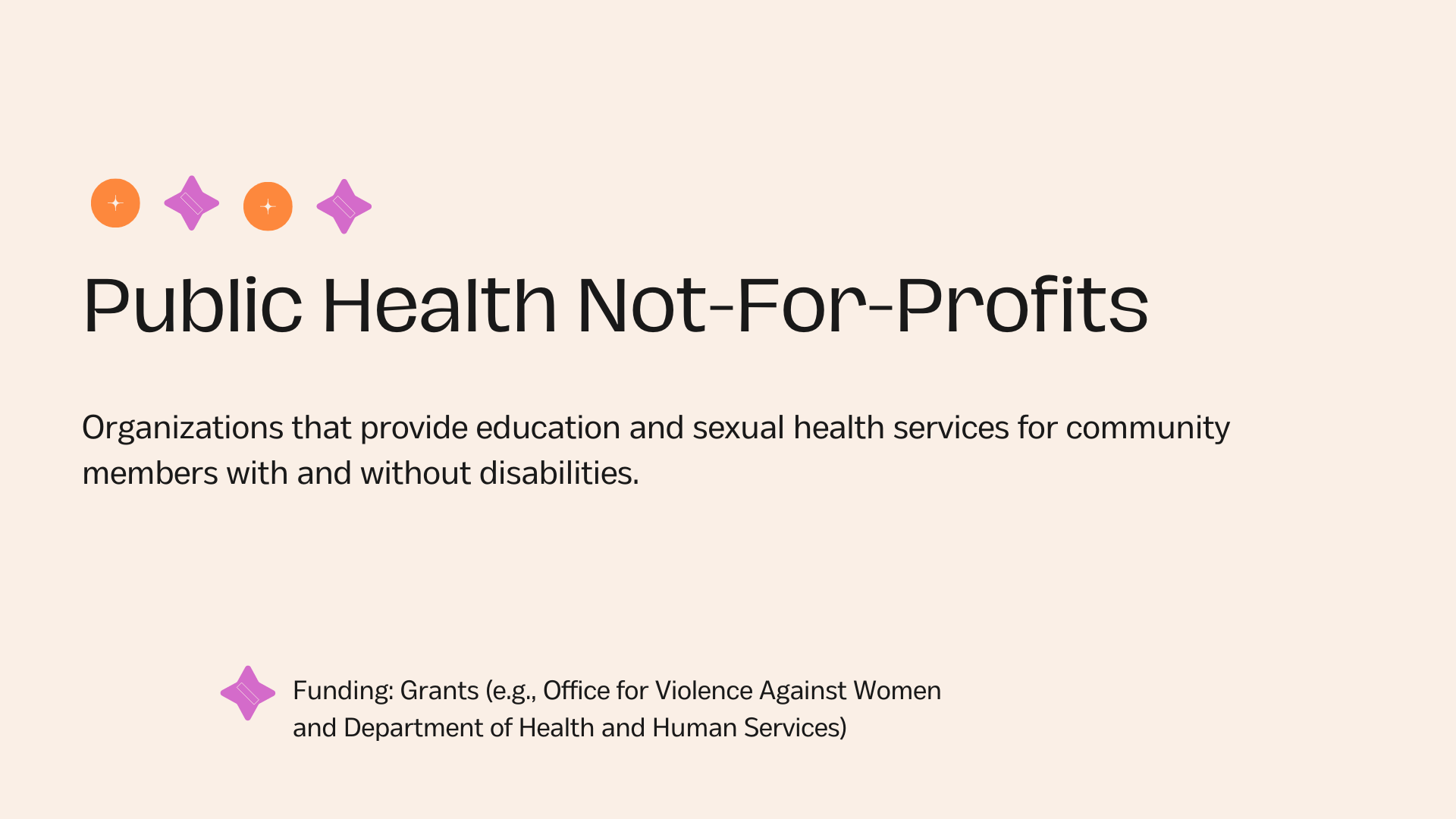
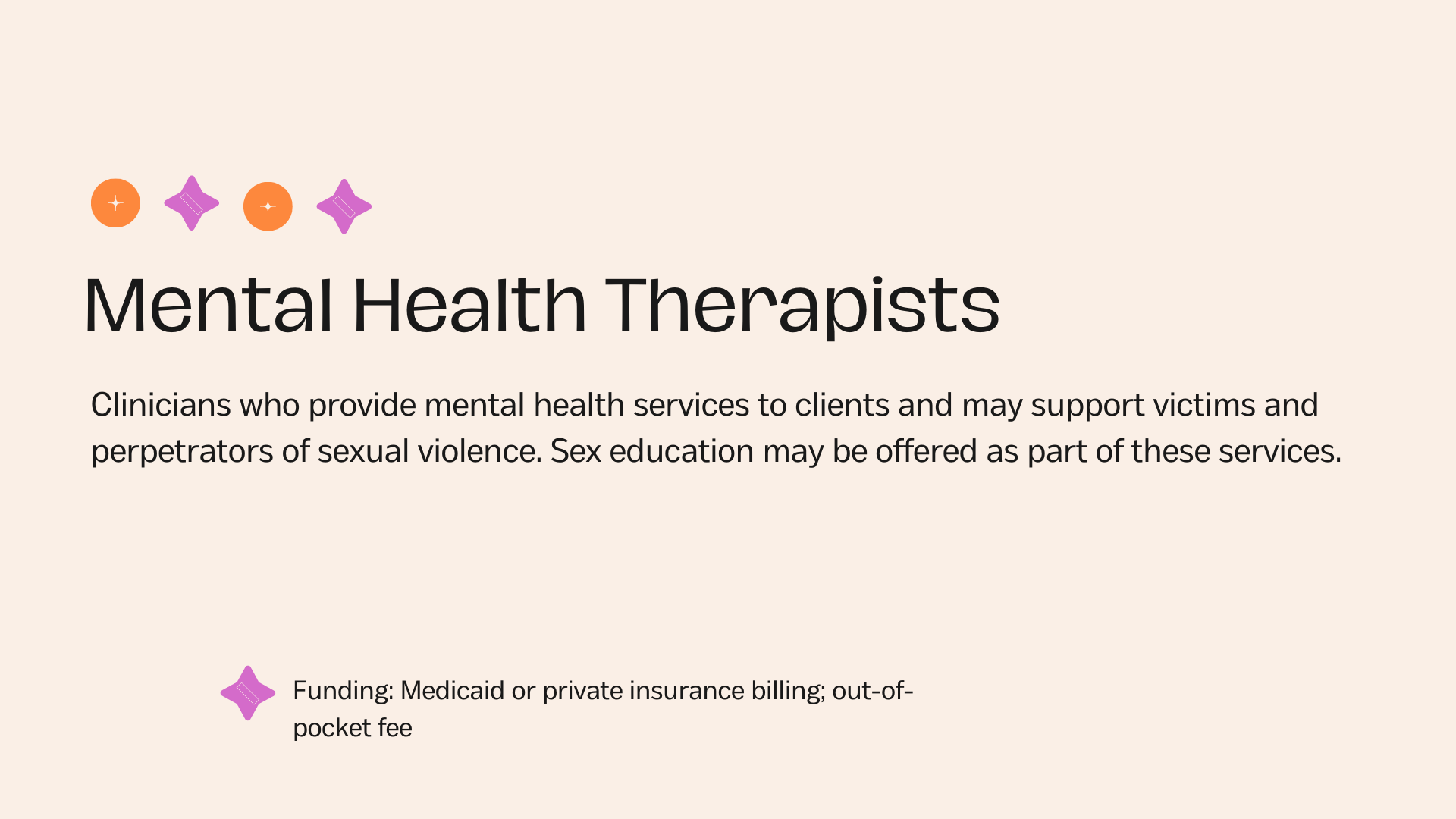
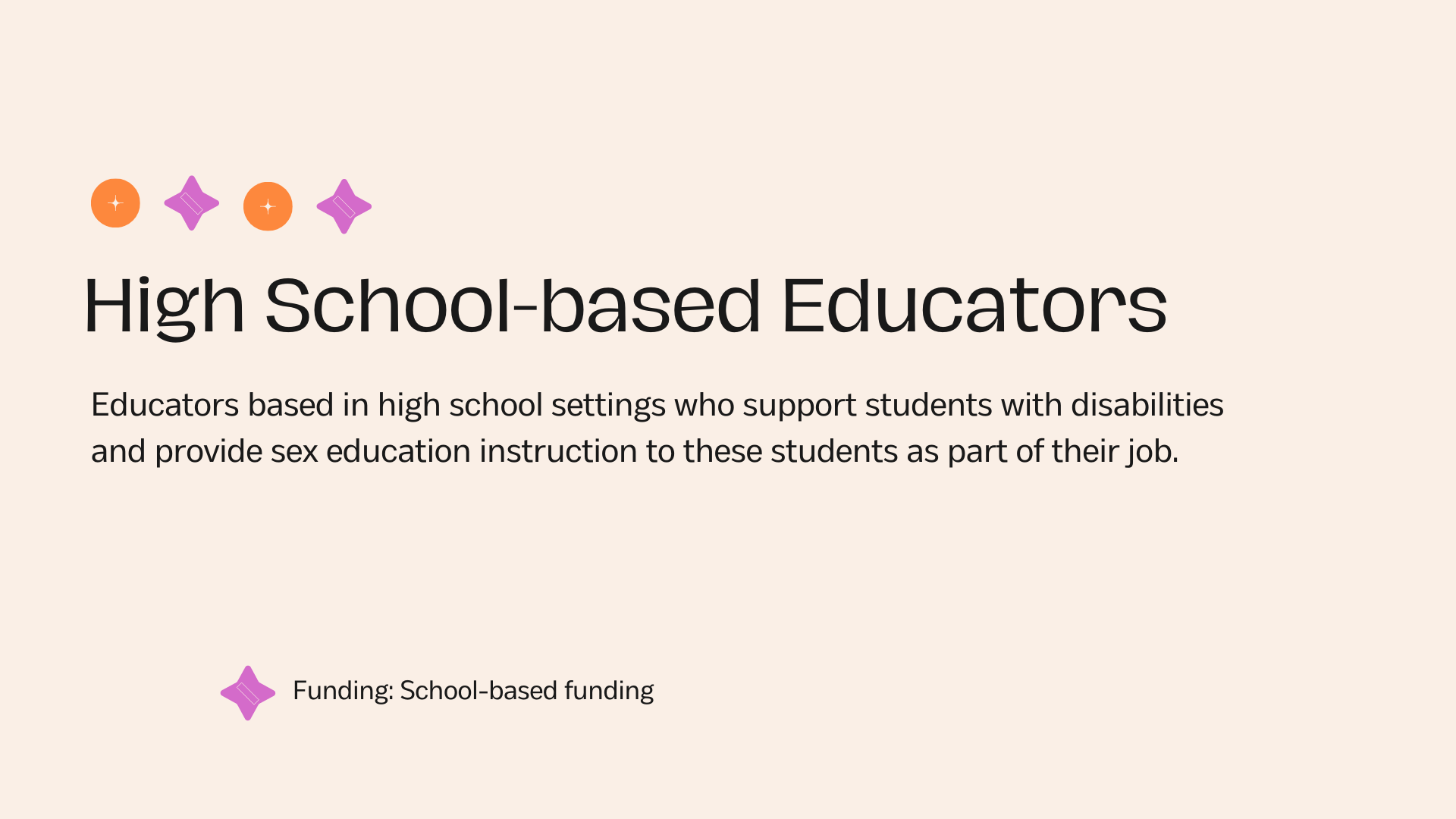
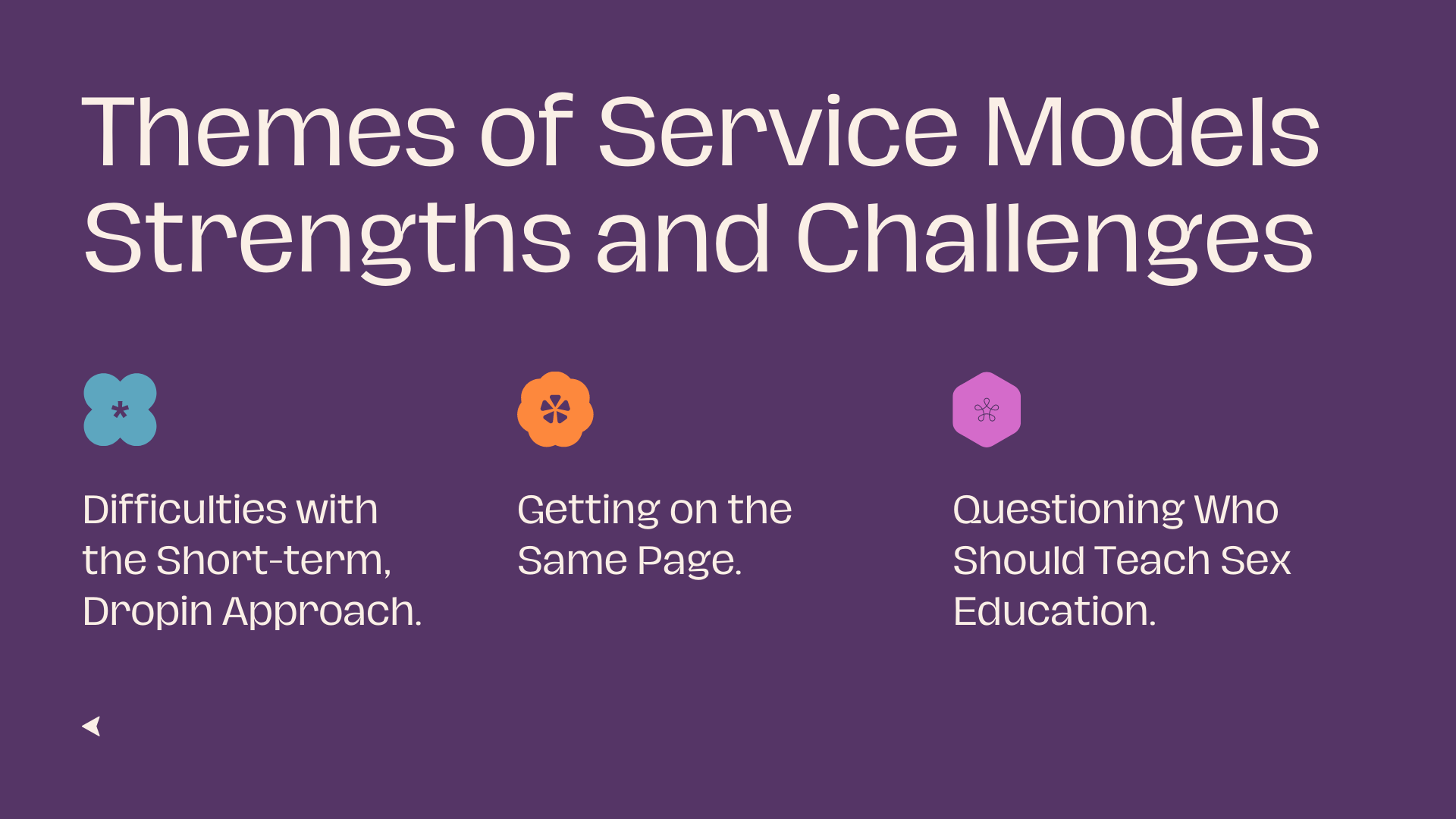
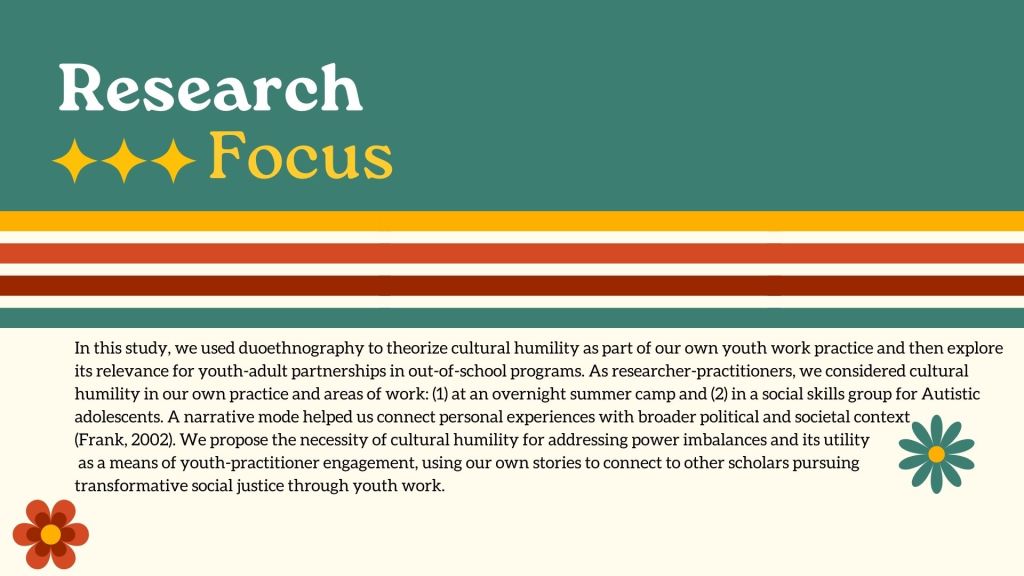
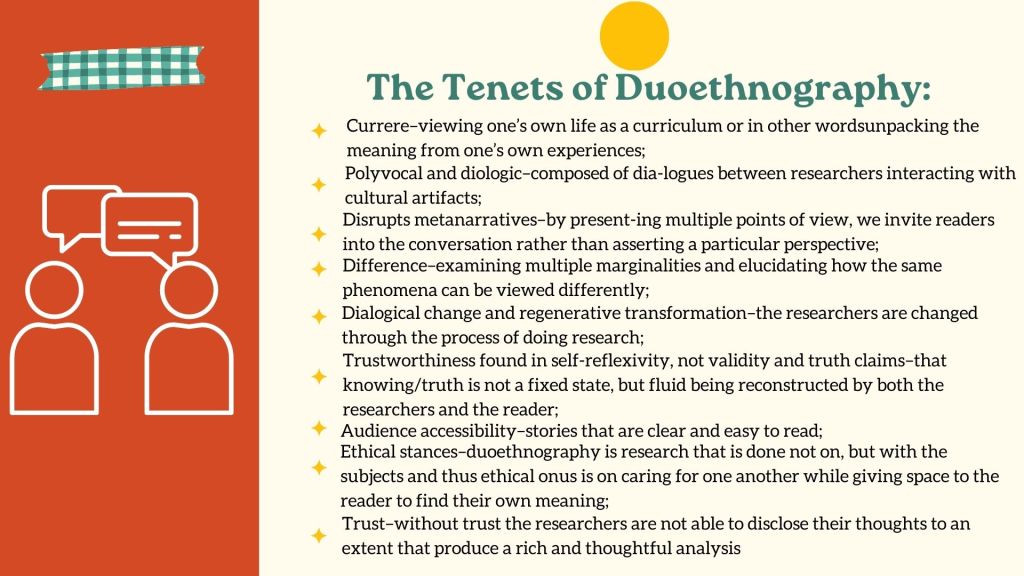
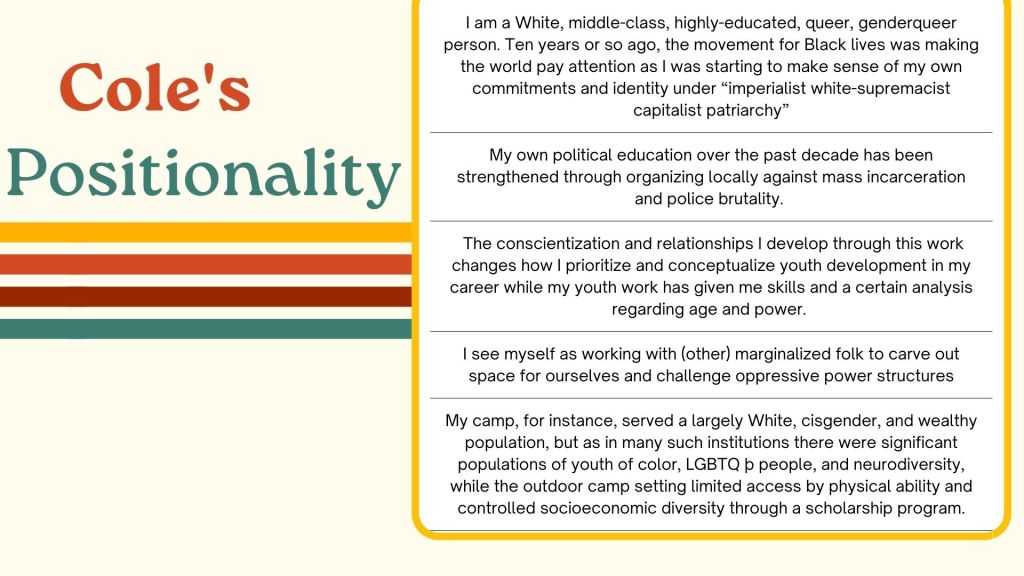
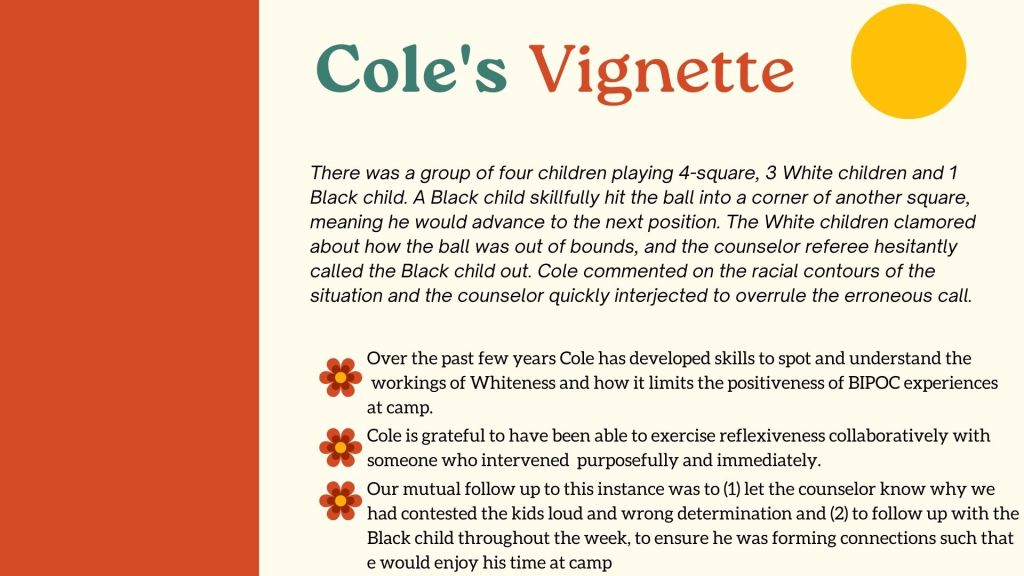
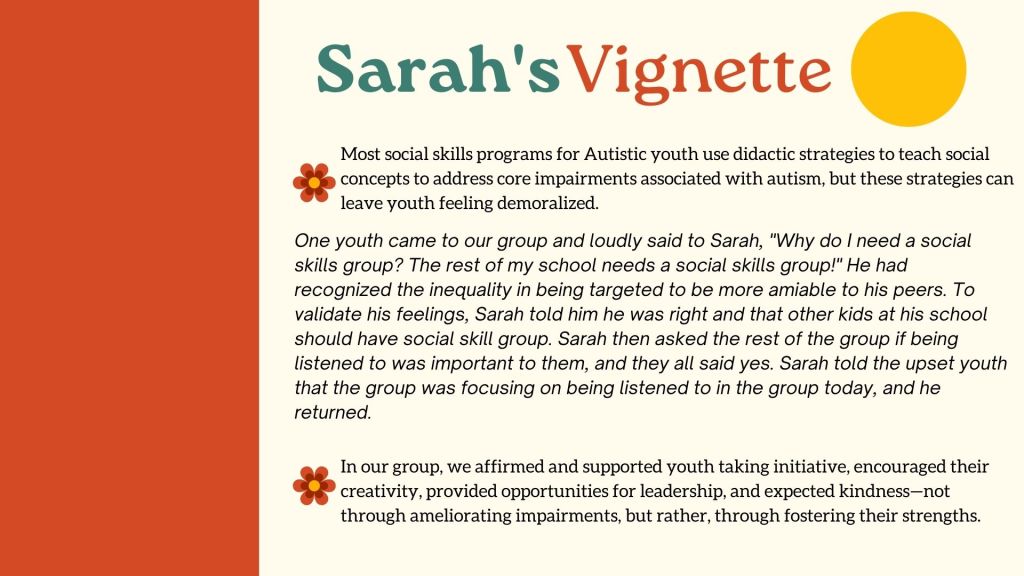
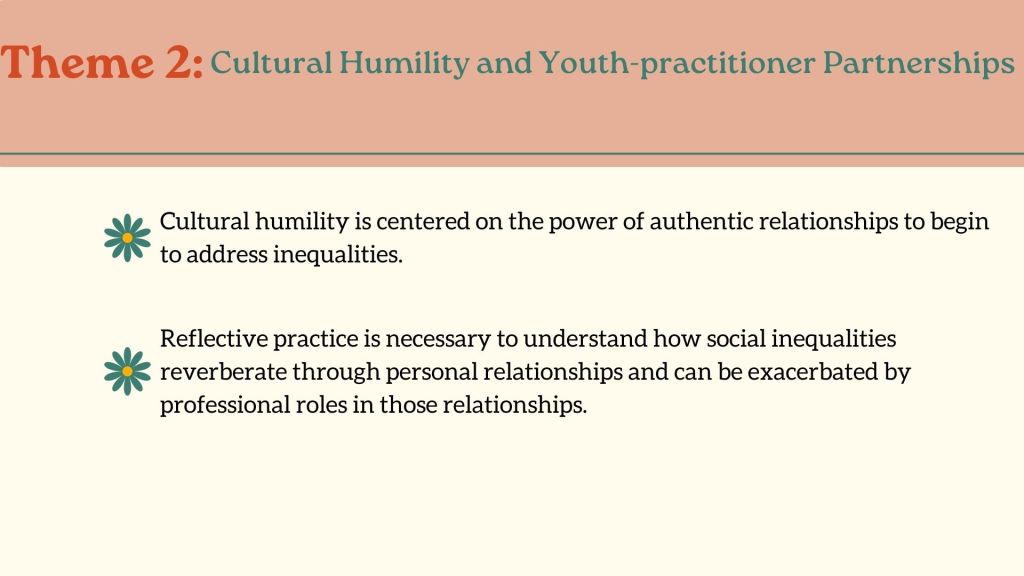
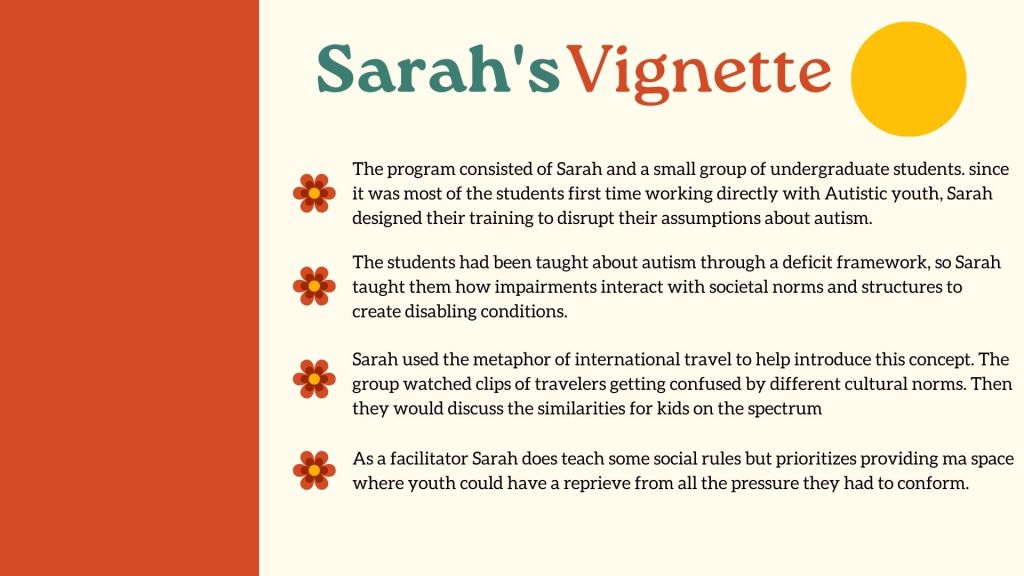
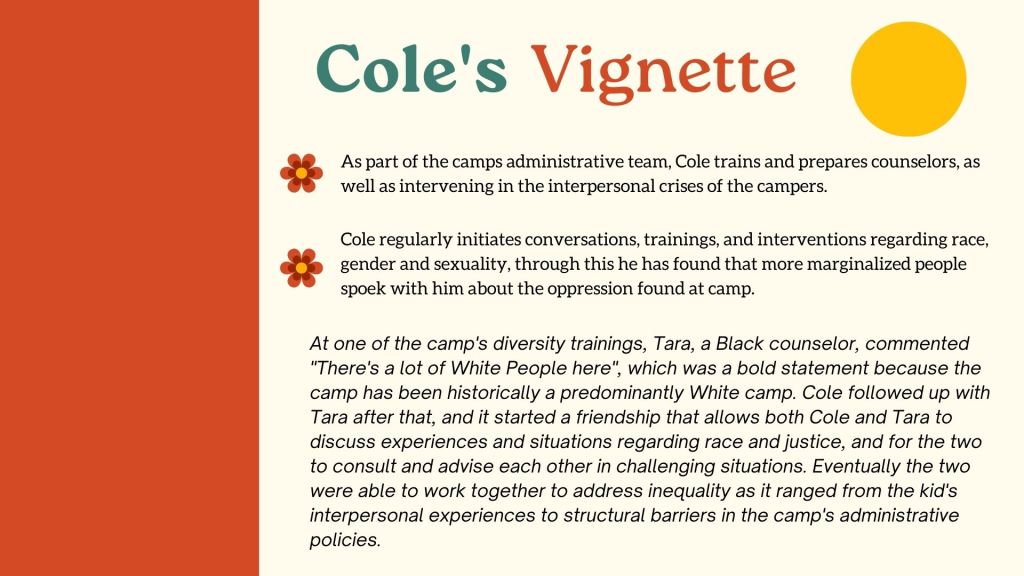
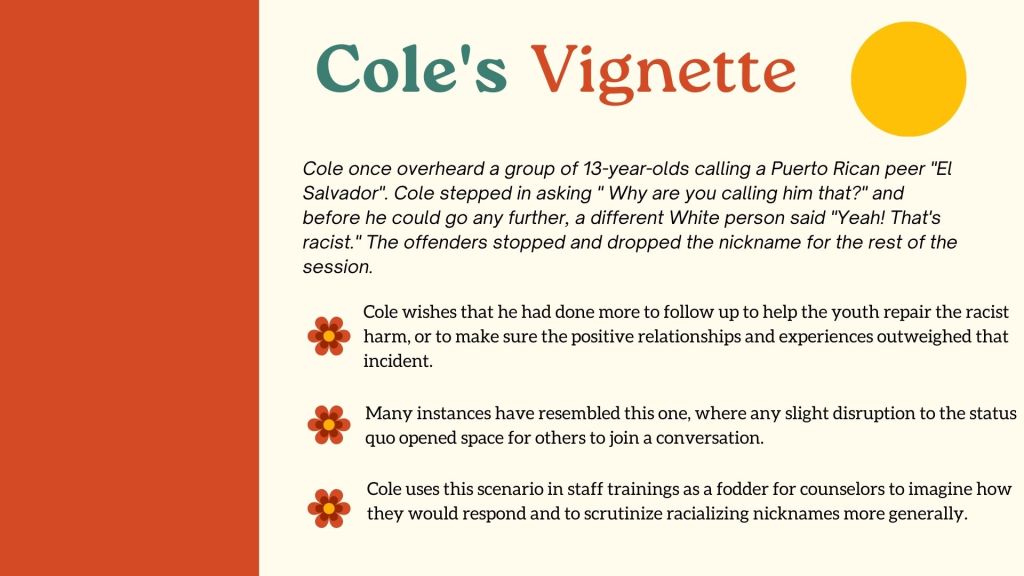
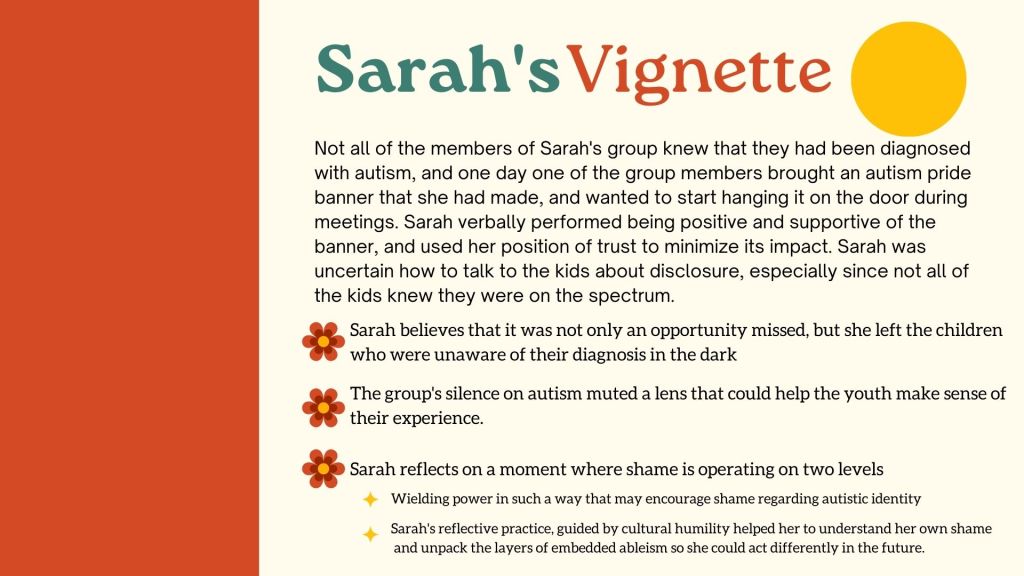
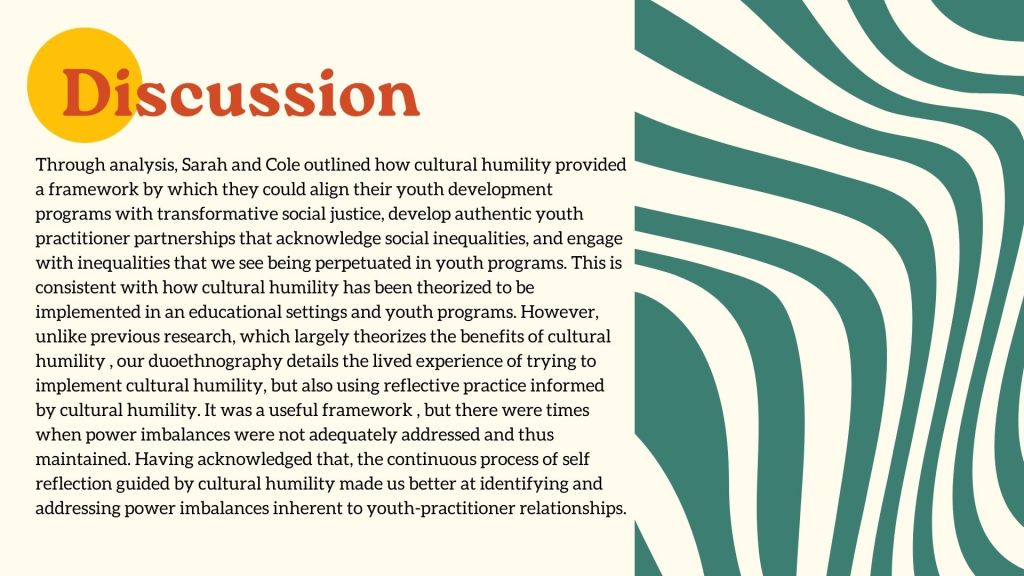
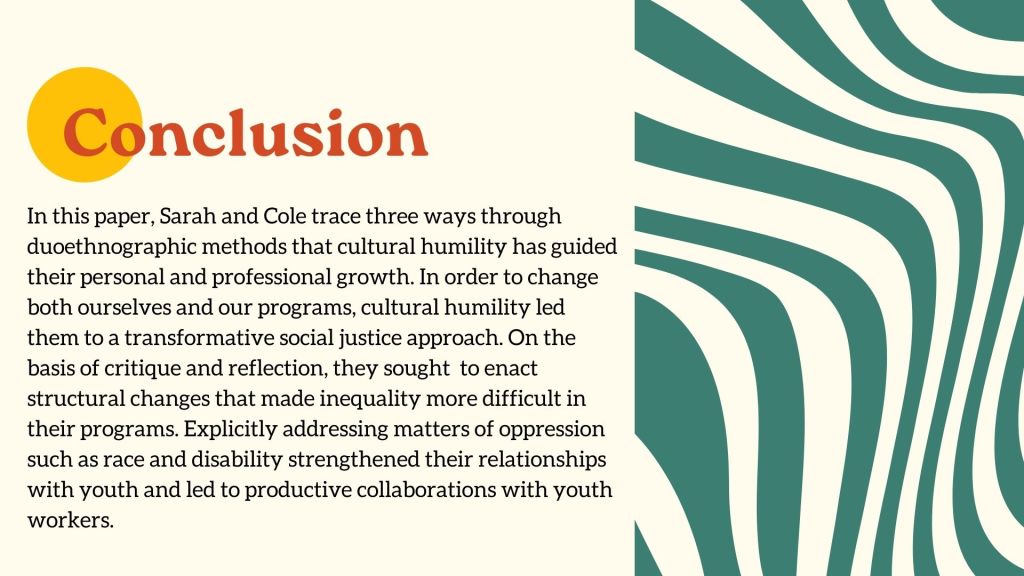
Cultural Humility in Youth Work: A Duoethnography on Anti-racist, Anti-ableist Practice
Curtiss, S.L. & Perry, S.C. (2023). Cultural humility in youth work: A duoethnography on anti-racist, anti-ableist practice. International Journal of Qualitative Studies in Education, Online first, https://doi.org/10.1080/09518398.2023.2178756
Contact us to access this article, or check out the summary below.



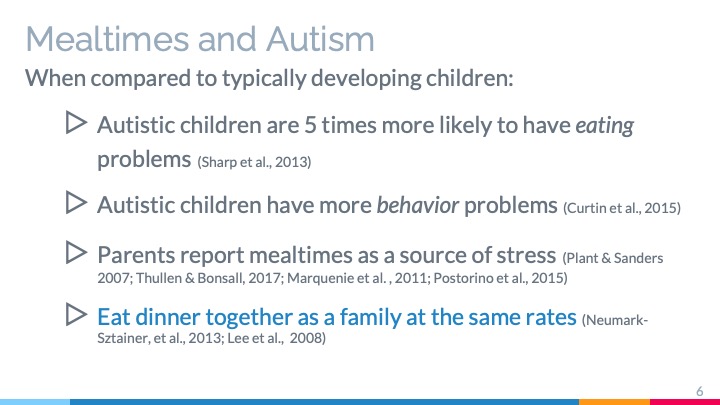
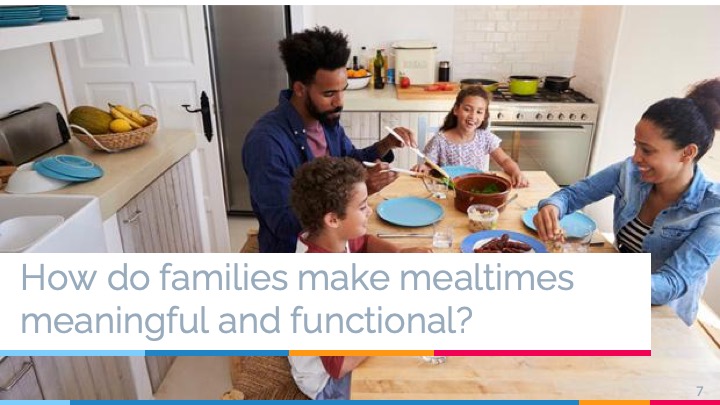
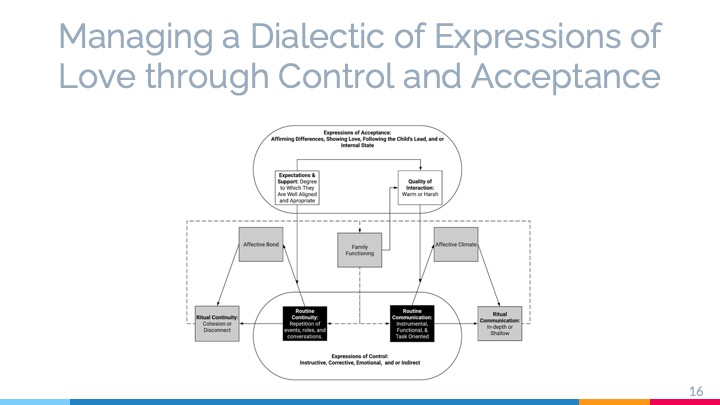
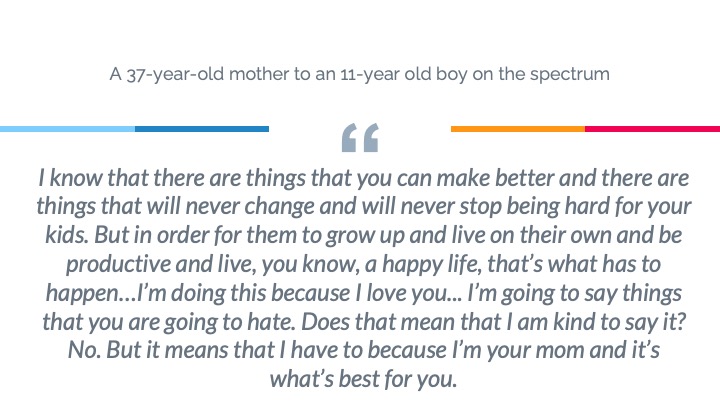
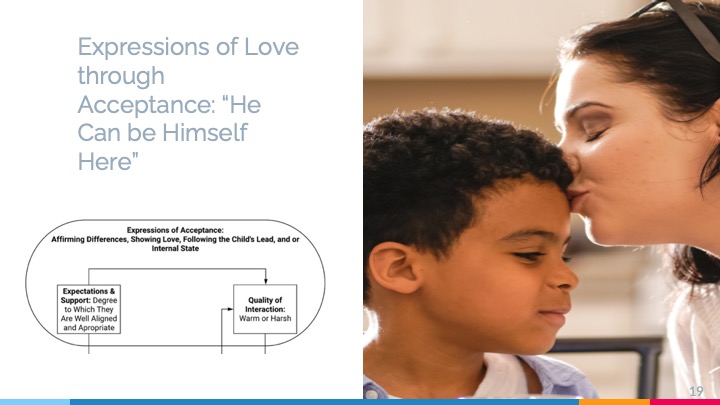
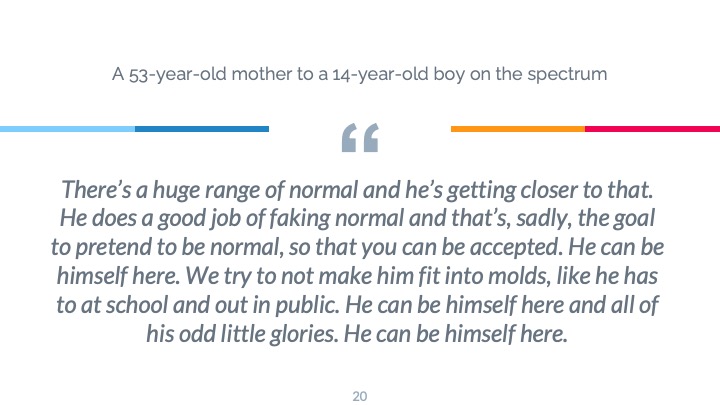
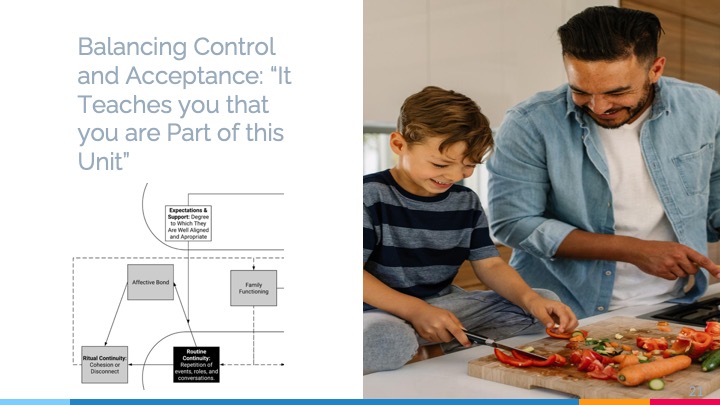
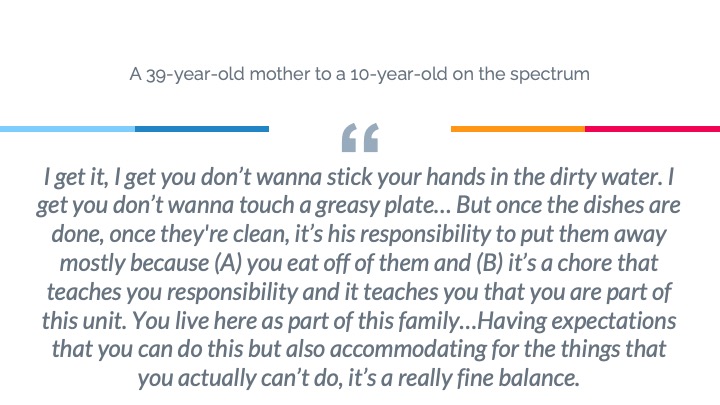
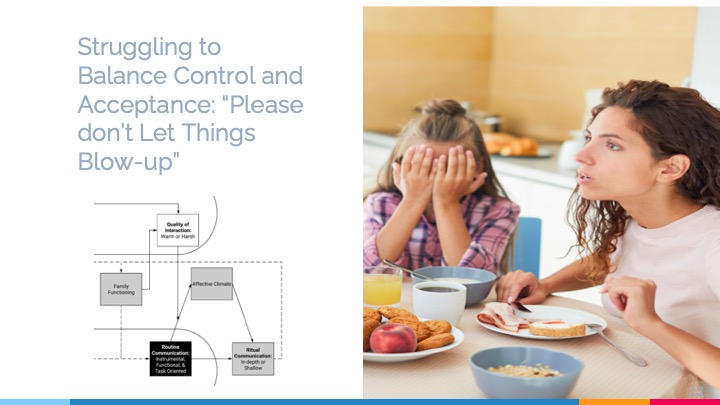
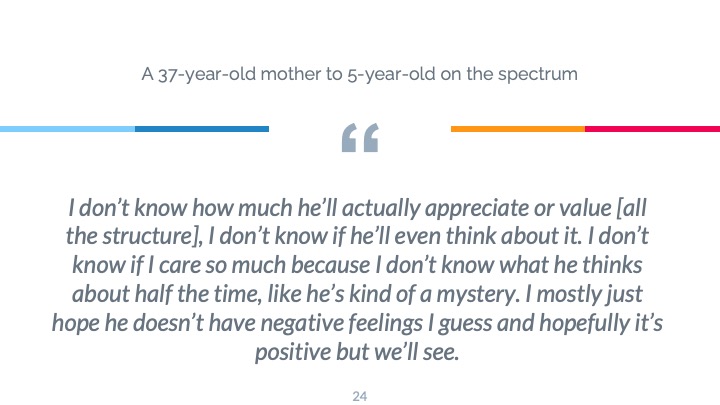
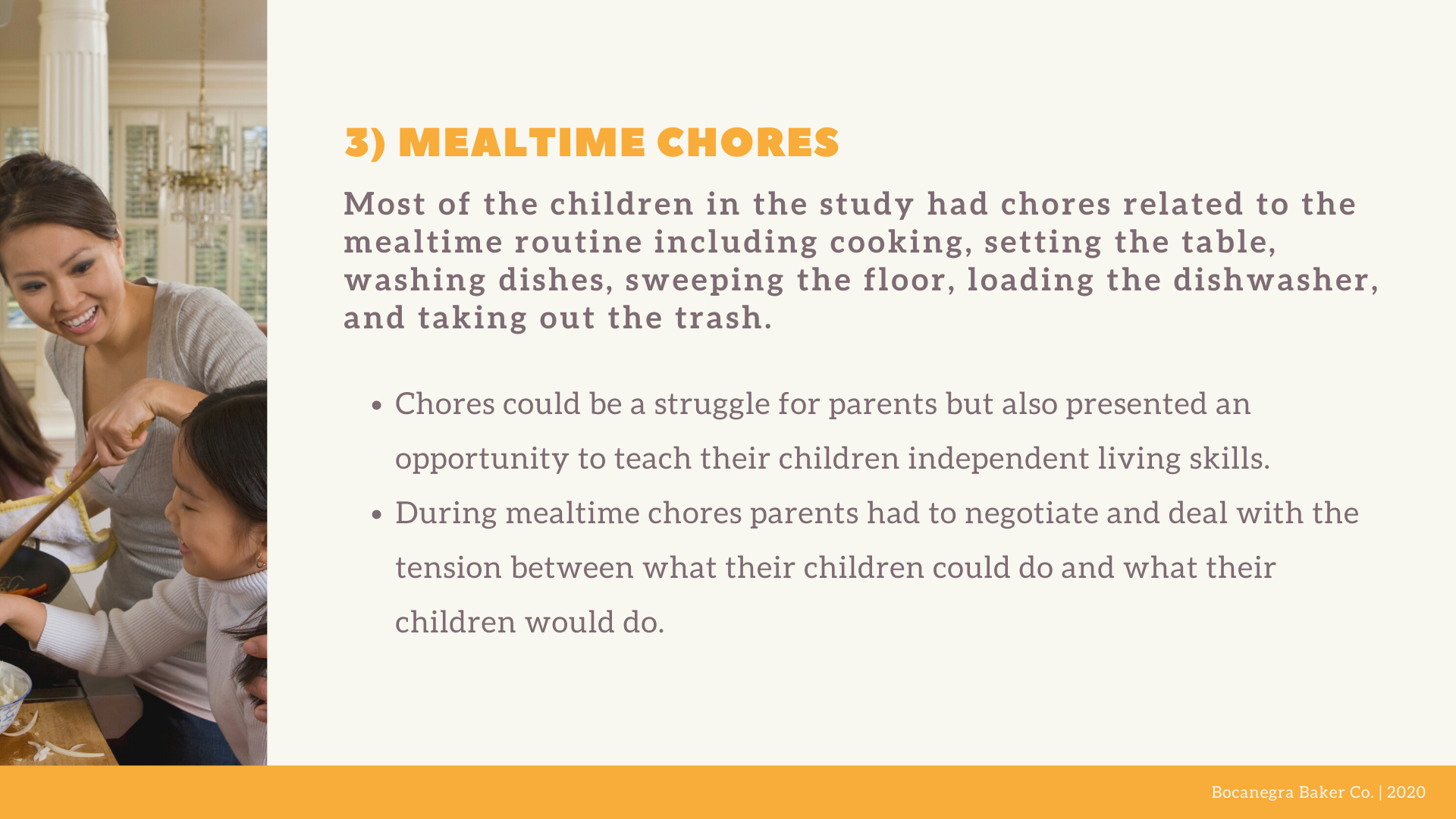
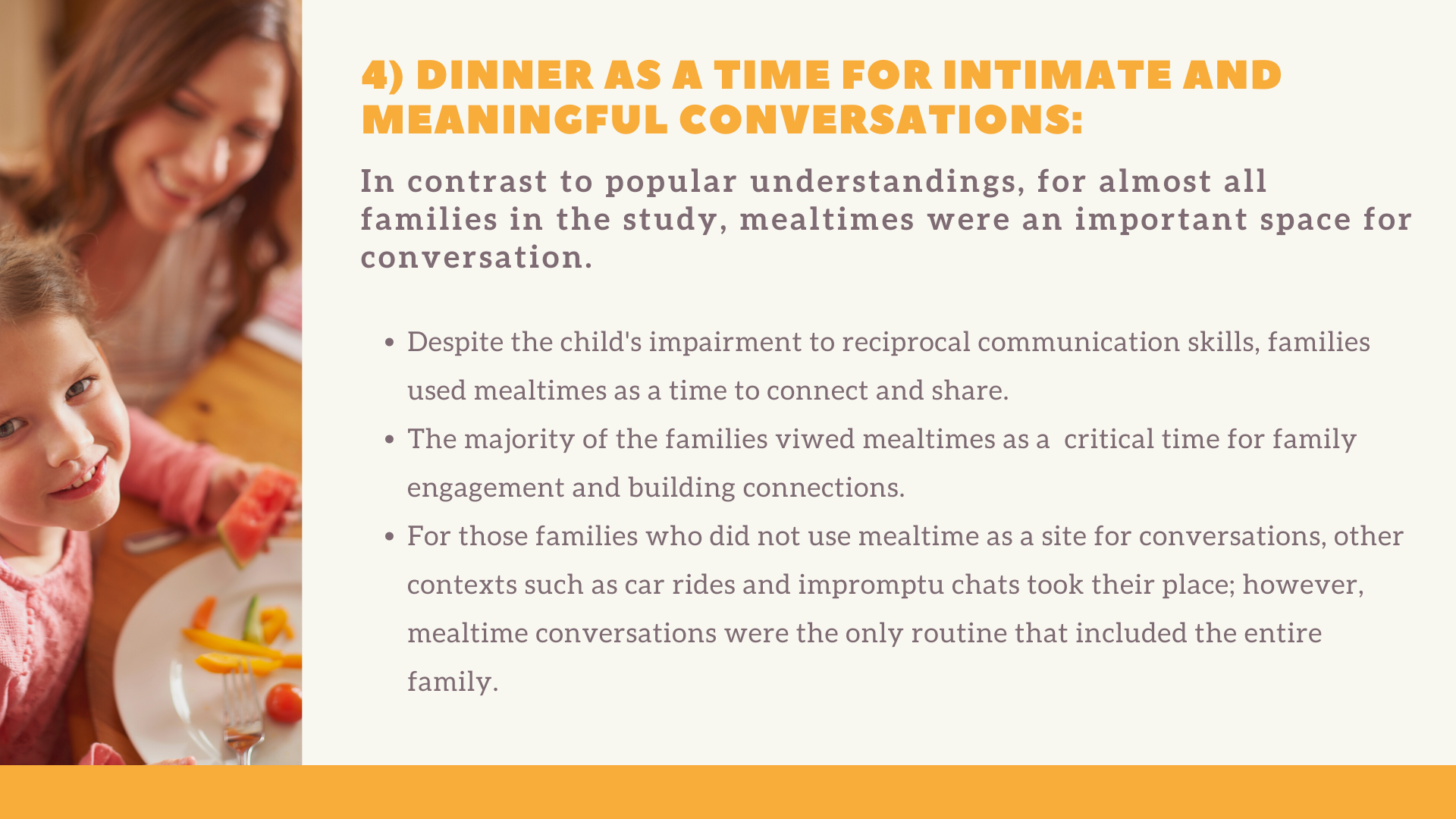
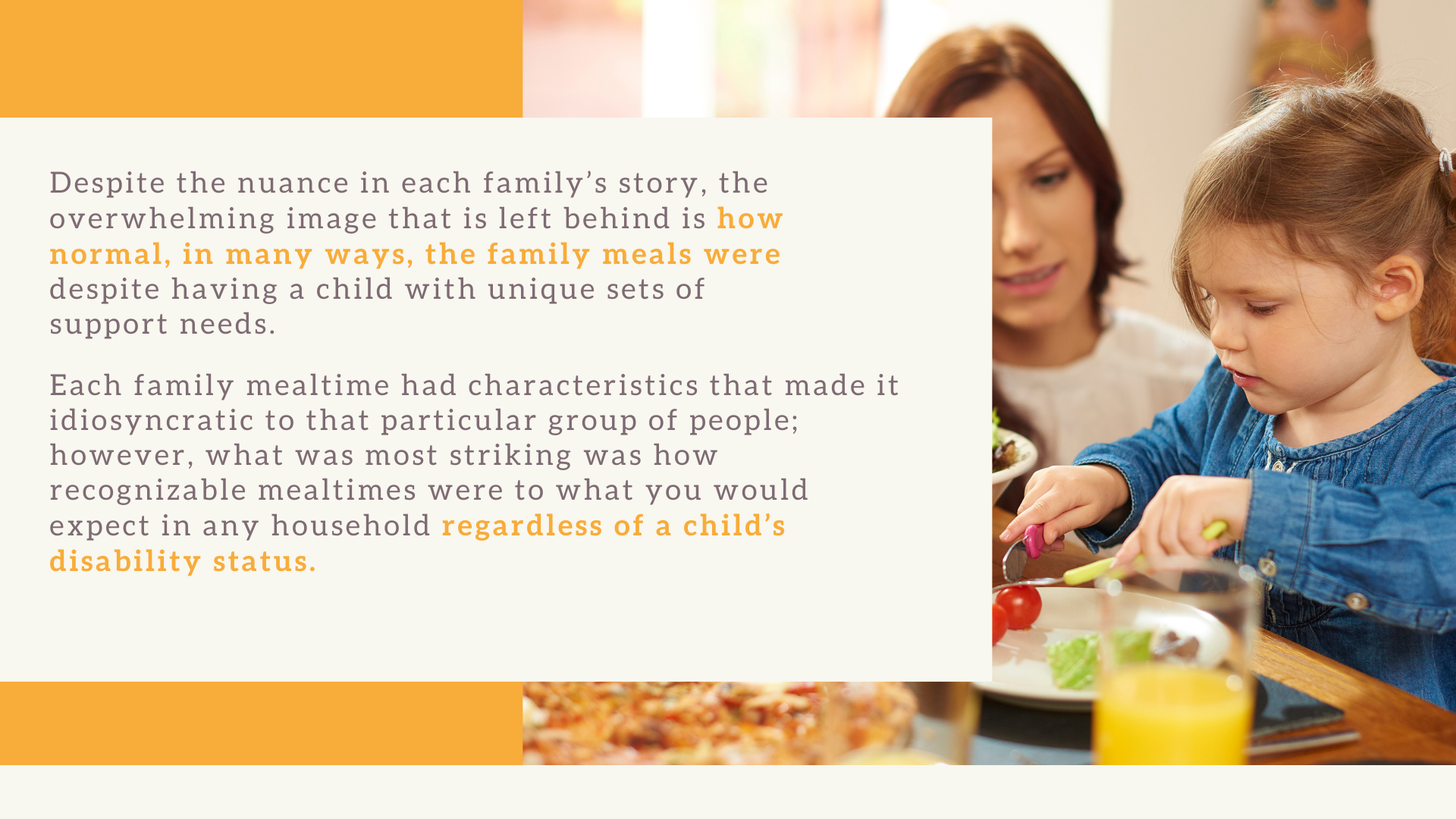
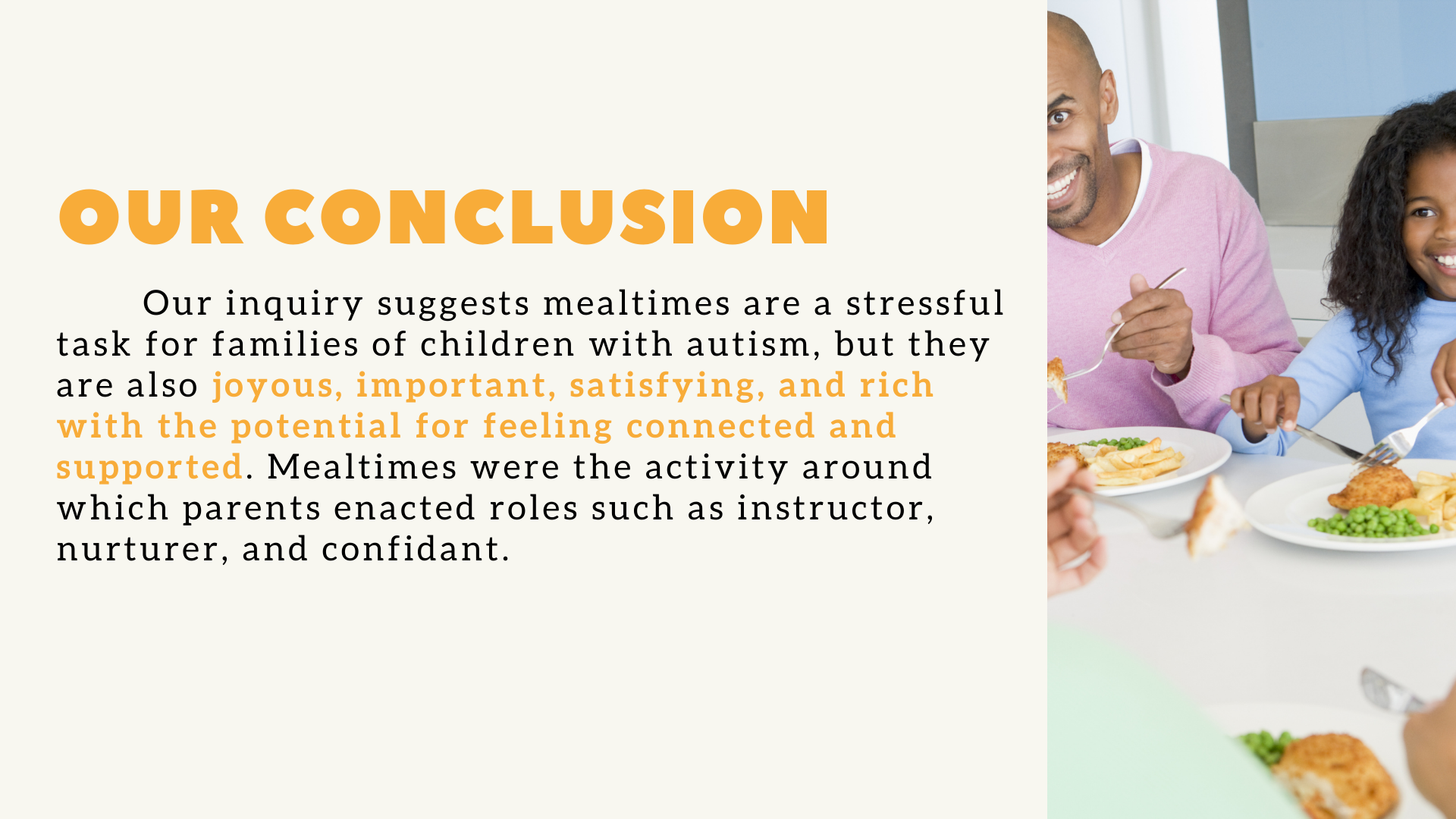
A Dialectic of Control and Acceptance: Mealtimes with Children on the Autism Spectrum
Curtiss, S.L. & Ebata, A. (2021). A dialectic of control and acceptance: Mealtimes with children on the autism spectrum. Appetite, Online first. https://doi.org/10.1016/j.appet.2021.105327
A preprint of the whole article is for free, and the summary is below.



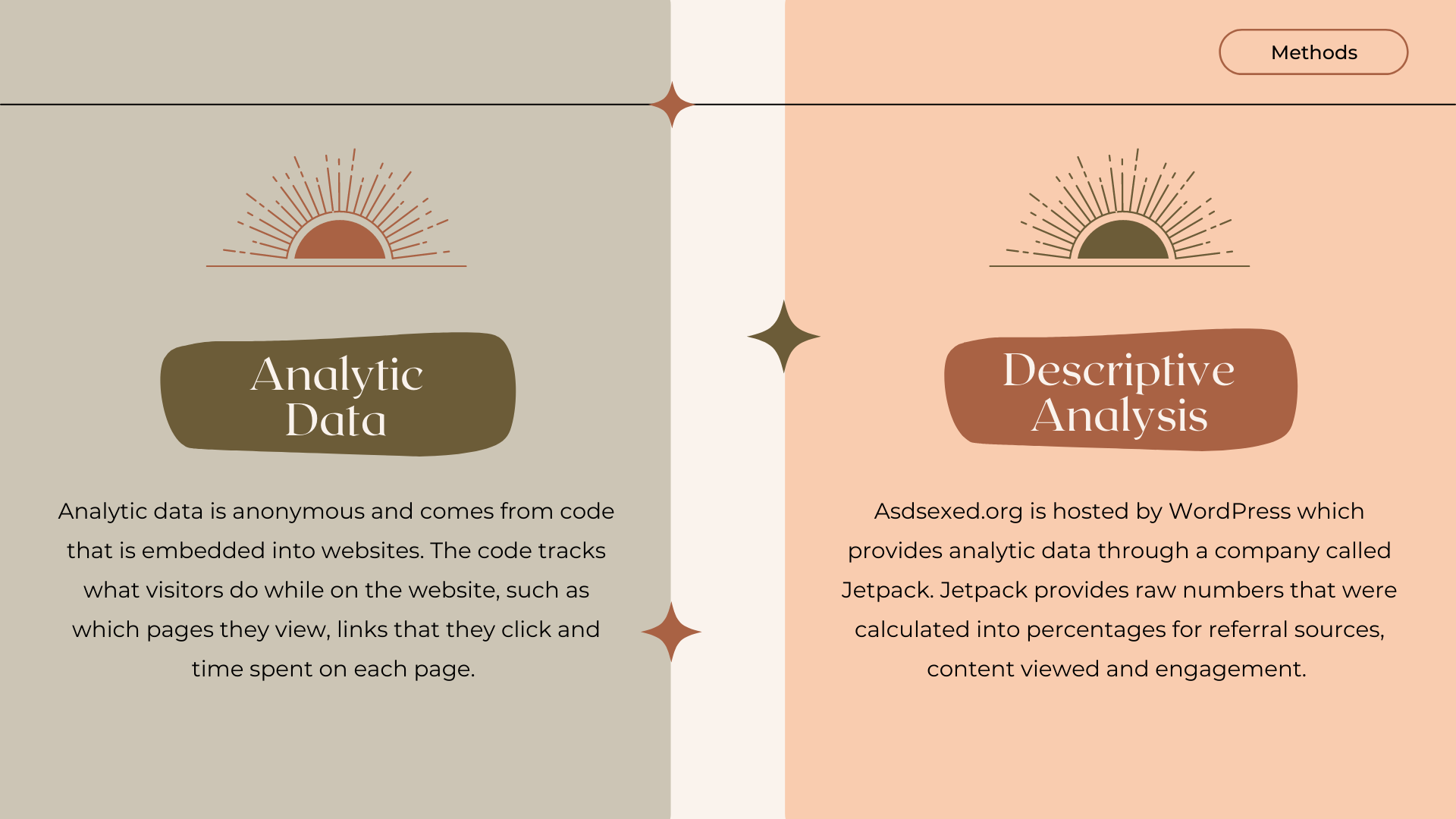
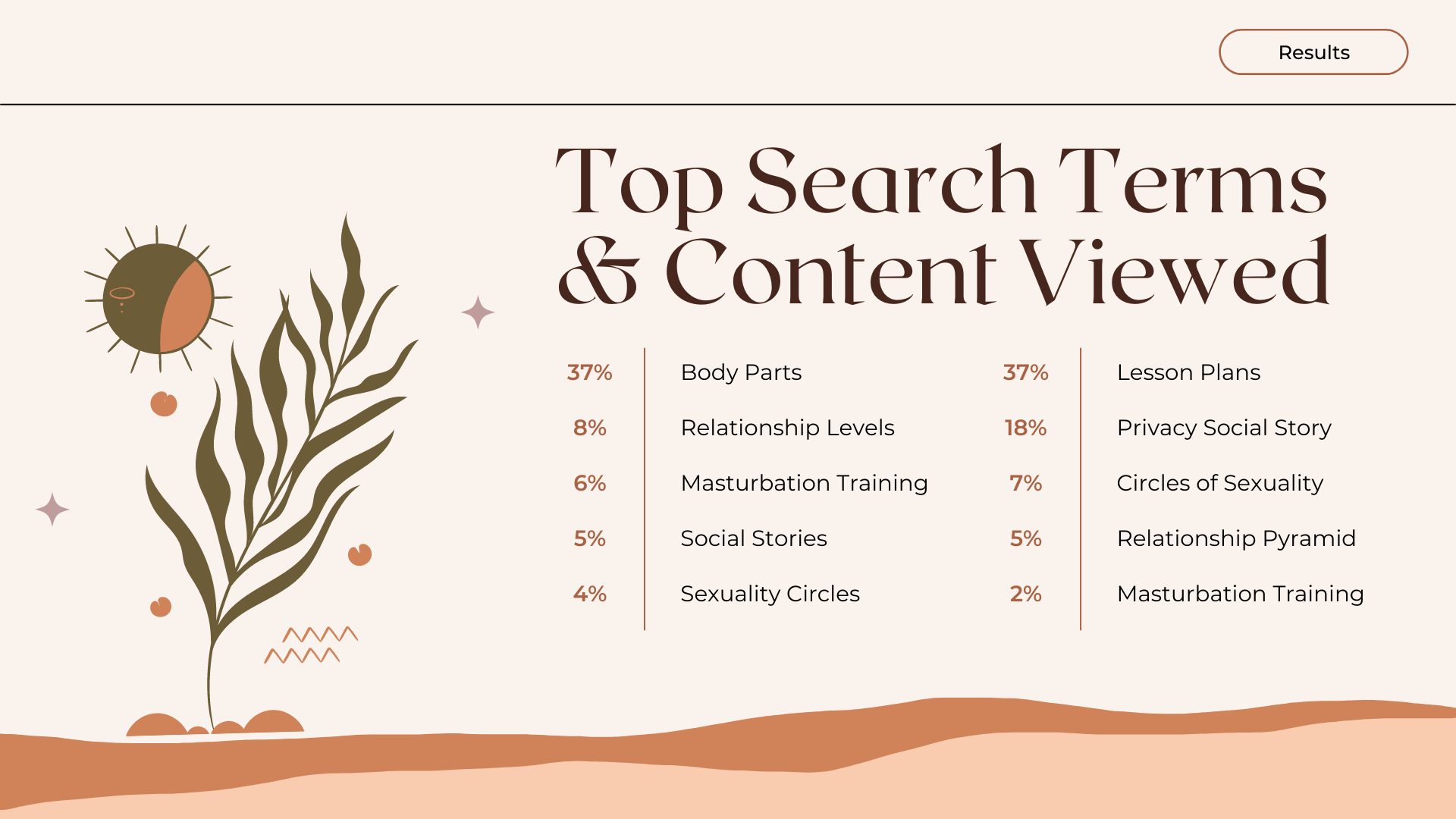
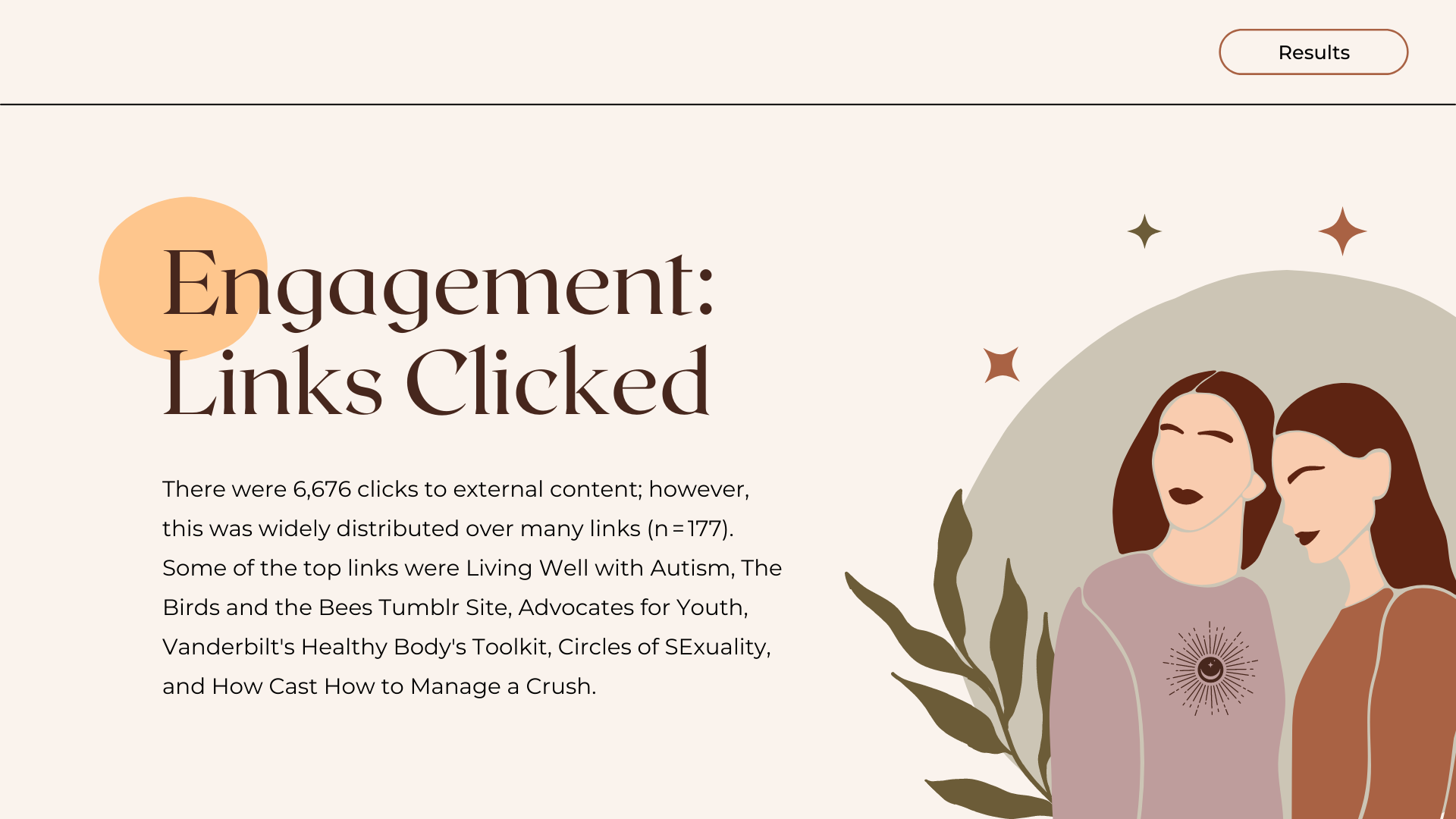
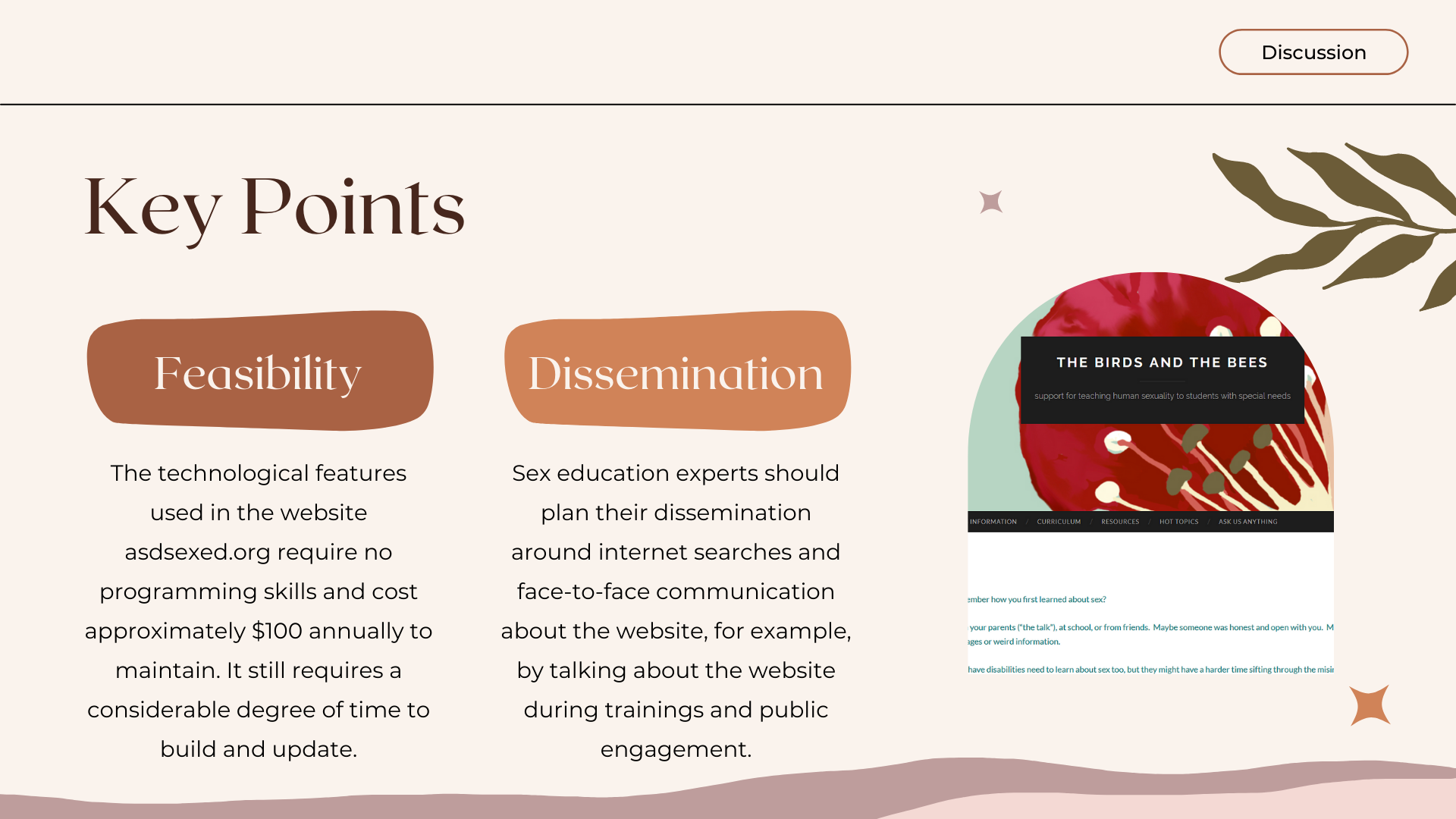
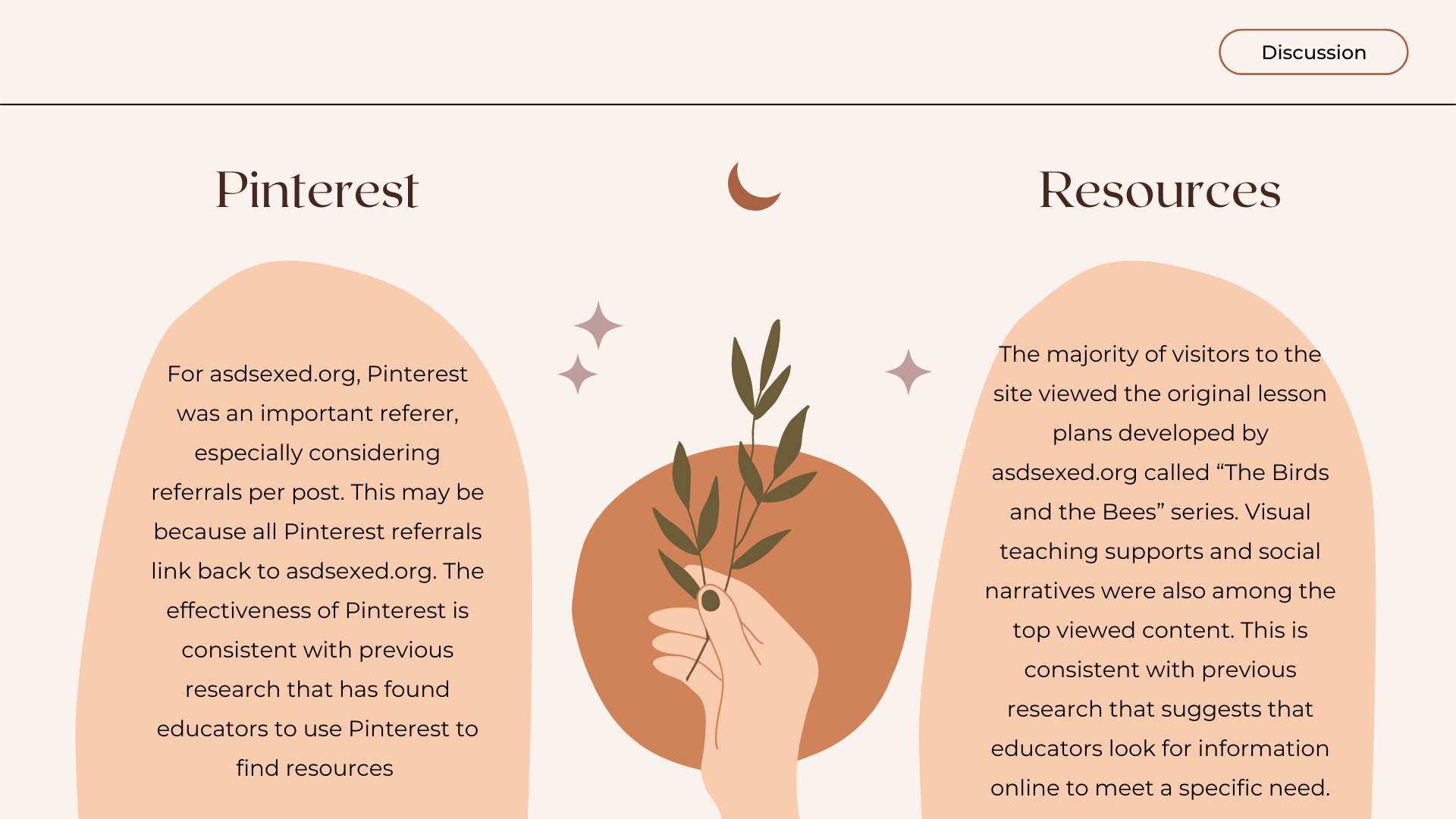
Disseminating Resources Online for Teaching Sex Education to People with Developmental Disabilities
Curtiss, S.L. & Stoffers, M. (2021). The birds and the bees: Disseminating resources online for teaching sex education to people with developmental disabilities. Sexuality and Disability, Online first. https://doi.org/10.1007/s11195-021-09703-1
A preprint of the whole article is free, and the summary is below.

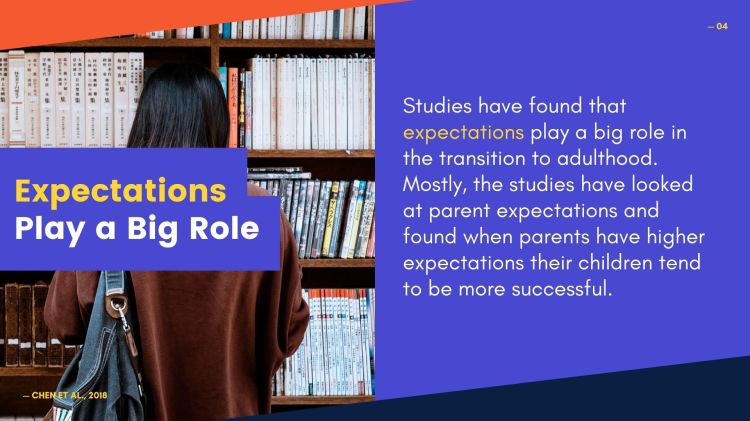
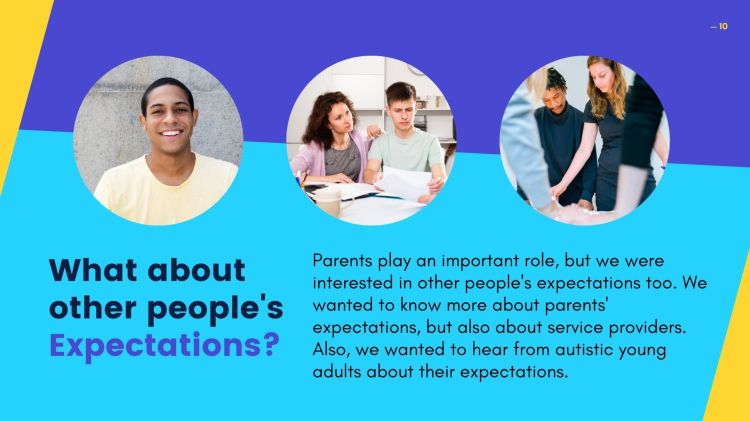
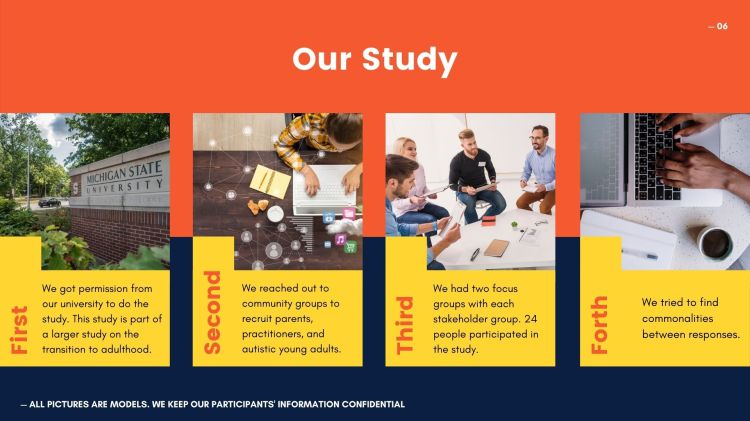
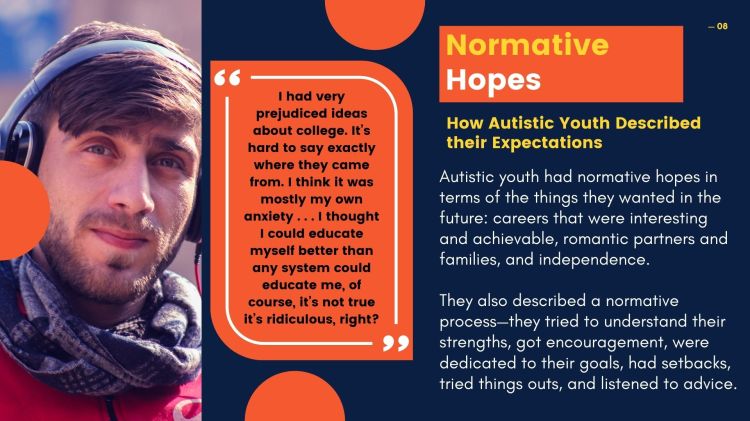
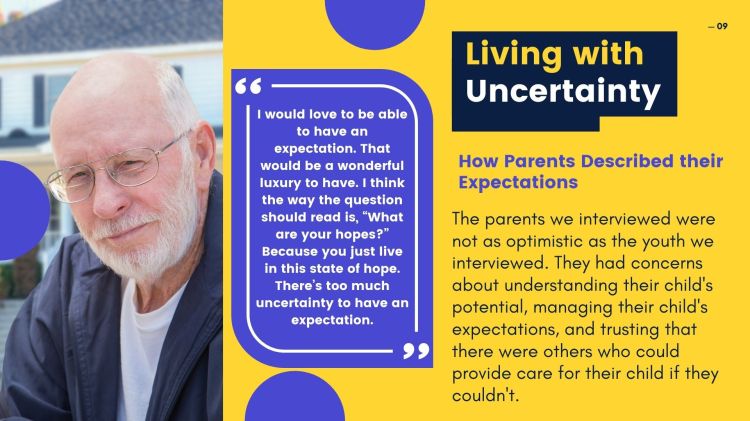
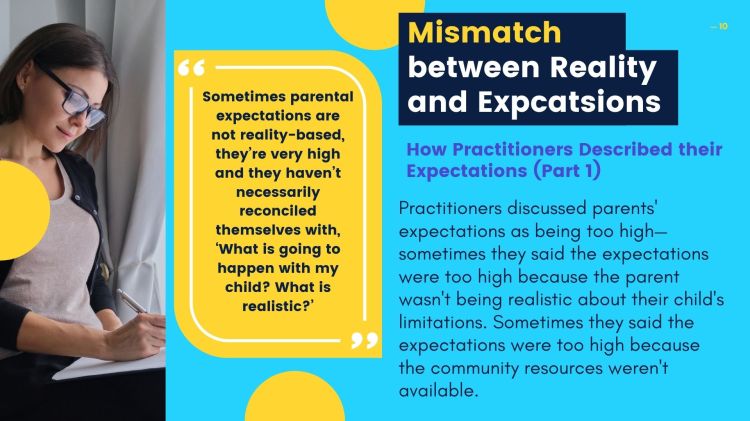
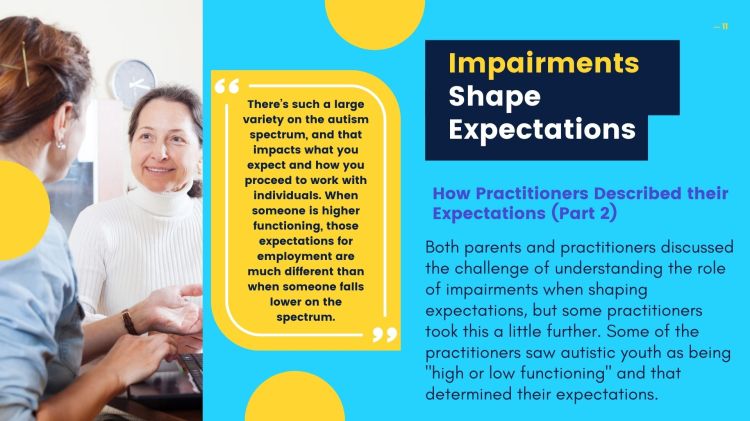
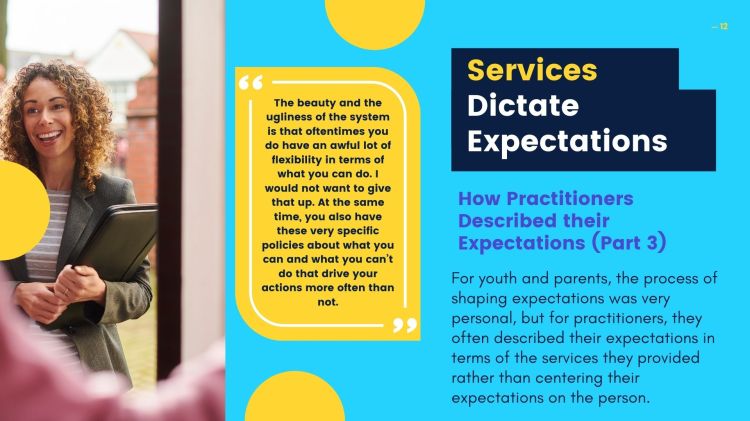
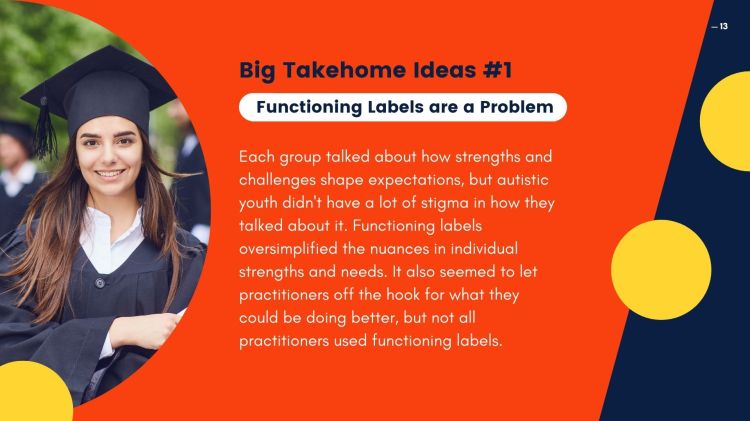
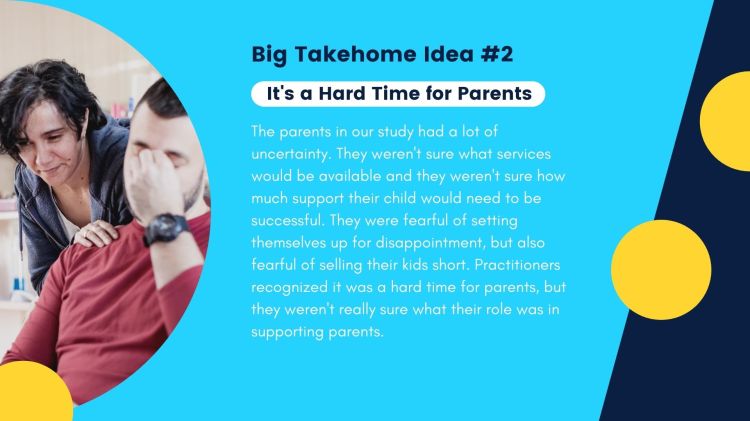
Autistic Young Adults’, Parents’, and Practitioners’ Expectations of the Transition to Adulthood
Curtiss SL, Lee GK, Chun J, Lee H, Kuo HJ, & Ami-Narh D. (2020). Autistic Young Adults’, Parents’, and Practitioners’ Expectations of the Transition to Adulthood. Career Development and Transition for Exceptional Individuals, Online First. https://doi.org/10.1177/2165143420967662
A preprint of the whole article is free, and the summary is below.

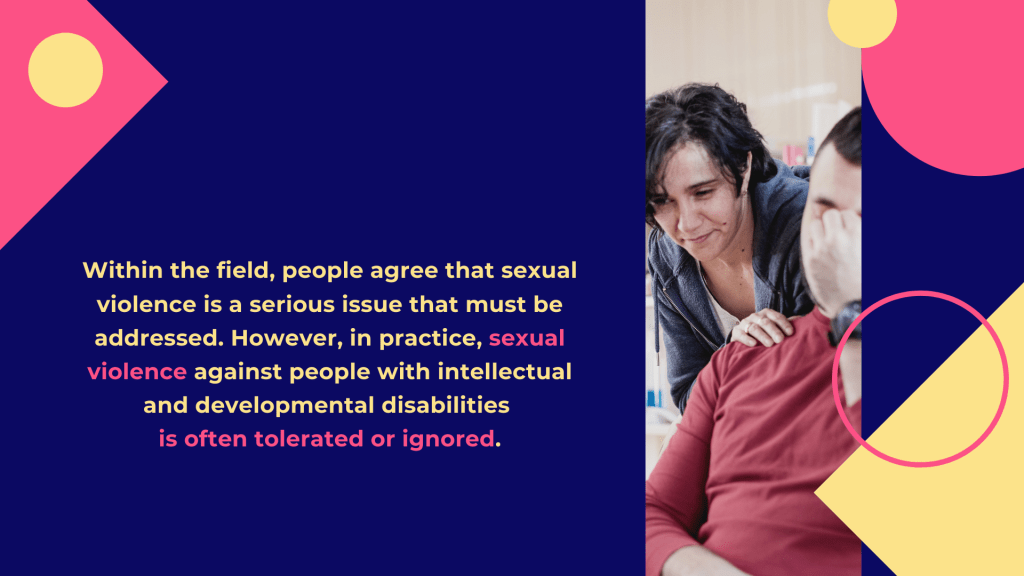
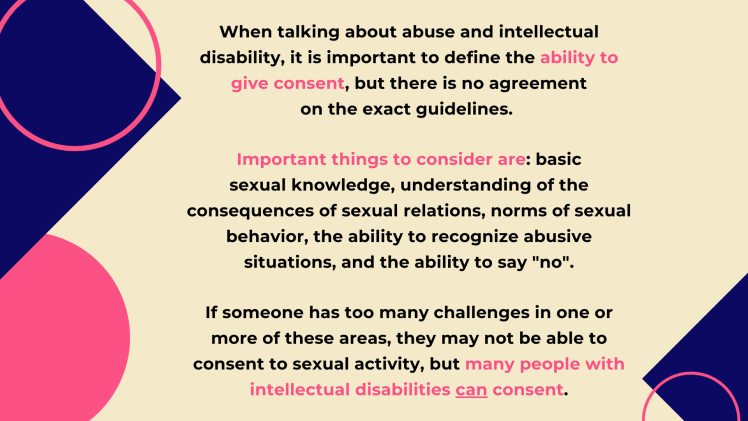
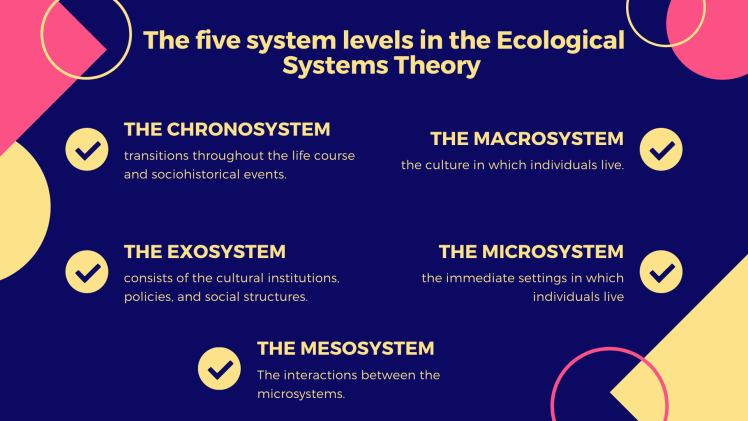
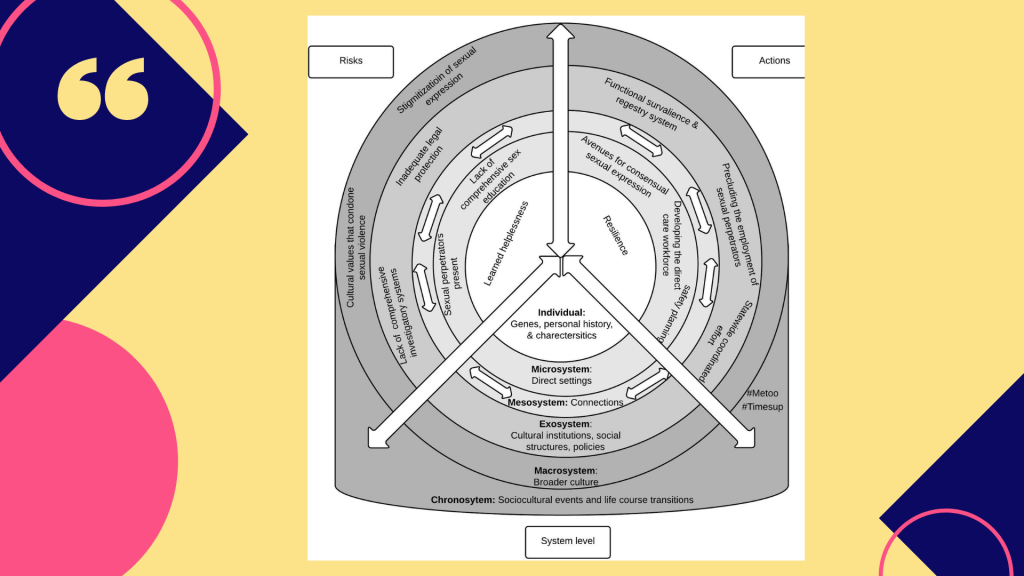
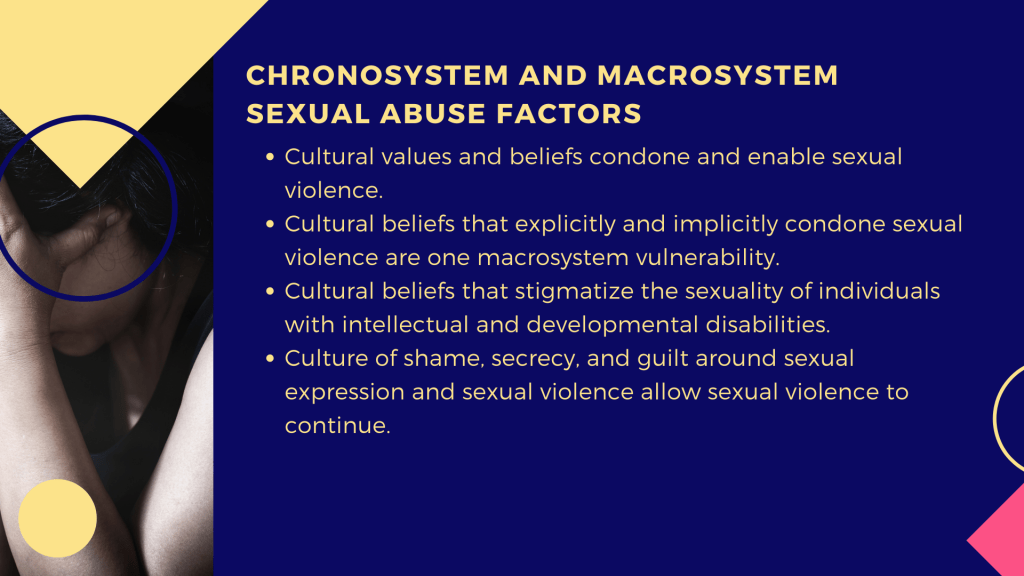
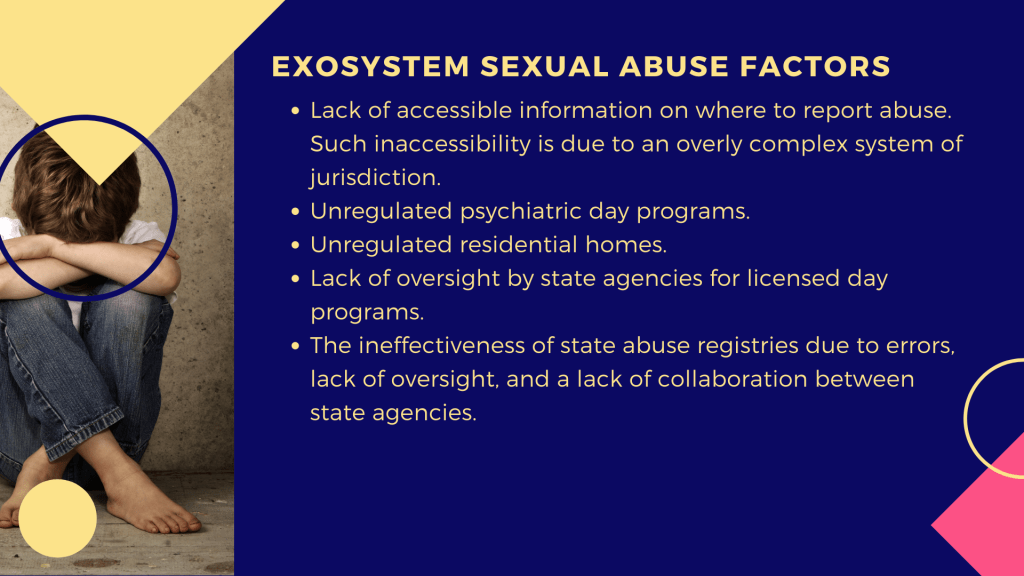
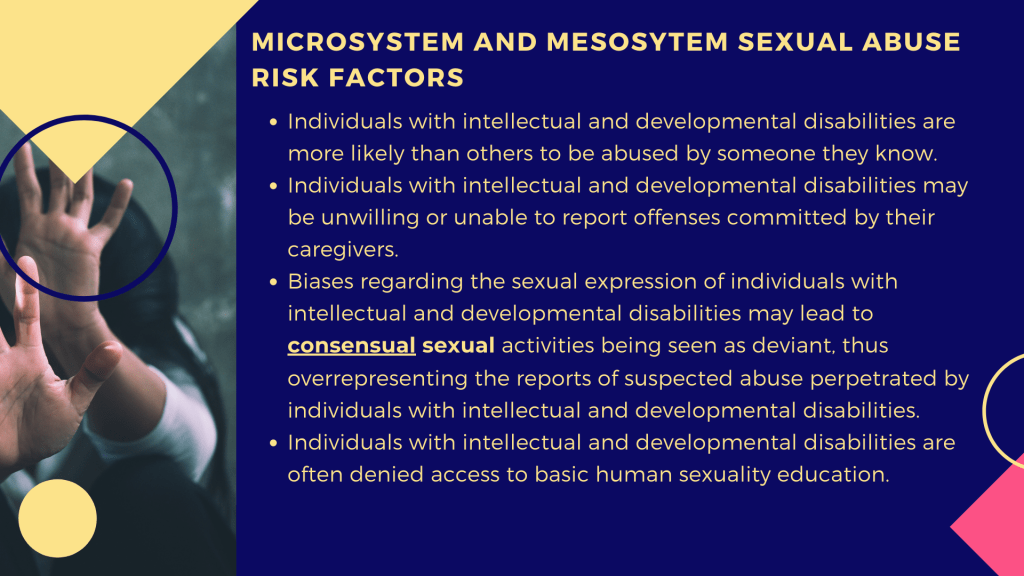
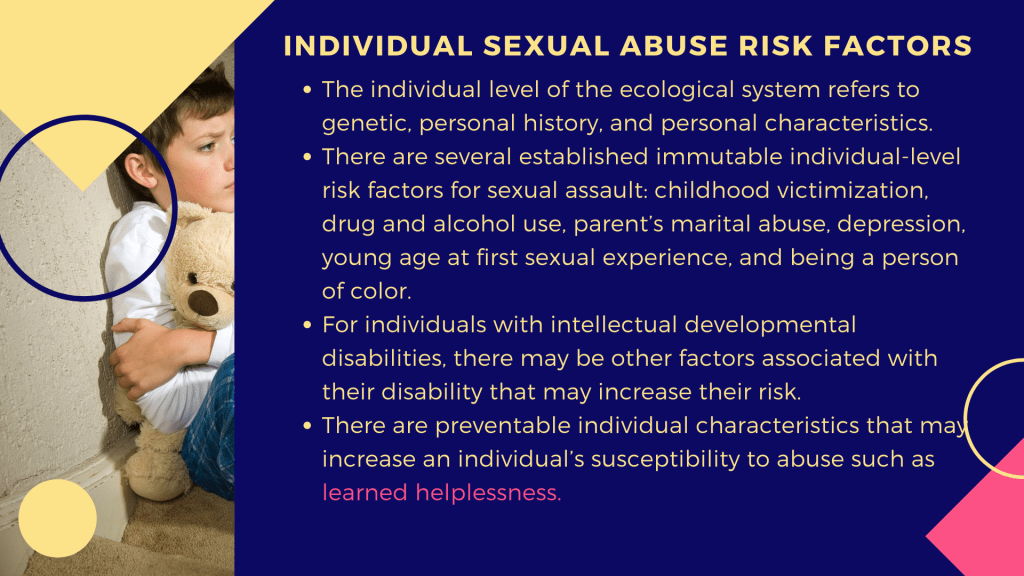
Understanding the Risk of Sexual Abuse for Adults with Intellectual and Developmental Disabilities from an Ecological Framework
Curtiss, S. L., & Kammes, R. (2020). Understanding the Risk of Sexual Abuse for Adults With Intellectual and Developmental Disabilities from an Ecological Framework. Journal of Policy and Practice in Intellectual Disabilities, 17(1), 13-20. https://doi.org/10.1111/jppi.12318
A preprint of the whole article is free, and the summary is below.

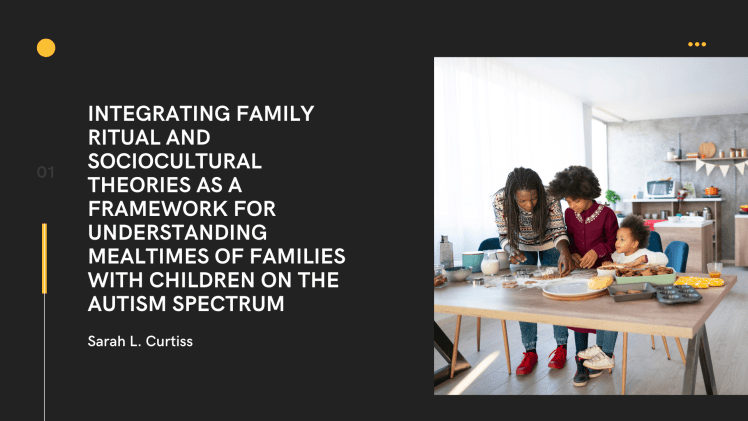
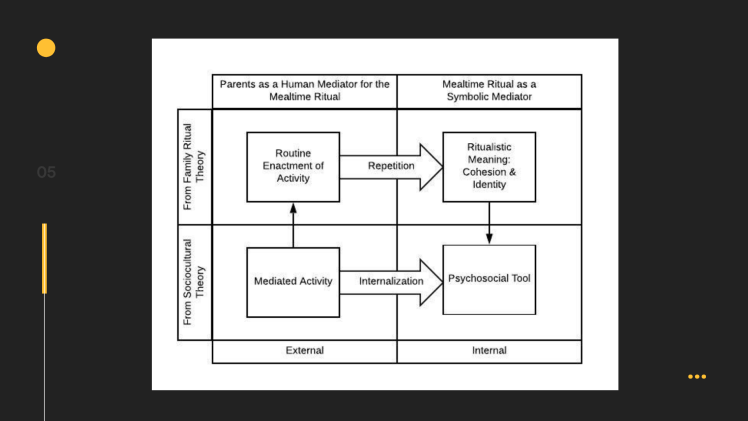
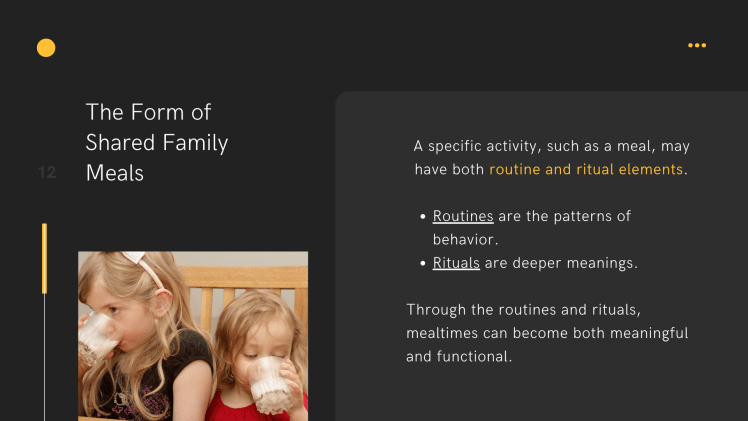
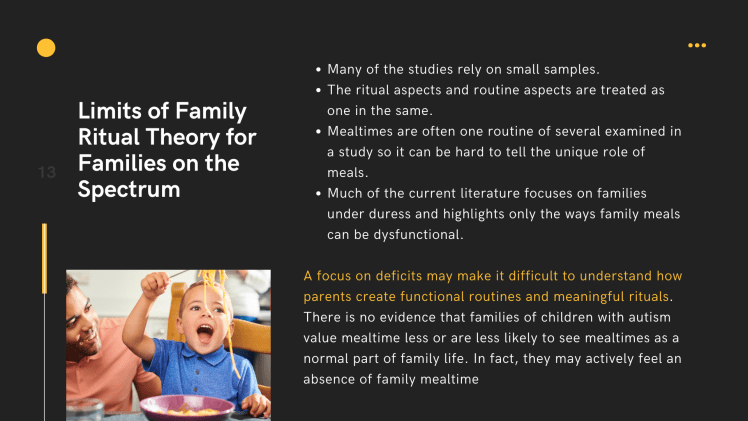
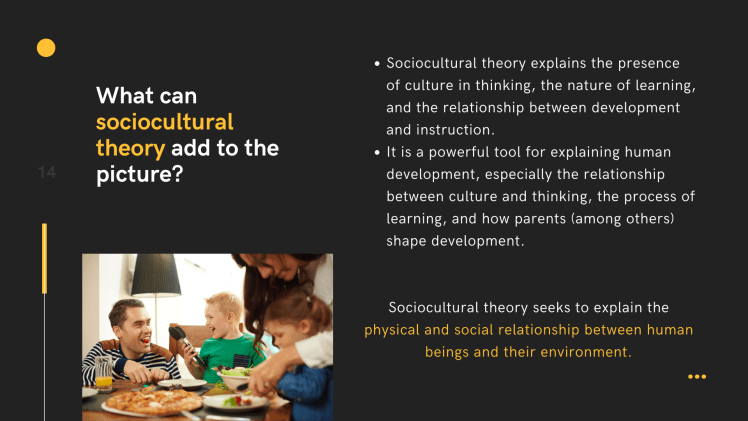
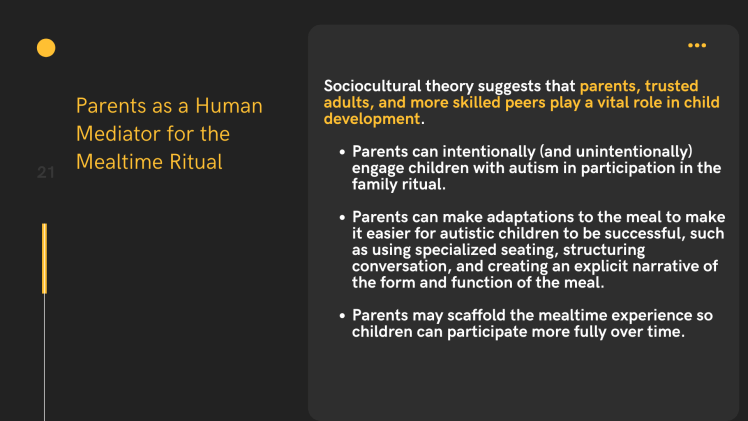
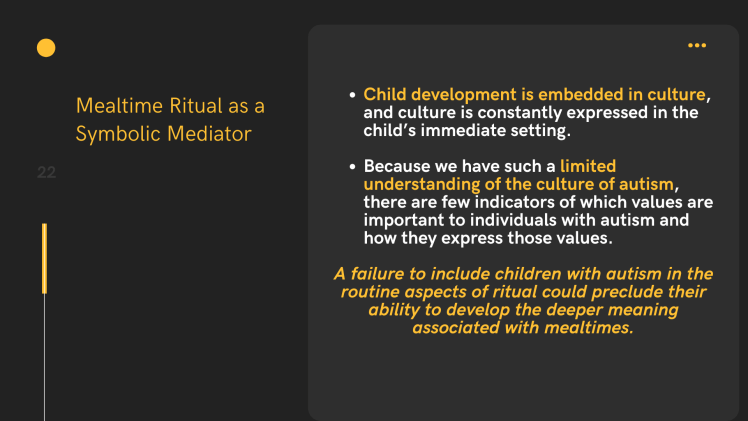
Integrating Family Ritual and Sociocultural Theories as a Framework for Understanding Mealtimes of Families With Children on the Autism Spectrum
Curtiss, S. L. (2018). Integrating family ritual and sociocultural theories as a framework for understanding mealtimes of families with children on the autism spectrum. Journal of Family Theory & Review, 10(4), 749-764. https://doi.org/10.1111/jftr.12298
A preprint of the whole article is free, and the summary is below.
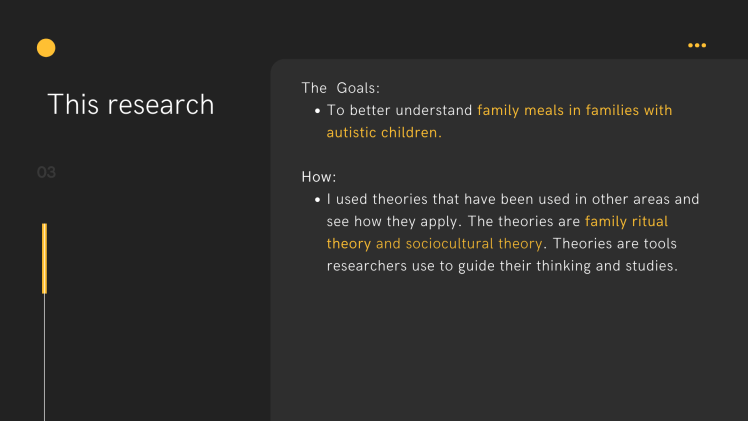




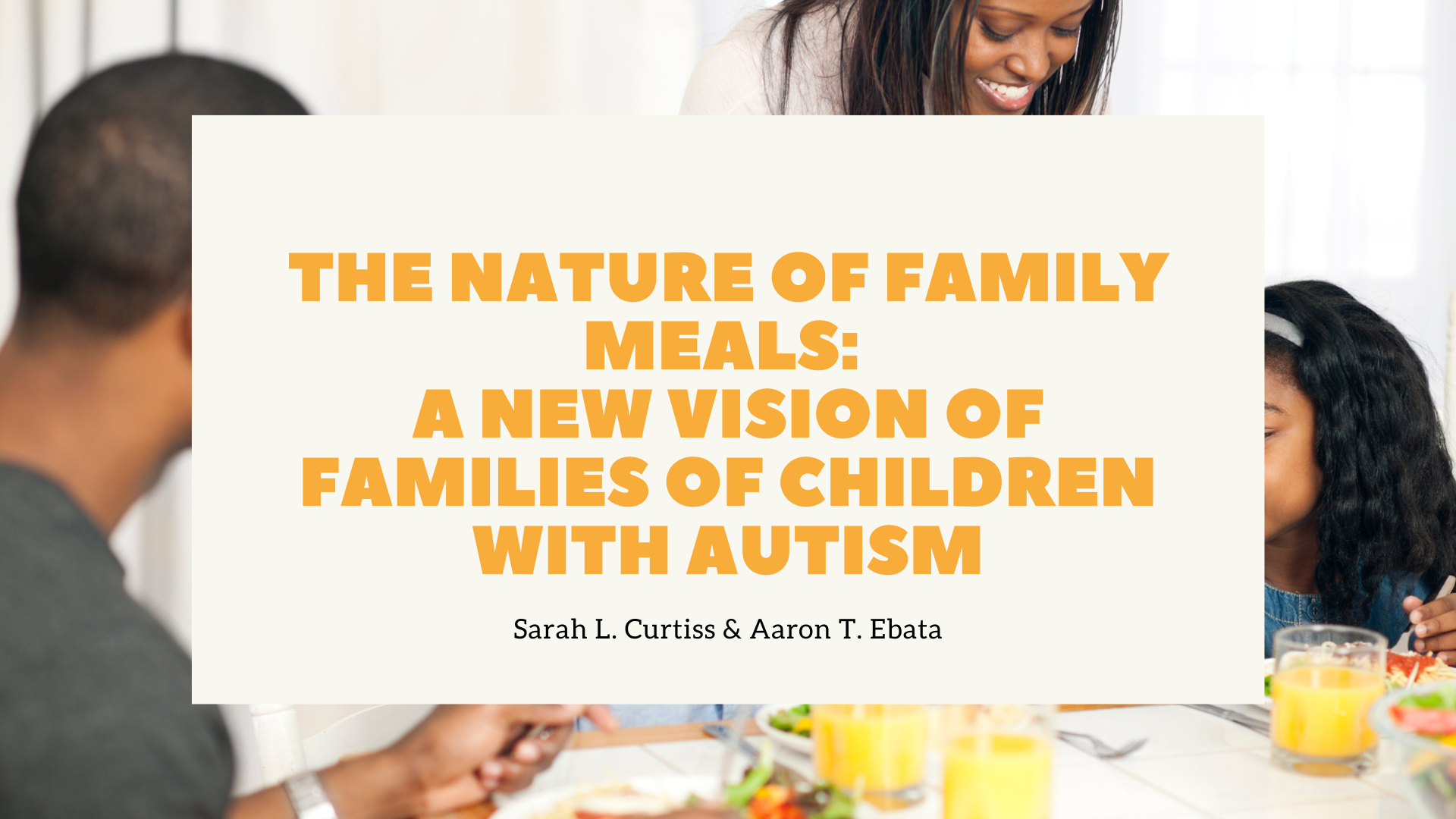
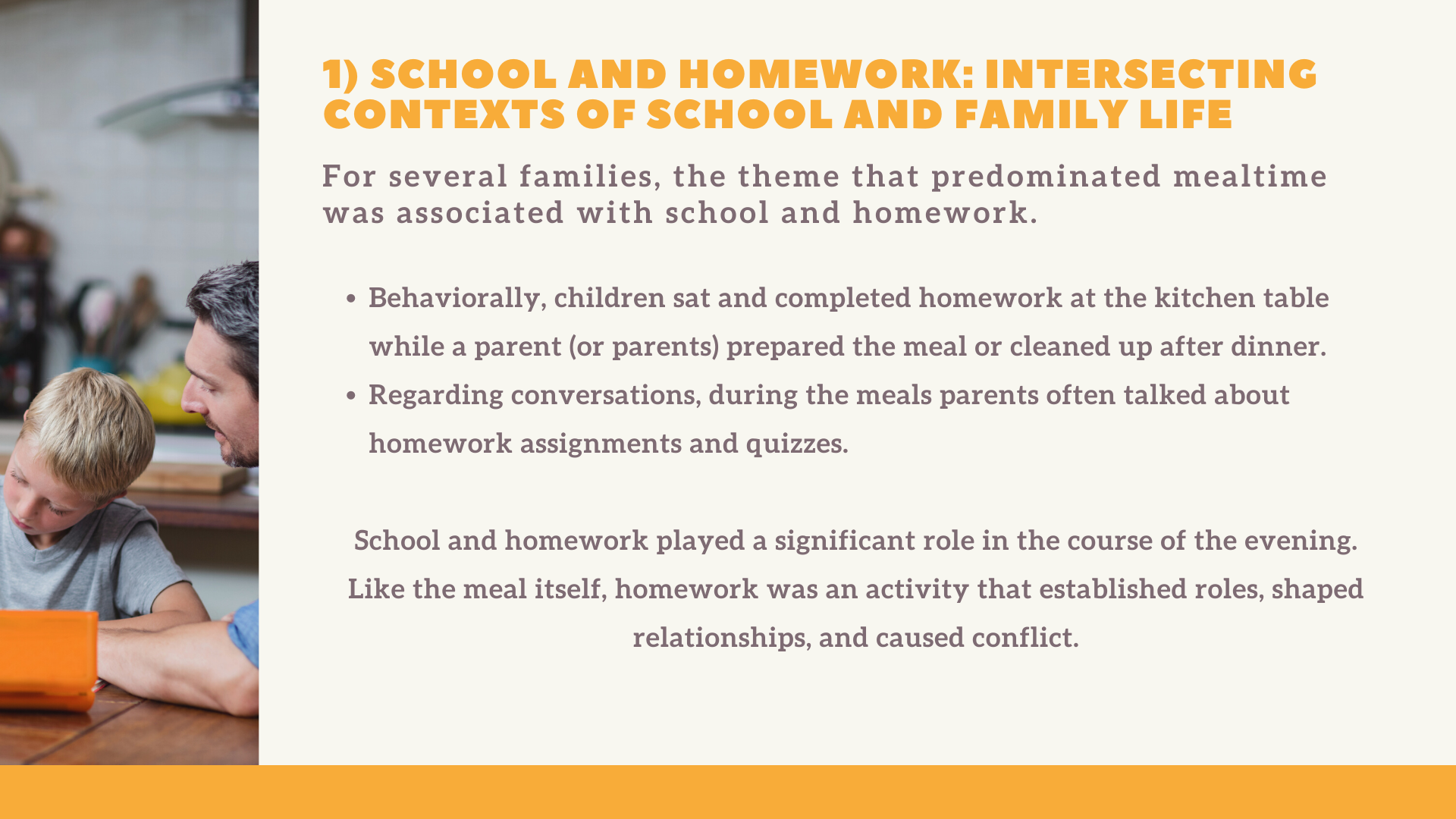
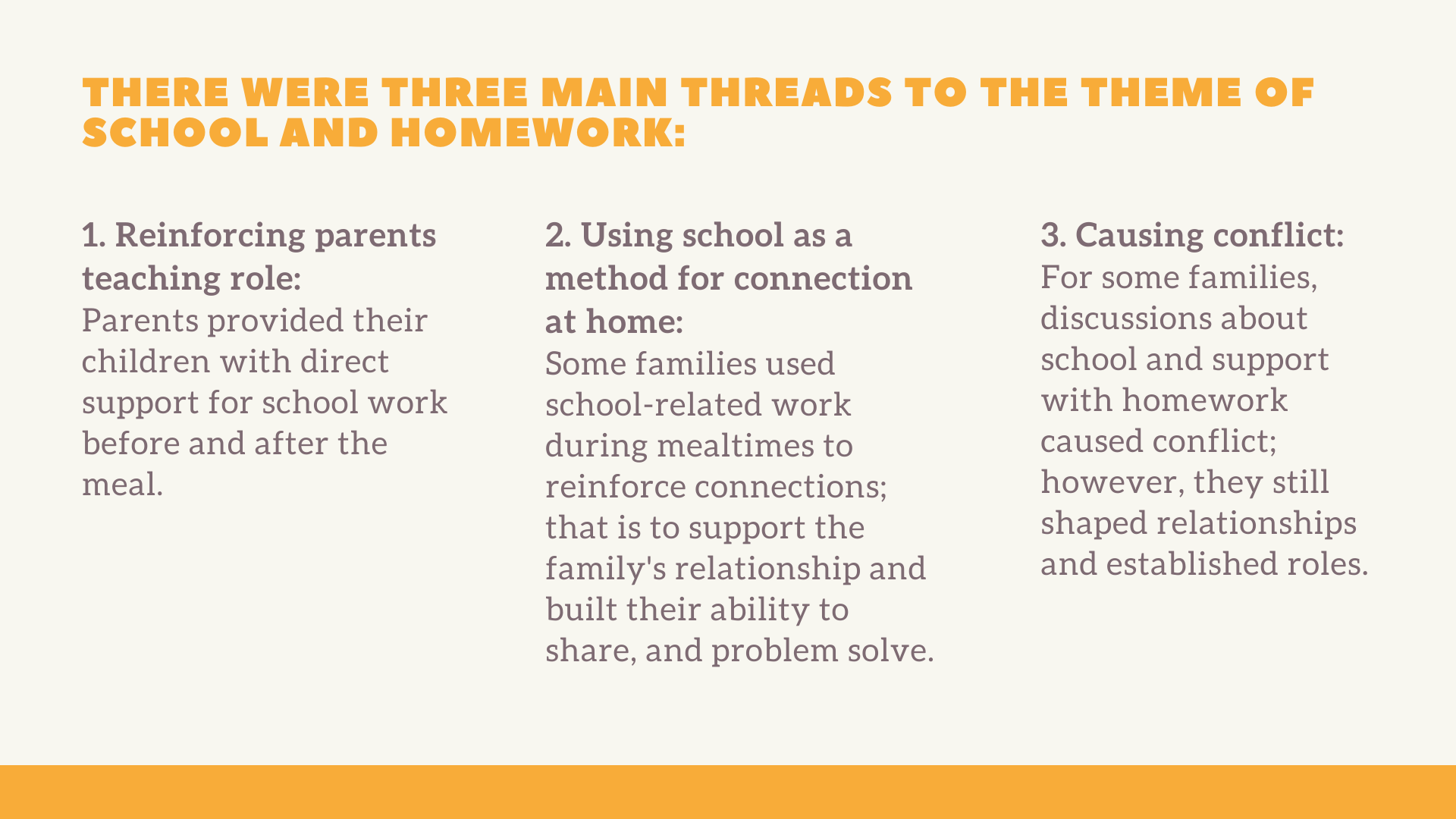
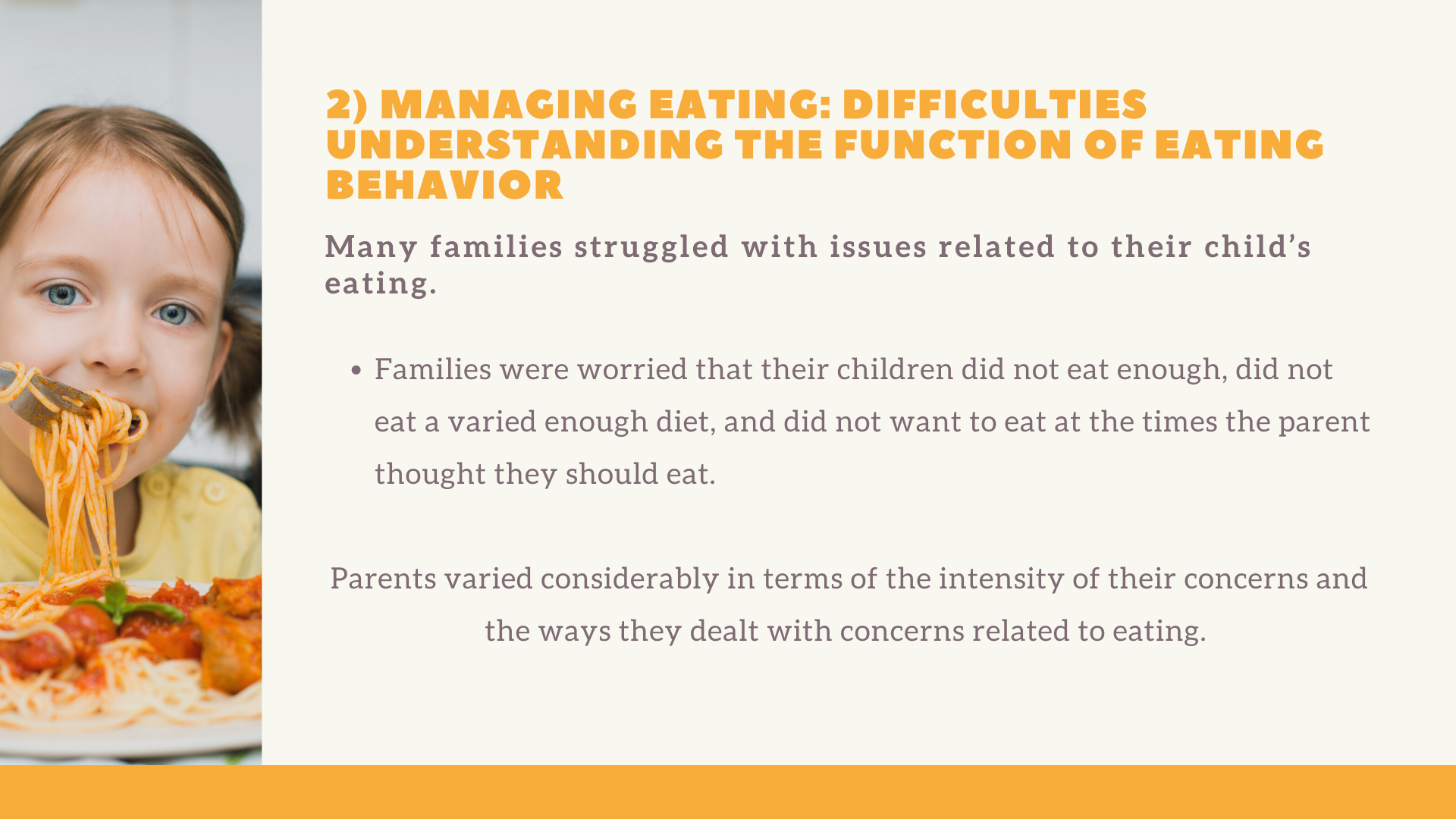
The Nature of Family Meals: A New Vision of Families of Children with Autism
Curtiss, S.L. & Ebata, A.T. (2019). The nature of family meals: A new vision of families of children with autism. Journal of Autism and Developmental Disorders, 49(2), 441-452. https://doi.org/10.1007/s10803-018-3720-9
A preprint of the whole article is free, and the summary is below.



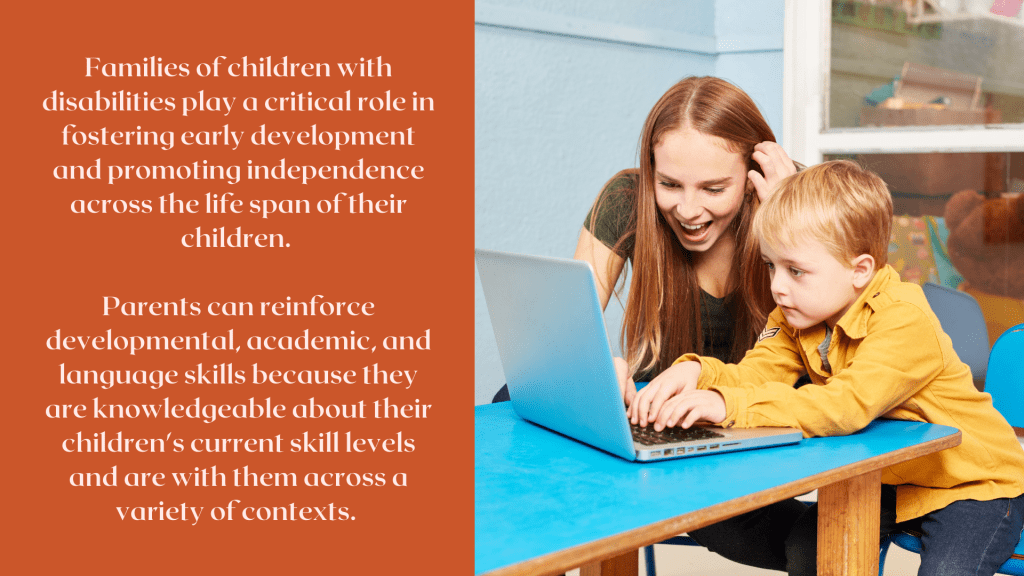
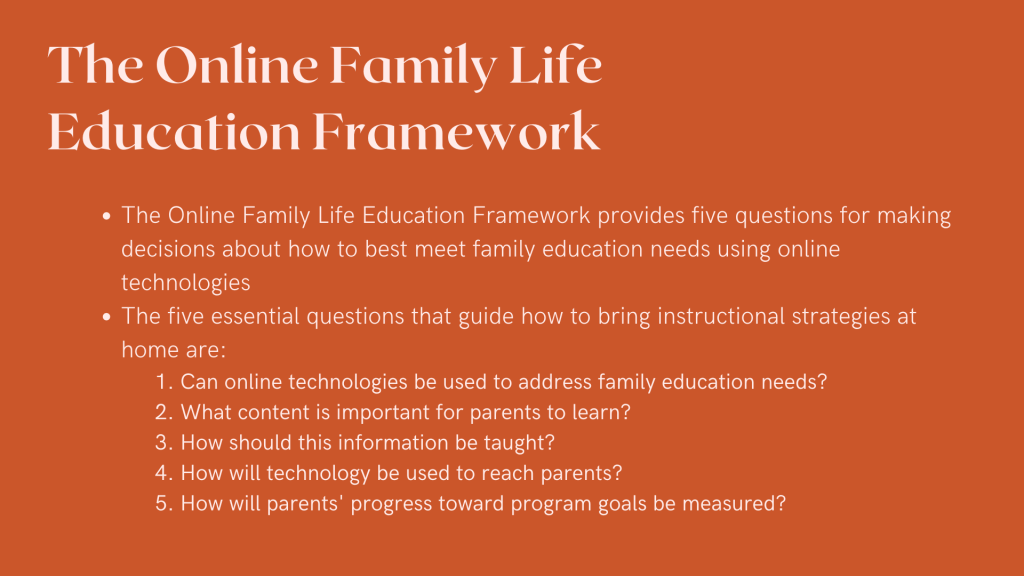
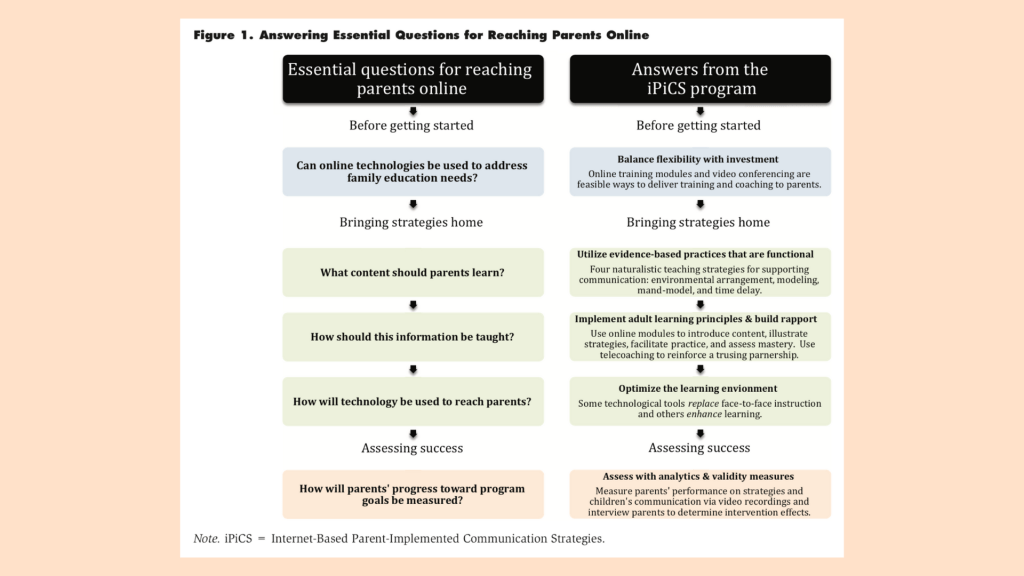
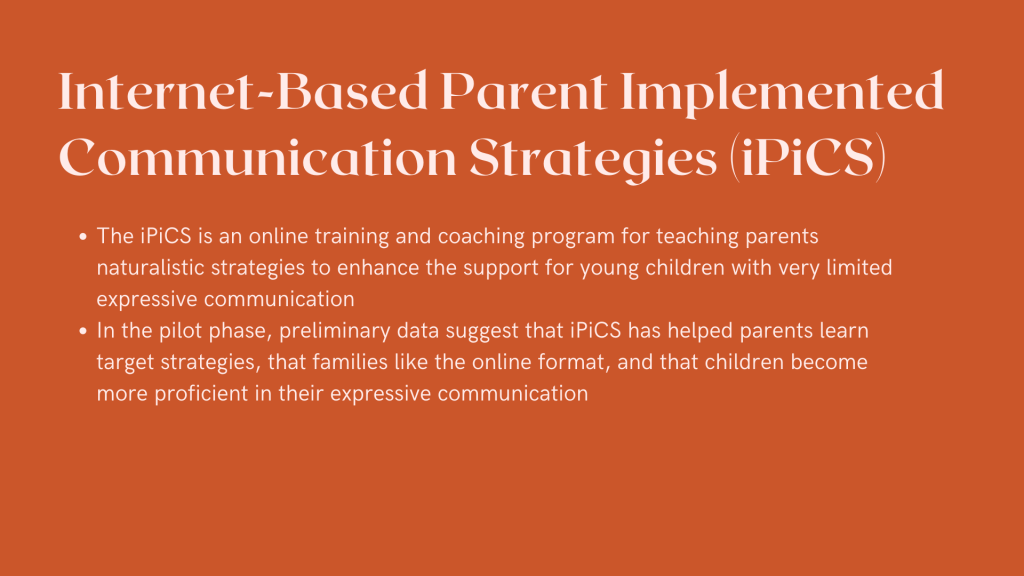
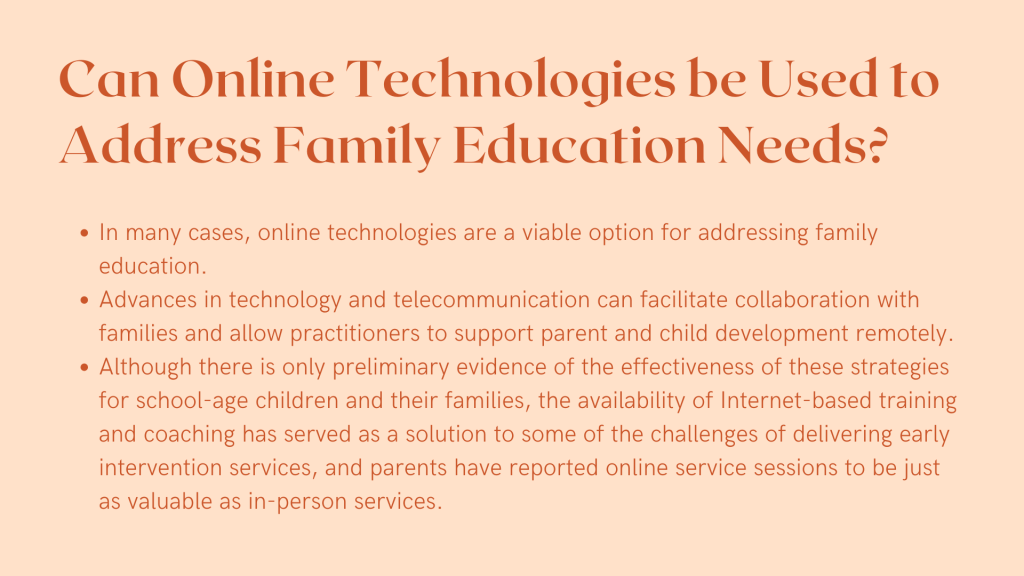
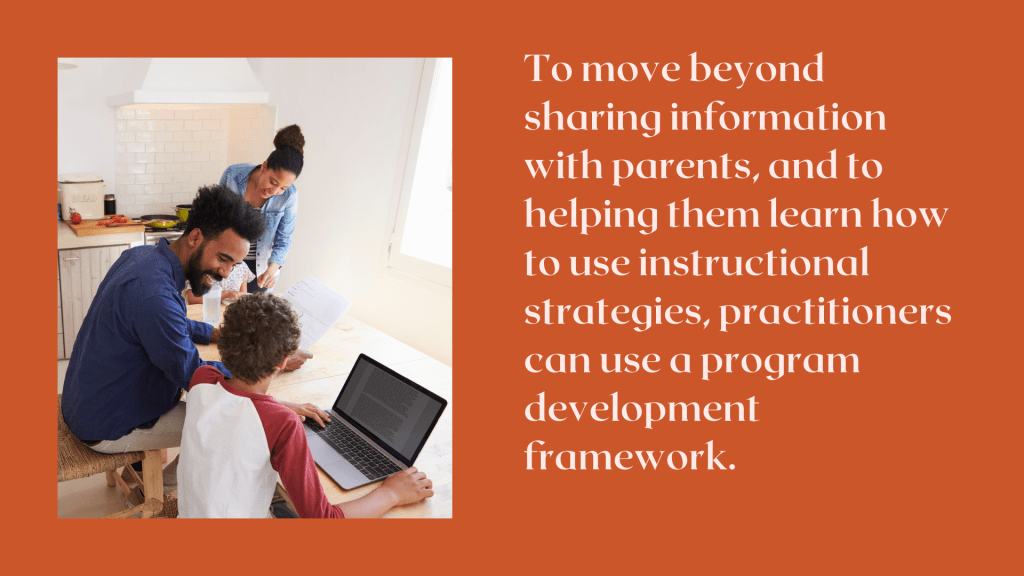
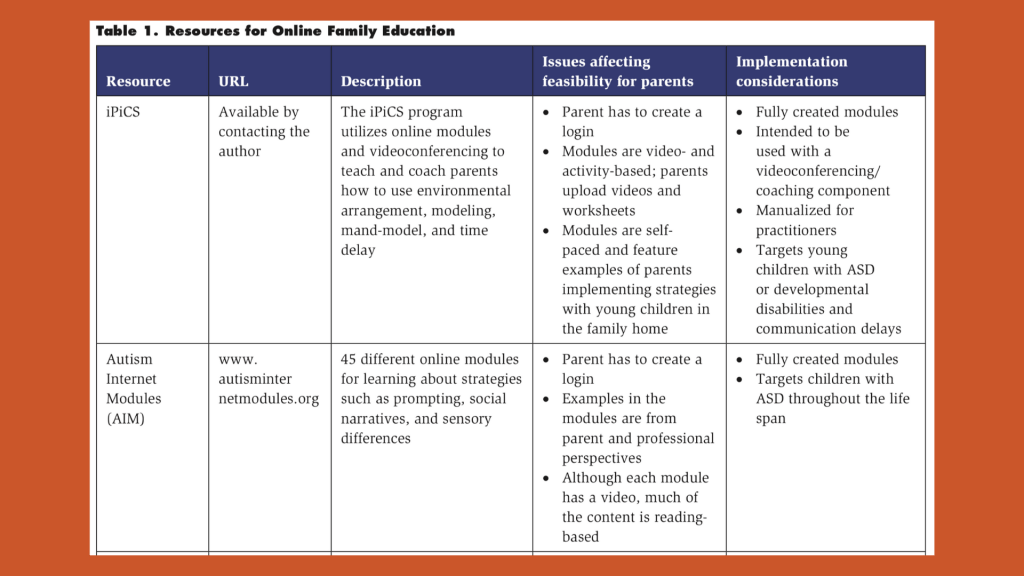
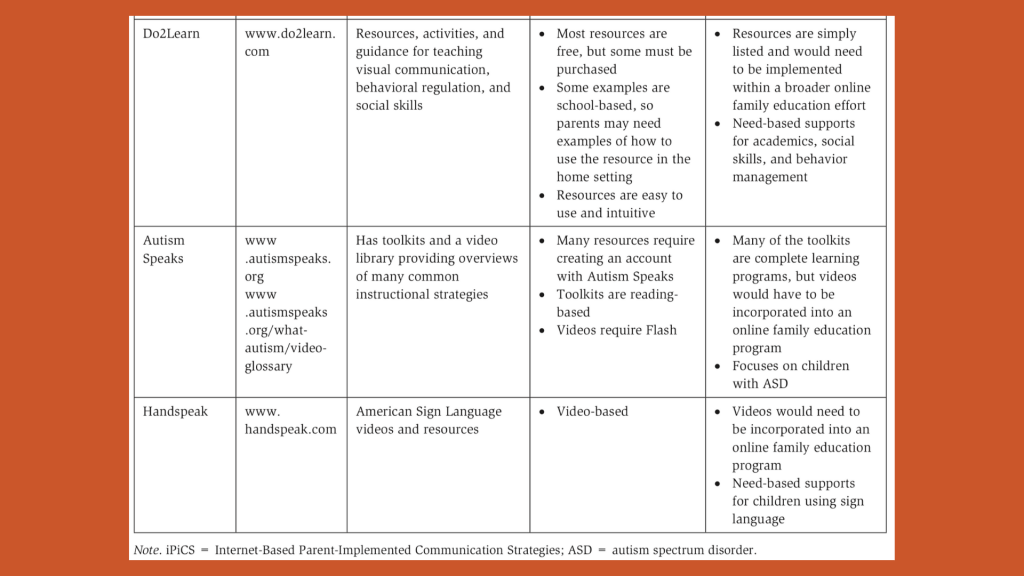
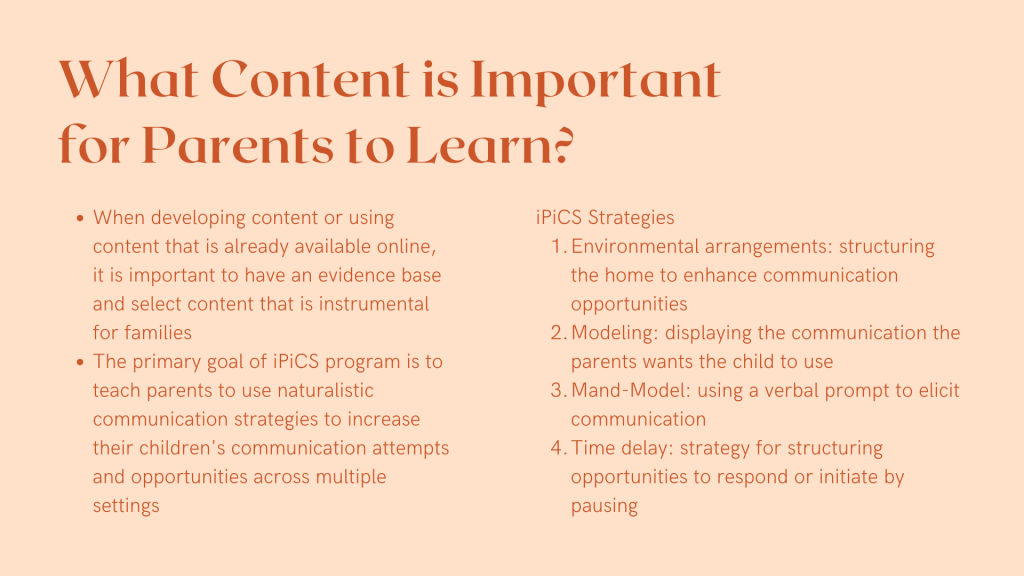
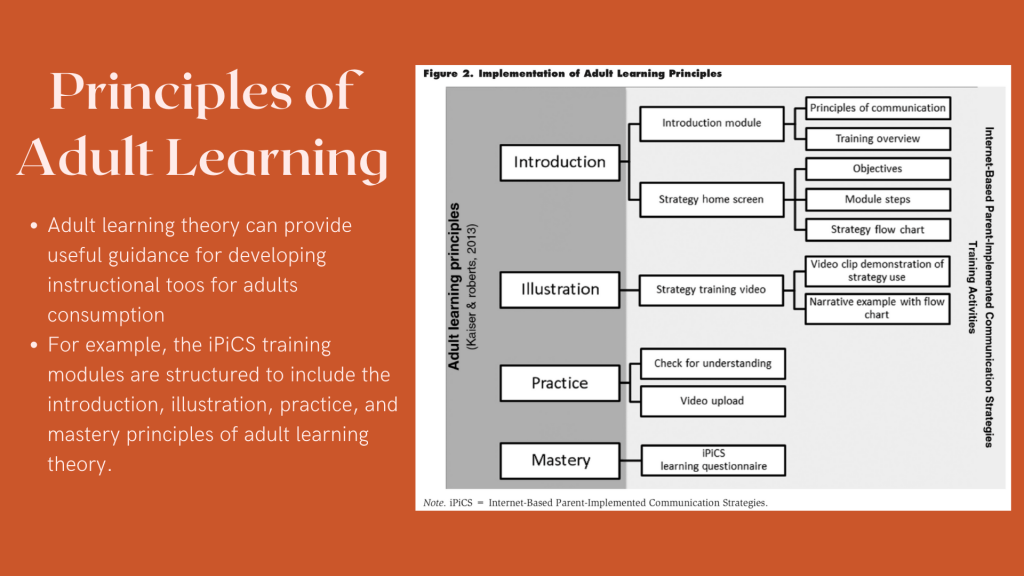
Bringing Instructional Strategies Home: Reaching Families Online
Curtiss, S.L., Pearson, J.N., Akamoglu, Y., Wolowiet-Fisher, K., Snodgrass, M.R., Meyer, L.E., Meadan, H., & Halle, J.W. (2016). Bringing instructional strategies home: Researching families online. Teaching Exceptional Children, 48(3), 159 – 167. https://doi.org/10.1177/0040059915605816
Contact us for access to this article, or check out the summary below.


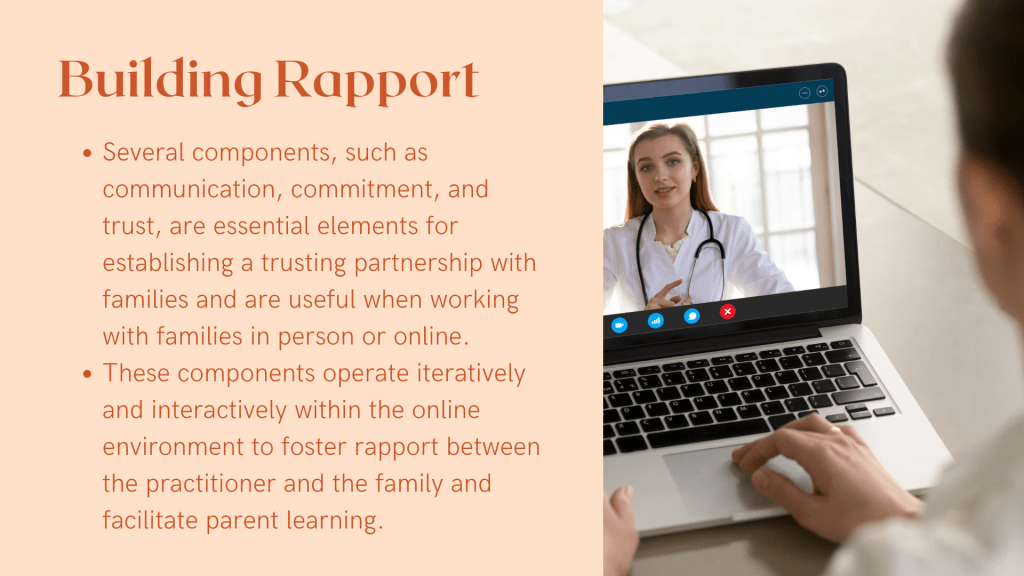

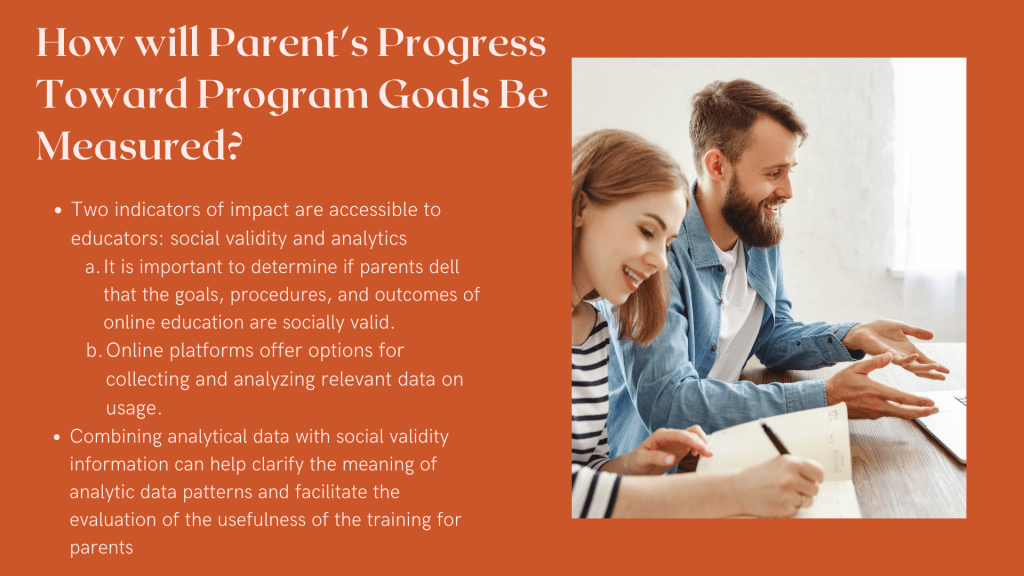


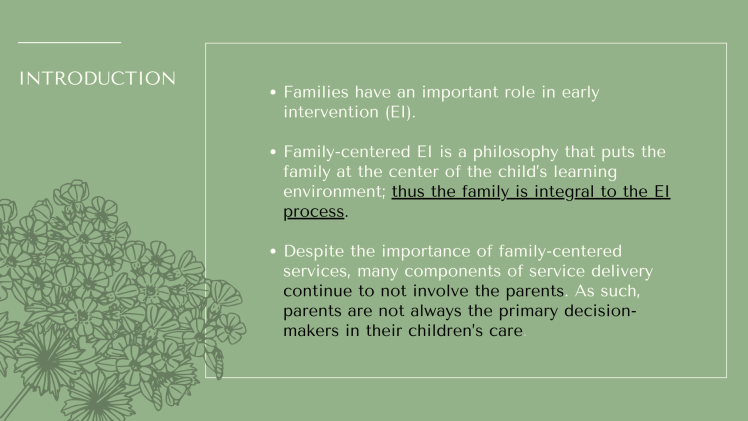
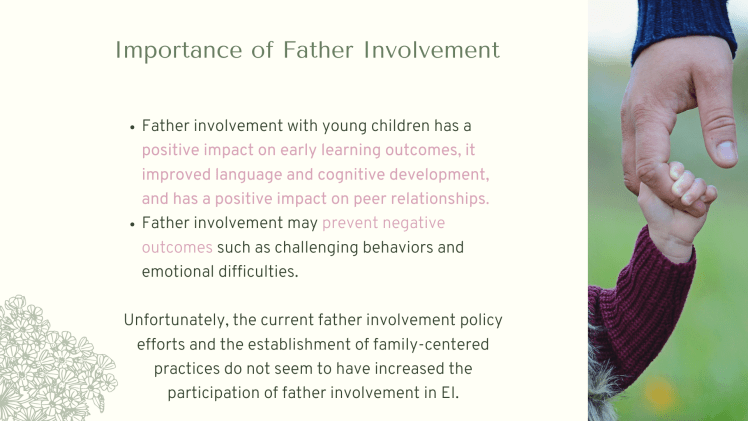
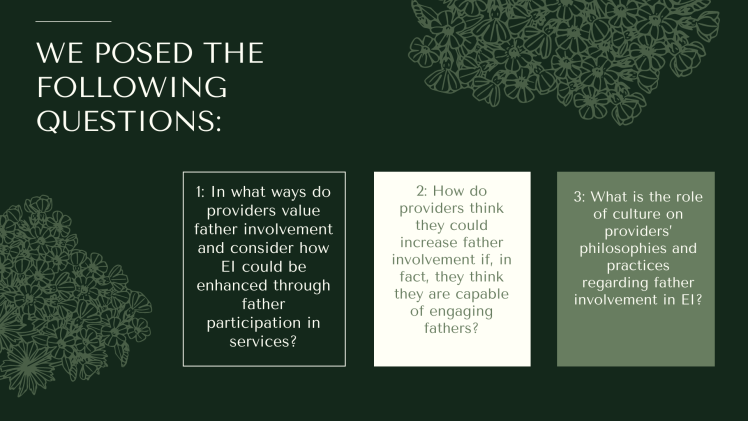
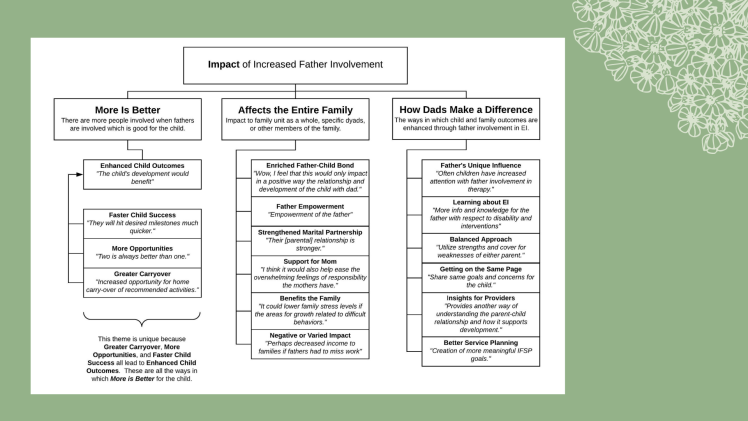
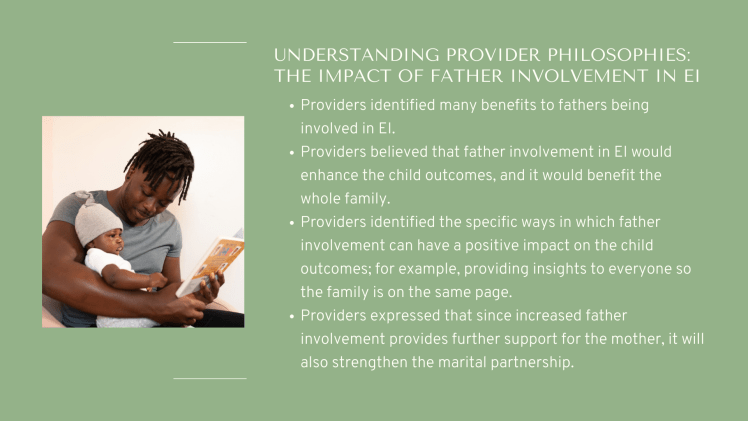
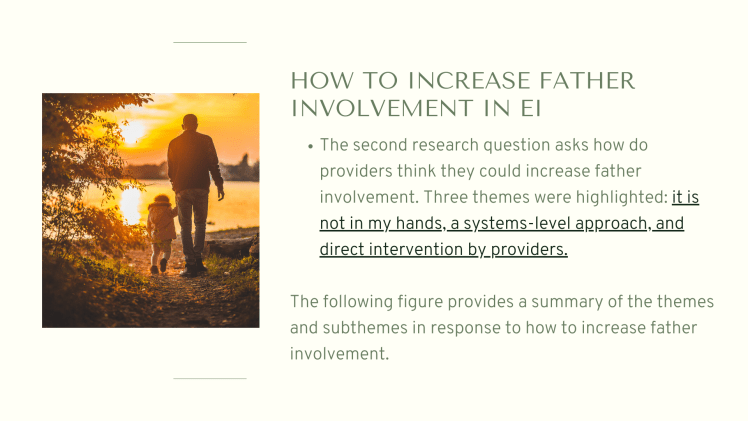
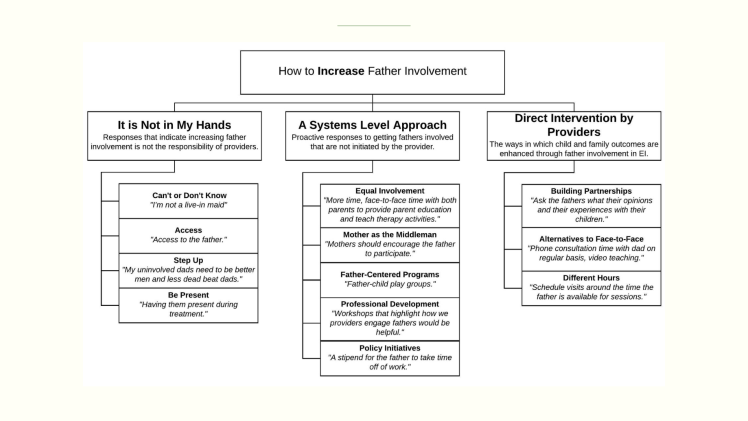
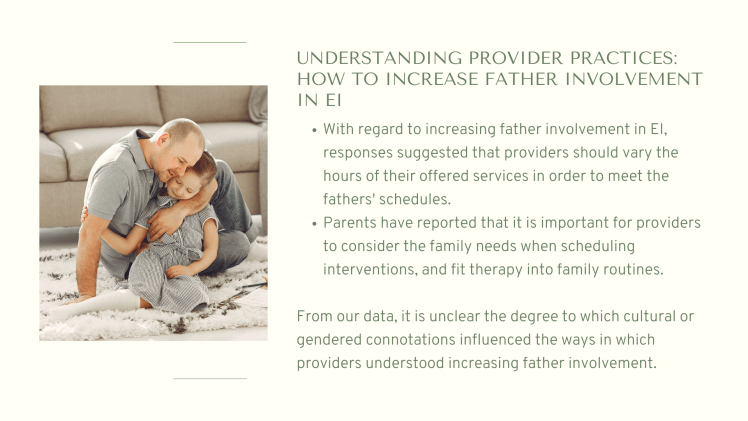
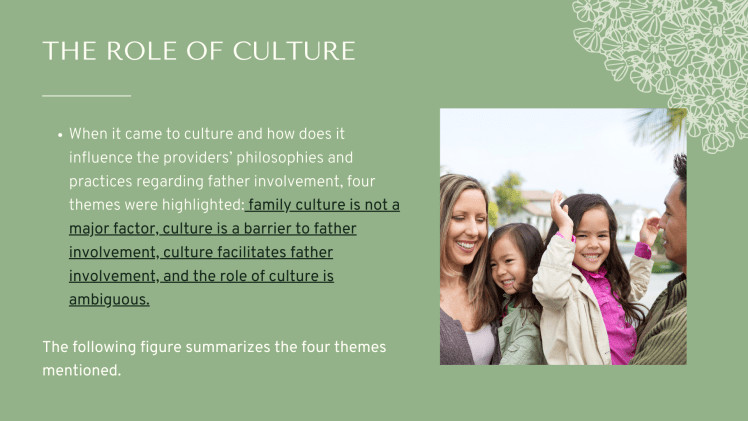
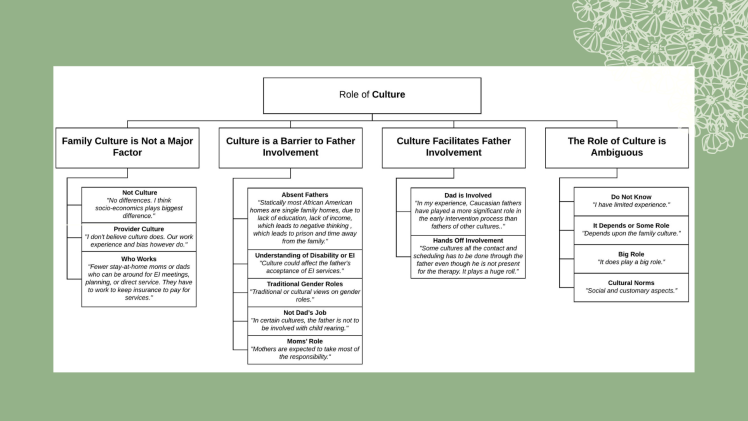
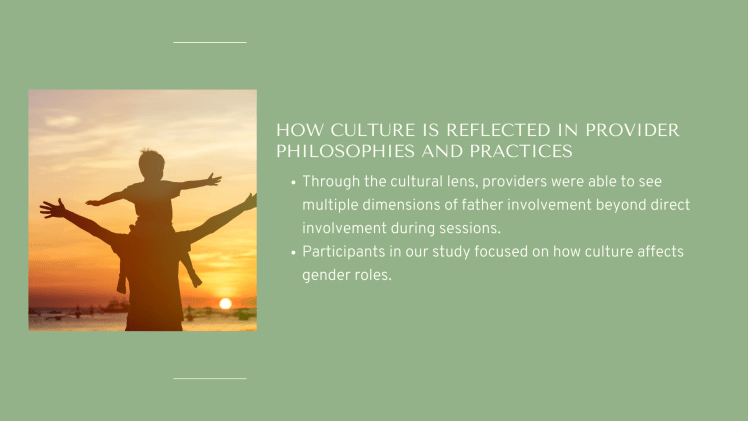
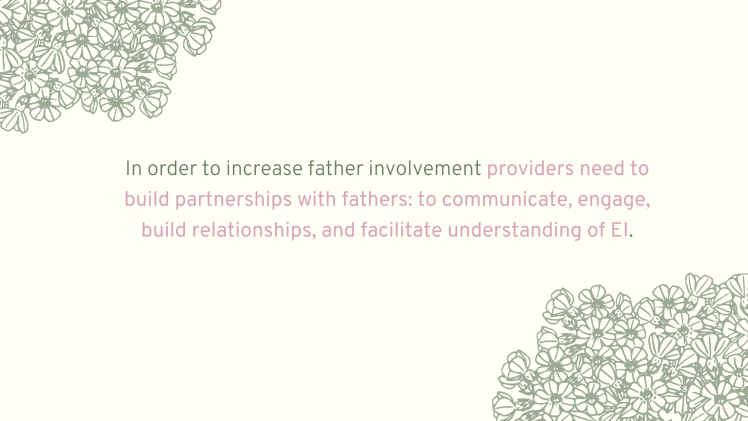
Understanding Provider Attitudes Regarding Father Involvement in Early Intervention
Curtiss, S.L., McBride, B.A., Uchima, K.,Laxman, D. J., Santos, R. M., Weglarz-Ward, J., & Kern, J. (2021). Understanding provider perspectives: Father involvement in early intervention. Topics in Early Childhood Special Education, 41(2), 147–159. https://doi.org/10.1177/0271121419844829
A preprint of the whole article is free, and the summary is below.

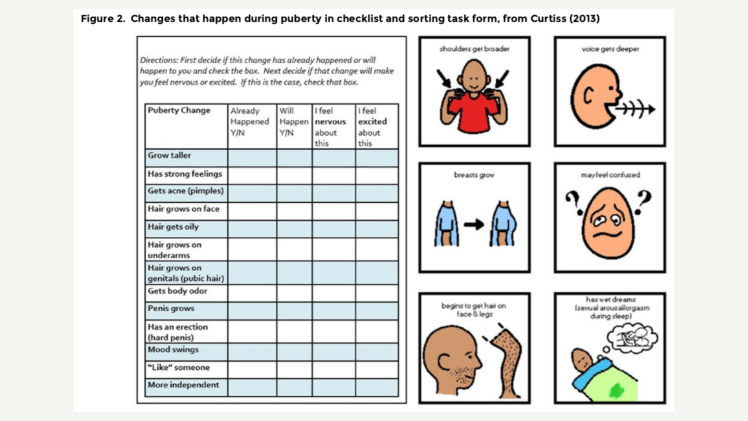
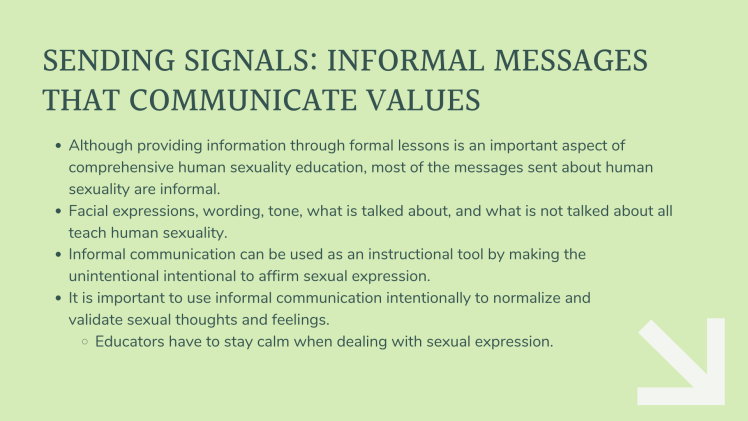
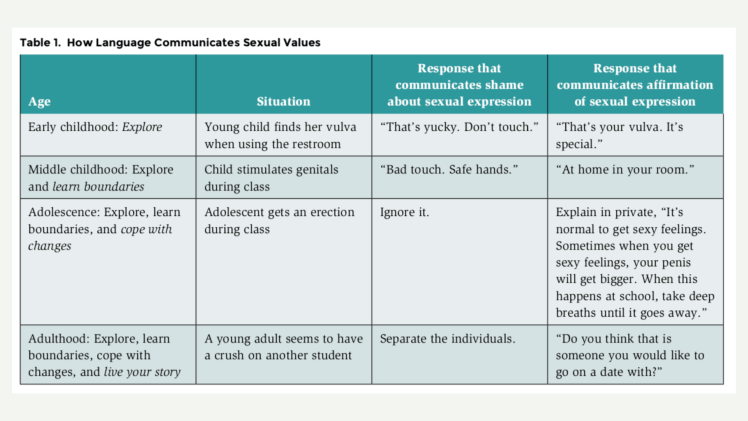
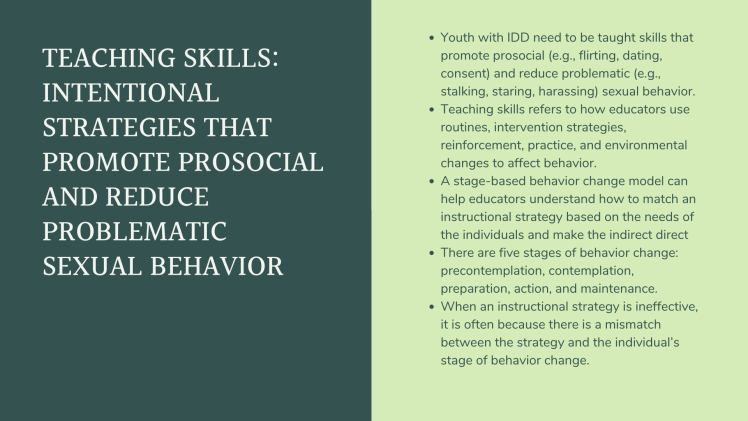
The Birds and the Bees: Teaching Comprehensive Human Sexuality Education
Curtiss, S.L. (2018). The birds and the bees: Teaching comprehensive human sexuality education. Teaching Exceptional Children, 51(2), 134-143. https://doi.org/10.1177/0040059918794029
A preprint of the whole article is free, and the summary is below.
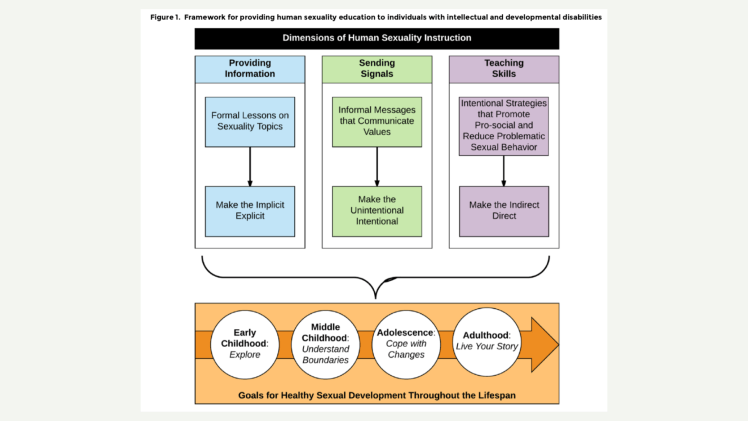
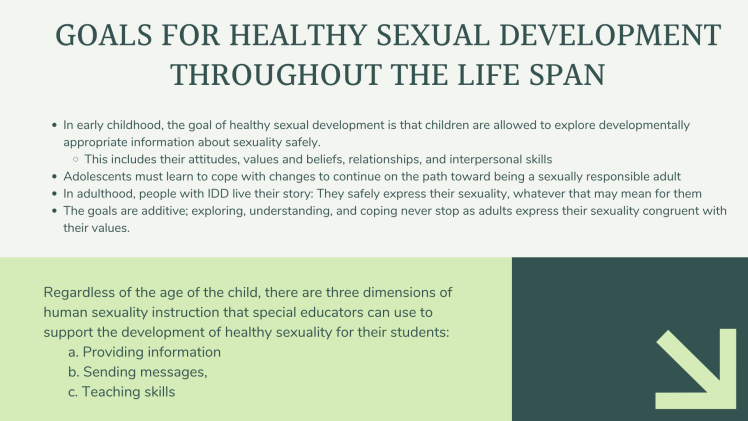
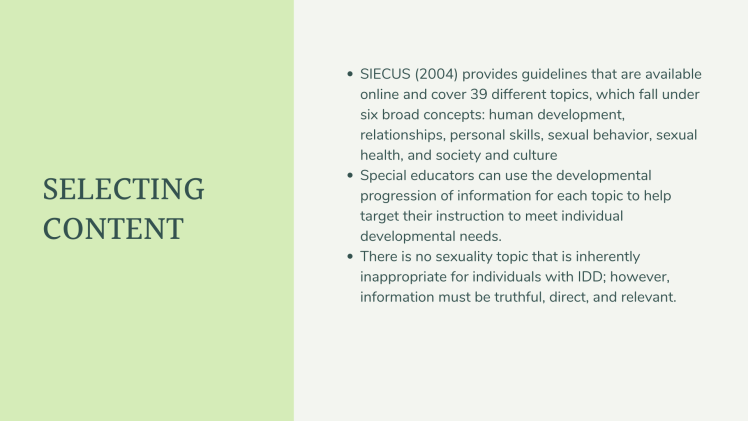
![The language used to express sexual information is often vague and relies on implicit deductions... [this] makes learning about human sexuality difficult for all students but especially those with IDD.](https://autismincontext.org/wp-content/uploads/2021/12/8-2.png?w=750)
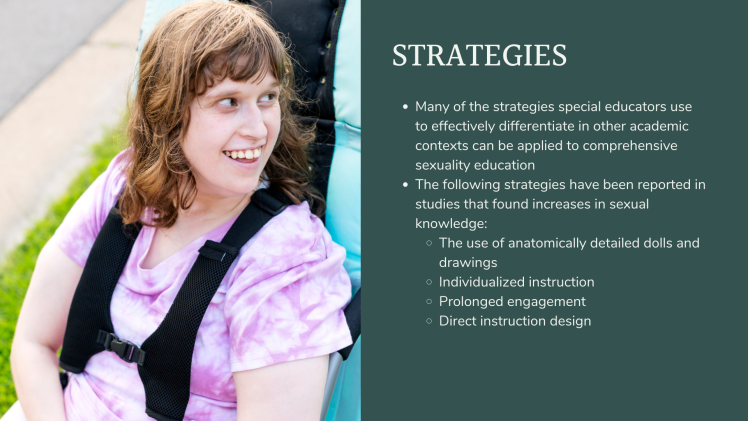
Building Capacity to Deliver Sex Education to Individuals with Autism
Curtiss, S.L., & Ebata, A.T. (2016). Building capacity to deliver sex education to individuals with autism. Sexuality and Disability, 34, 27-47. https://doi.org/10.1007/s11195-016-9429-9
A preprint of the whole article is available for free.
 Neurodiversity in Context